Psychology says children who create secret hiding places at home may be doing more than just playing |

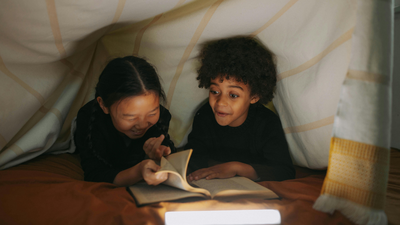
A blanket over two chairs. A space behind the sofa. A corner under the dining table. A cardboard box turned into a “house” that nobody else is allowed to enter. For some children, an ordinary corner of the house can quickly become a secret place. They may tell parents, “You can’t come in,” give the place a name, take toys inside or simply sit there alone for a while. To adults, it can look like another game. But research on children’s secret hiding places suggests these spaces can also give children a sense of ownership, privacy, safety and control over a small part of their environment.
Why do children create secret hiding places?
22 Sept 2026 | 15:04
What pregnancy purchase turned out to be genuinely useful?
Children do not always need a large or elaborate space. A blanket, bedsheet, cardboard box or an unused corner can be enough. A 2016 study looked at how preschool children created their own spaces. The researchers found that children preferred flexible materials such as blankets, bedsheets and cardboard tubes and often worked together to build their spaces. The resulting spaces could provide a form of refuge for children. This suggests that a hiding place can be more than somewhere to play. It can become a small area that feels like it belongs to the child.
“This is my place”
Ownership is an important part of the behaviour. In an earlier study of 100 children aged three to five in daycare settings, 58 said they had a special place that they considered their own. These included spaces such as a cubby, a chair or a hiding place under a playhouse. Some children also identified a special place at home. Children may not have much control over where they live, when they eat, when they sleep or what adults ask them to do. A small space that they can arrange themselves gives them at least some control over their surroundings. That does not mean every child who hides under a table is asking for more independence. But creating a space of their own can give children an opportunity to decide who enters, what happens there and what the space means to them.
The hiding place can become emotionally important
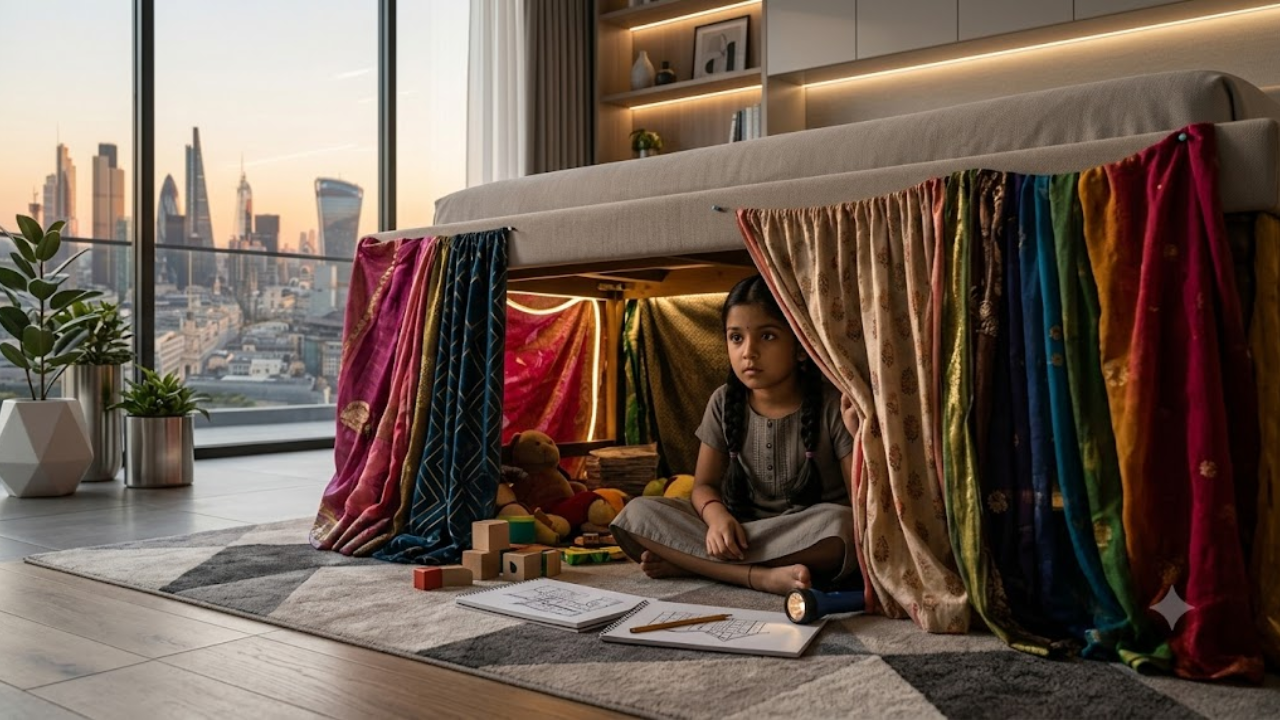
AI representation/Gemini
A particularly interesting study looked directly at 17 preschool children aged three to five and their experiences with secret hiding places. In the results, children described spaces that were sometimes kept off limits to other people. Researchers found that these places could have individual, relational and collaborative purposes. Children also connected secret spaces with excitement, imagination and intimacy. In other words, “secret” did not necessarily mean something bad was happening.
Privacy can be part of growing independence
As children grow, wanting some control over what they share and who has access to their personal space becomes increasingly important. Research on children’s privacy suggests that children actively create territories within shared environments rather than simply accepting the spaces adults provide for them. A special corner can therefore become one of the early ways children experience having a boundary of their own. This is different from encouraging children to keep harmful secrets. A child having a secret playhouse under a table is very different from a child being told to hide something that makes them uncomfortable or afraid. Parents can respect a child’s private play space while still making it clear that unsafe secrets should always be shared with a trusted adult.
What happens inside the secret space matters
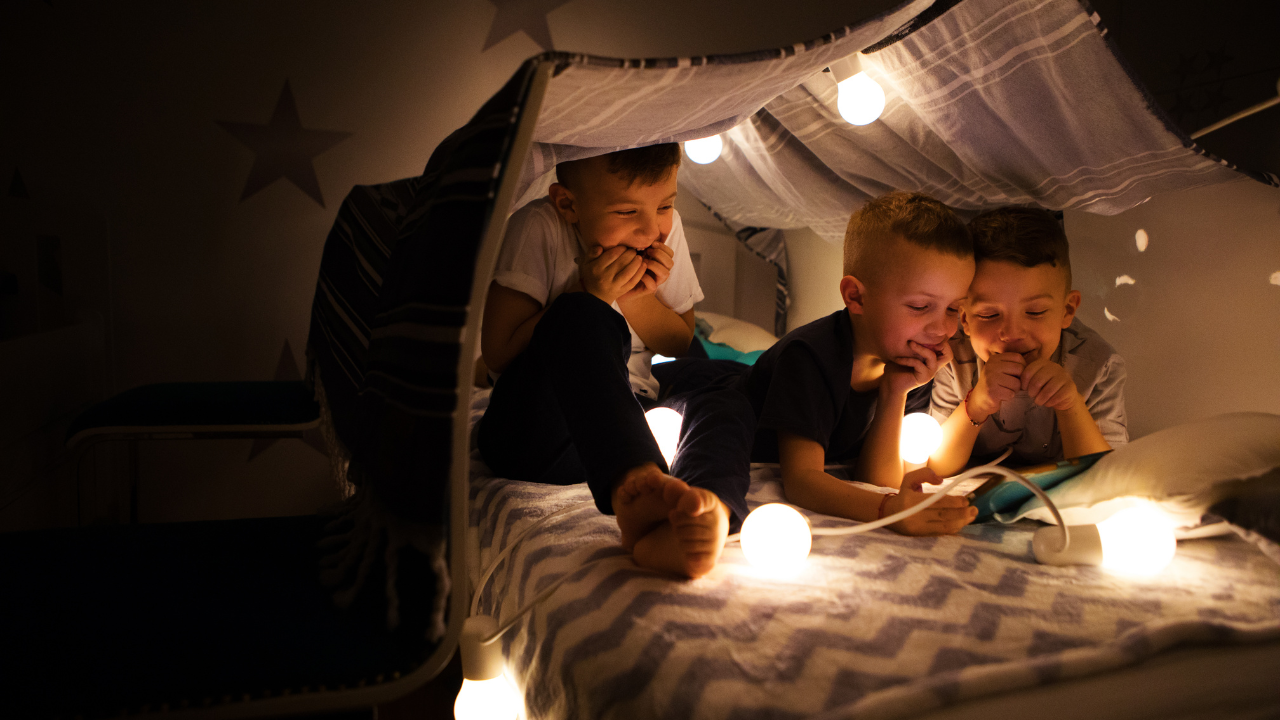
Photo: Canva
The space itself may tell parents very little. What the child does there can be more informative. Some children may take books, dolls or stuffed toys inside and create elaborate games. Others may use the space to draw, read or simply lie down. Some may invite one particular friend or sibling but not adults. A 2023 research on children’s secret hiding places found that children can develop emotional connections with these spaces through the activities they carry out there. The researchers noted that children sometimes described hiding places as special or favourite places and that some children associated them with comfort when they were sad or upset.
Should parents leave children alone?
Usually, there is no need to immediately dismantle a harmless hiding place simply because the child wants adults to stay out. Parents can say, “Okay, this is your space. I’ll knock before I come in.” That gives the child a boundary while keeping the parent connected. It is also useful to ask simple questions rather than interrogate the child: “What do you like doing in here?” or “What makes this place special?” If the child wants to show the space, let them. If they want a little privacy during play, that can also be respected. At the same time, parents should pay attention if hiding becomes a sudden and extreme change accompanied by persistent sadness, fear, withdrawal, avoidance of family members, school refusal or signs that the child is trying to escape a situation that feels unsafe.