
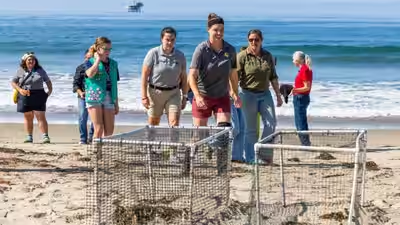
After 40 years without nesting, western snowy plovers have returned to a California beach; a conservation programme has now released 212 birds since 2016 and is using tracking tags to follow their movements

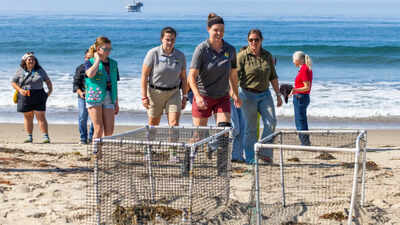
Western snowy plovers have returned to nesting at Coal Oil Point Reserve in Isla Vista, California, after about 40 years without nesting there. The return followed conservation work that included fencing and a docent programme to reduce human disturbance around the birds, Santa Barbara Independent reported. The Santa Barbara Zoo has also been helping the population by rescuing abandoned eggs and chicks, raising them and releasing them back into the wild.Last Tuesday, the zoo released 11 rehabilitated snowy plovers at Coal Oil Point. The birds were released as part of a partnership involving the zoo, UC Santa Barbara and the US Fish and Wildlife Service. The release was the zoo’s final one of the season and took the total number of plovers it has returned to the wild since 2016 to 212.The small grey-and-white shorebirds had been raised at the zoo after their eggs, and sometimes chicks, were rescued from abandoned nests on beaches across the tri-county area. Staff and volunteers watched as the birds left their temporary cages and stepped onto the beach. Some moved out quickly, while others were more hesitant. One bird needed encouragement from Armando Aispuro, resource manager at Coal Oil Point Reserve.The 11 plovers released this year were fitted with tracking devices that use radio and Bluetooth signals. The devices can send information to the Motus network, an international research network that tracks the movement and behaviour of migratory animals.
How plovers returned after 40 years
Western snowy plover numbers fell significantly because of habitat loss and human disturbance. The species was listed as ‘threatened’ under the Endangered Species Act in 1993.For years, human activity had discouraged the birds from nesting at the site. Two years of research helped identify the problem and led to measures including fencing and a docent programme. At Coal Oil Point, conservationists have been working with the plovers since 2000.The measures produced a major change. “They immediately started nesting again after 40 years,” said Cristina Sandoval, director of the reserve, as quoted by Santa Barbara Independent.The work at Coal Oil Point later developed into the current plover conservation programme. The programme was informed by training from the Monterey Bay Aquarium and has become a model for other beaches. Its approach focuses on giving the birds enough space while allowing people to continue using the beach.“We know that if we want to get the plovers off of the endangered species list, we need to recover more beaches,” Sandoval said. “It doesn’t need to close the beach; this is a very good example of sharing the beach,” she said.
Zoo releases help support the population
The partnership with the Santa Barbara Zoo gives the local population an additional source of birds, particularly during years when mortality is high.The zoo rescues eggs and chicks from abandoned nests, hatches the eggs and raises the birds before preparing them for release. This year, the zoo took in 69 eggs and chicks and released 42 individuals.
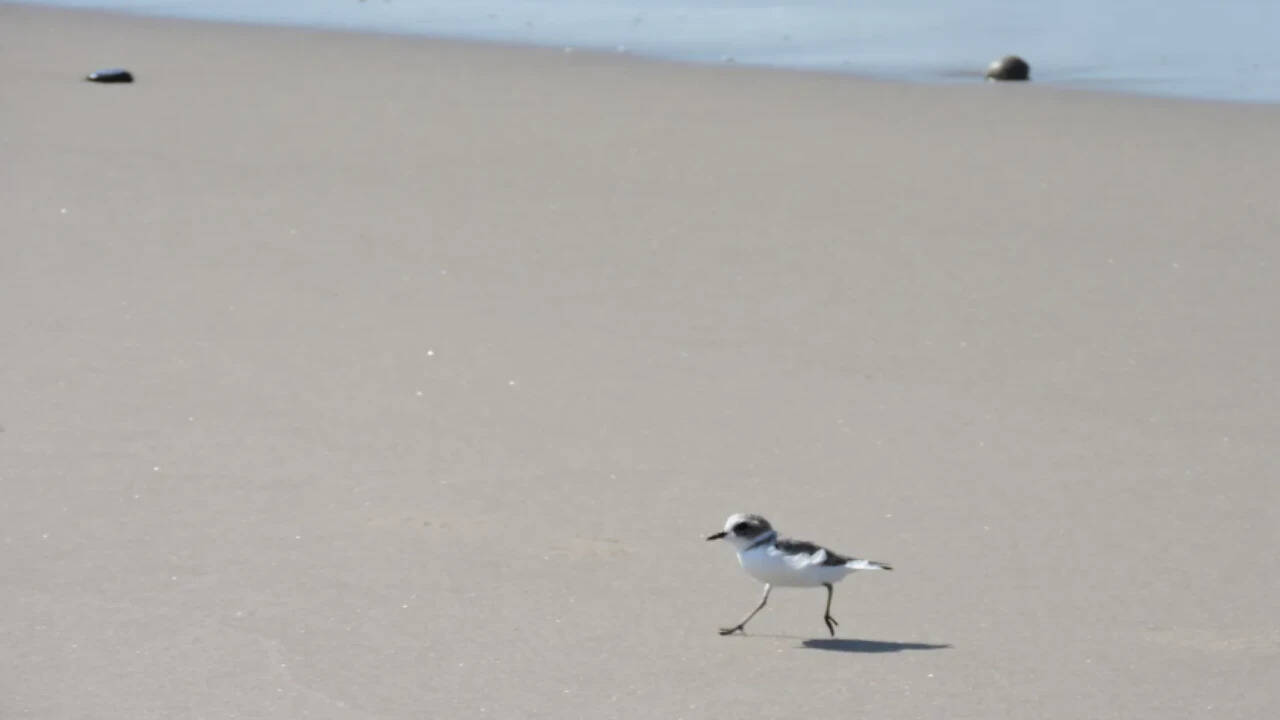
Staff and volunteers watched as the birds left their temporary cages and stepped onto the beach.
Sandoval said the partnership allows the conservation programme to pump some plovers into the population. She said this is especially important during high-mortality years. This year is considered one such period because of the incoming El Nino, which often brings heavy rain to Southern California.Julie Barnes, vice president of animal care and health at the Santa Barbara Zoo, said human disturbance and weather events can make intervention necessary. The aim is to act early and help stabilise the population through birds raised at the zoo.“We don’t want their numbers to keep declining to the point that they become endangered,” Barnes said. “It’s much more difficult to recover a species once they’ve reached the endangered status than when they’re at the threatened stage,” she added.
Tracking where released birds go
The colourful bands around the birds’ ankles are part of the monitoring effort. The zoo received permission to band the plovers last year and has since banded all birds before releasing them.Until now, conservationists depended largely on birdwatchers to spot the coloured bands, which are about the size of a grain of rice, and report where they saw the birds. That method has already provided useful information. According to the zoo, released plovers have been observed nesting as far south as San Diego and have also been spotted as far north as the Oregon coast.This year, however, the zoo fitted the 11 released birds with radio and Bluetooth tracking devices for the first time. The devices can upload information to the Motus network, allowing researchers to collect movement data without depending only on visual sightings.The zoo said the new Motus tags could greatly increase detection rates and provide information that was previously difficult to obtain. It is also the first time rehabilitated plovers from the programme will be monitored using this technology after their release.“Now, this allows us to understand movement and survivorship, and that…can directly go back and inform our management,” said Nadya Seal Faith, a conservation and science associate at the zoo.
What happens after release
The 11 birds released on Tuesday may not all remain at Coal Oil Point. Barnes said some could stay at the beach, while others may move to different beaches along Central and Southern California or to the Channel Islands.The tracking technology is expected to help conservationists understand where the released birds go and how they survive after returning to the wild. This information can then be used to inform future management of the species.For the people involved in raising and releasing the birds, however, seeing them return to the wild remains the main goal. “I mean, this is our mission. This is why we all work at the zoo,” Barnes said.Beachgoers can also help protect the threatened western snowy plovers by staying outside roped-off nesting areas from March through September. People are advised to keep dogs leashed and use designated dog beaches, avoid flying kites and drones near nesting areas, and take food scraps with them so they do not attract predators.