
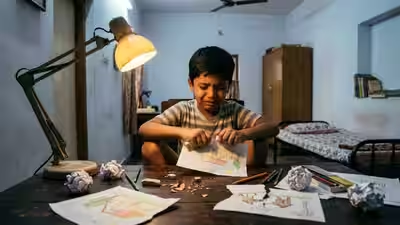
Psychology says children who tear up their own drawings or homework may be putting more pressure on themselves than parents realize

A child finishes a drawing, looks at it for a few seconds and suddenly tears the paper in half. Another rubs out an entire page of homework because one answer is wrong. Some children may refuse to show their parents something they have made because, in their eyes, it is “not good enough”. To a parent, this can look like frustration over a small mistake. But sometimes, the reaction can be much bigger than the mistake itself.Research on childhood perfectionism suggests that some children can become unusually concerned about errors and judge their own work harshly when it does not match the standard they have in mind. That does not mean every child who tears up a drawing is a perfectionist. But repeated reactions of this kind can be worth noticing.
22 Sept 2026 | 15:04
What pregnancy purchase turned out to be genuinely useful?
When one small mistake ruins the whole thing

Photo: Canva
Imagine a child who has spent 30 minutes drawing a house. Everything looks fine except one window is slightly uneven. Instead of accepting it, the child tears the page. The parent may see a perfectly good drawing with one imperfect detail. The child may see only the mistake. Perfectionism is not simply wanting to do well. Researchers distinguish between setting high standards and becoming overly concerned with mistakes, self-criticism and the possibility of failure.A 2020 meta-analysis involving 21,272 participants found that the more self-critical side of perfectionism was associated with poorer academic outcomes and unhelpful behaviours such as academic stress and burnout. The researchers also distinguished perfectionism from a healthier pursuit of excellence.
Some children can be much harder on themselves
A child does not always need a parent to point out a mistake. Sometimes the criticism comes from the child. They may erase an answer repeatedly because the handwriting is not neat enough. They may start a drawing again because one line went wrong. They may become upset when they cannot solve something immediately. Research involving 203 children aged 8 to 12 examined two different aspects of self-oriented perfectionism: striving for high standards and being highly critical of oneself. The study found that parental expectations were associated with the striving side, while parental criticism was associated with the more self-critical form. The self-critical form was also associated with more negative effects.
A child’s reaction to mistakes can become part of a pattern
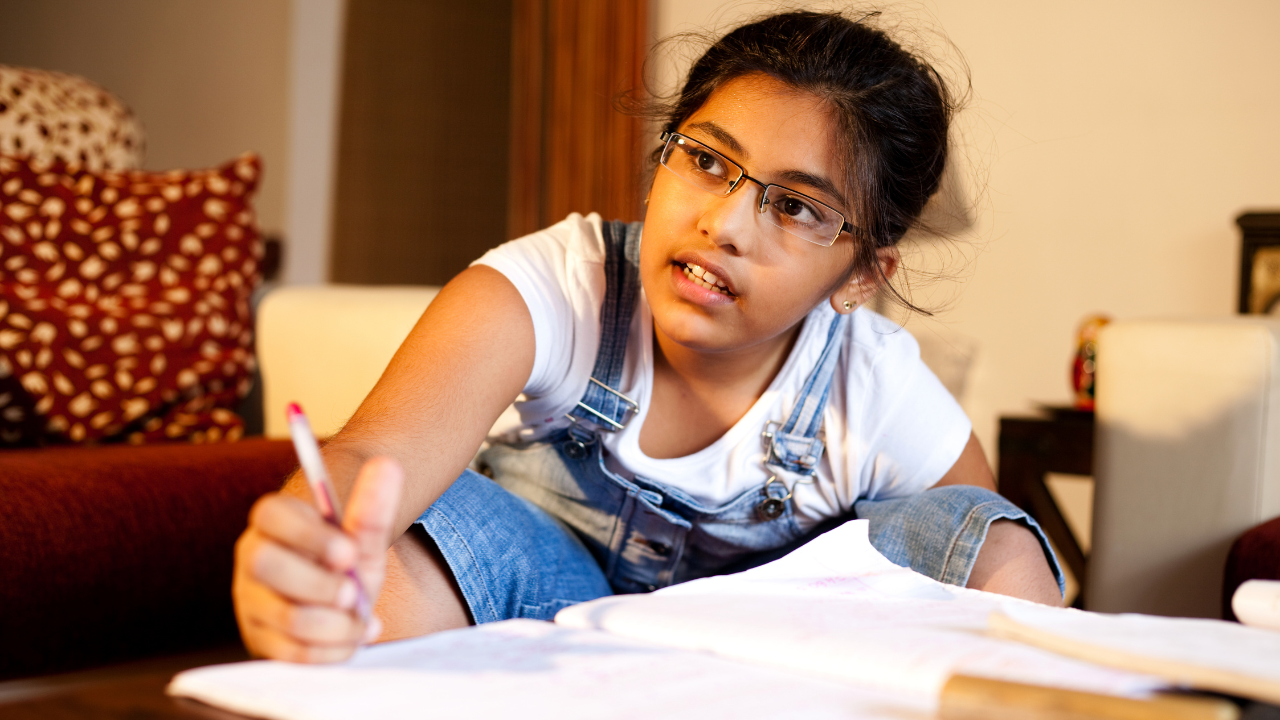
Photo: Canva
One torn worksheet is not enough to tell a parent anything. Children rip paper because they are angry, tired, frustrated or simply having a bad day. Younger children are also still learning to regulate strong emotions. The concern is when the same reaction appears repeatedly. A child may refuse to submit work unless it looks perfect, repeatedly erase or restart assignments, become very upset after small mistakes, avoid trying something difficult because they might get it wrong, compare their work with others and immediately dismiss their own or say things such as “I’m bad at this” after one mistake.Research has found links between perfectionistic concerns and difficulty coping with mistakes. A 2017 study of school-aged children found that parental criticism was associated with the self-critical form of perfectionism, while this form of perfectionism was associated with negative affect.
What parents say after a mistake can matter
This does not mean parents cause perfectionism simply by expecting children to do well. Children can develop perfectionistic tendencies through several influences, including their own temperament, social experiences and the standards they place on themselves. But research suggests that the way children experience parental expectations and criticism can be relevant. A meta-analysis covering 46 studies and 13,364 participants examined the relationship between parenting behaviours and perfectionism. It found that parental expectations had positive relationships with several forms of perfectionism, while parental criticism was uniquely associated with socially prescribed perfectionism. The researchers also found evidence that parents’ own perfectionistic tendencies can correspond with similar tendencies in their children.That makes the response to a mistake worth considering. If a child tears up a drawing and hears, “Why can’t you do it properly?”, the mistake can become bigger. A response such as, “You didn’t like that part? What would you like to change?” keeps the focus on the work rather than the child’s ability.
Don’t rush to fix the drawing
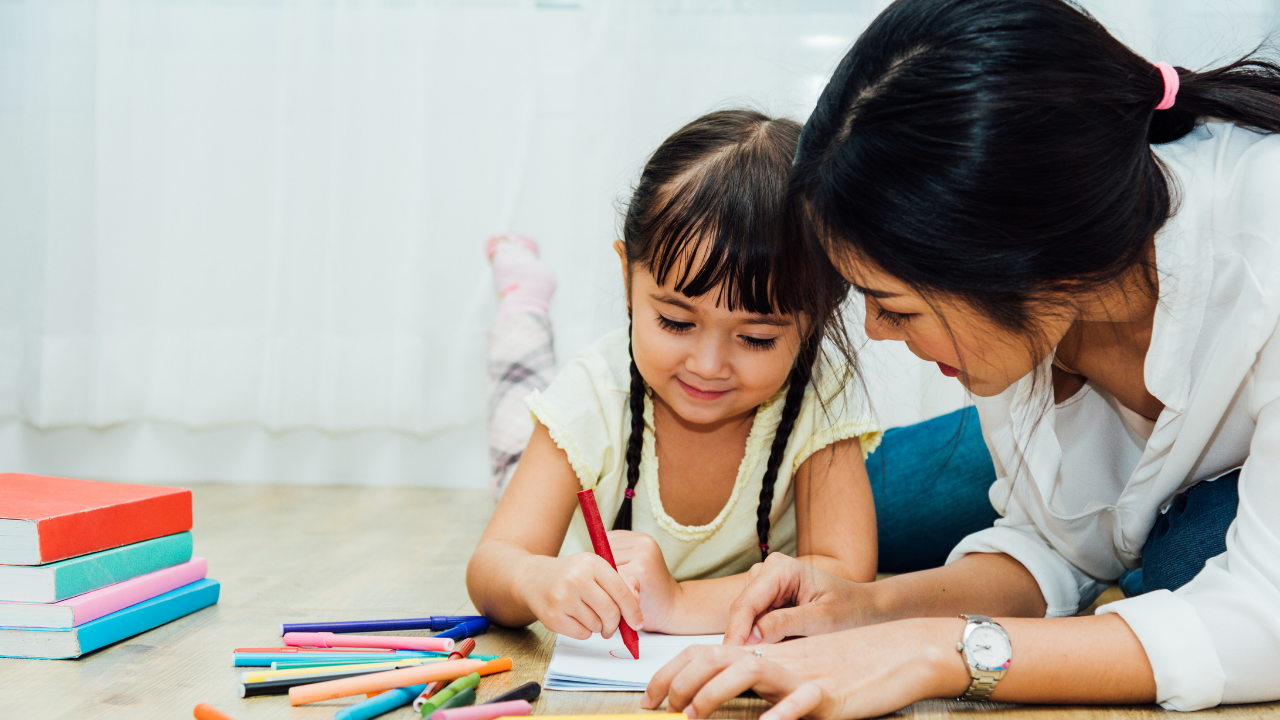
Photo: Canva
Parents often want to rescue the child immediately.“It looks beautiful.” “Don’t tear it.” “Let me fix that part.” But constant reassurance may not teach a child what to do with imperfection. Instead, parents can help children stay with a small mistake. “Which part are you unhappy with?” “Do you want to change it or leave it?” “What happens if we keep going?” These questions allow the child to make a choice without turning the mistake into a crisis.
What parents can say instead
When a child tears up homework or a drawing, the first response does not have to be, “Why did you do that?” Try: “I can see that mistake really bothered you.” “Do you want to try again or take a break?” “What part would you like to change?” “It doesn’t have to be perfect to be finished.” And sometimes, simply: “Making mistakes is part of learning.” A torn drawing may be nothing more than a child’s moment of frustration. But if a child repeatedly destroys their work, refuses to try unless they know they can do it perfectly, or becomes extremely distressed by ordinary mistakes, it may be worth looking beyond the behaviour.