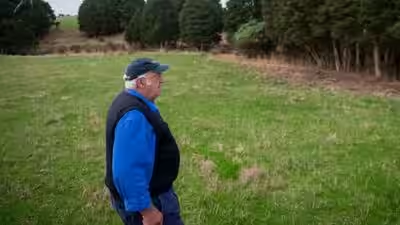
About 30 years ago, an Australian farmer began restoring land he had once cleared after his children told him to protect nature; today 24 bird species live on his farm year-round

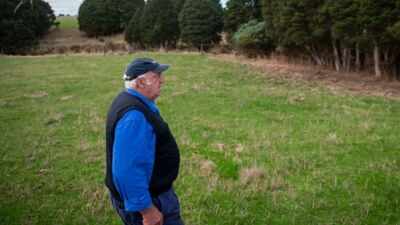
King Island in Tasmania, Australia is known for its green farmland, cattle and tourism. But beneath that landscape is a much older story of forests and native vegetation that once covered large parts of the island.Over about two centuries, large areas of that vegetation were cleared to create farmland, ABC news Australia reported. The changes affected the island’s wildlife, with several native species disappearing and others being pushed towards extinction.Farmer Fred Perry was once part of that clearing process. Raised in a farming culture where native vegetation was removed to make space for agriculture, he spent years doing what many farmers before him had done.“I bashed the trees down and burnt everything. I was a bash and burner,” Perry says.Things changed when their children came home from school and told their father that he needed to do more to protect the environment. For almost three decades now, Perry and his wife, Shona Perry, have been fencing off parts of their property and replanting areas with endemic and native plants.The change was also driven by something Perry noticed on his own land- there were not many birds. “If we didn’t get and do something, we would have nothing left on our native vegetation,” he recalls.
Farmer who changed course
Perry’s property, Millwood Station, is still a working farm, and cattle remain part of the operation. But parts of the land have been set aside for native vegetation. The Perrys used their own money as well as government grants to fence off areas and, in some places, plant native and endemic species.The work has taken most of three decades. Over that period, the changes have gone beyond simply bringing more plants back to the property. “There are multiple things that have accumulated to the positive from that event,” Perry says.He points to better water quality in creeks and shelter for animals as some of the benefits. But the change that makes him most proud is the return of birds. “The big thing that we are proud of is the colonies of birds that use the property these days,” he says.Perry now uses birds as a way of observing what is happening across his farm. He believes their presence can provide a useful indication of how the ecology of the property is doing. “I class the birds as a monitoring part of the property, because birds are smarter than us. While ever I’ve got these colonies of birds around, I’m doing something right to the ecology of the farm. The birds know what’s going on,” he says.
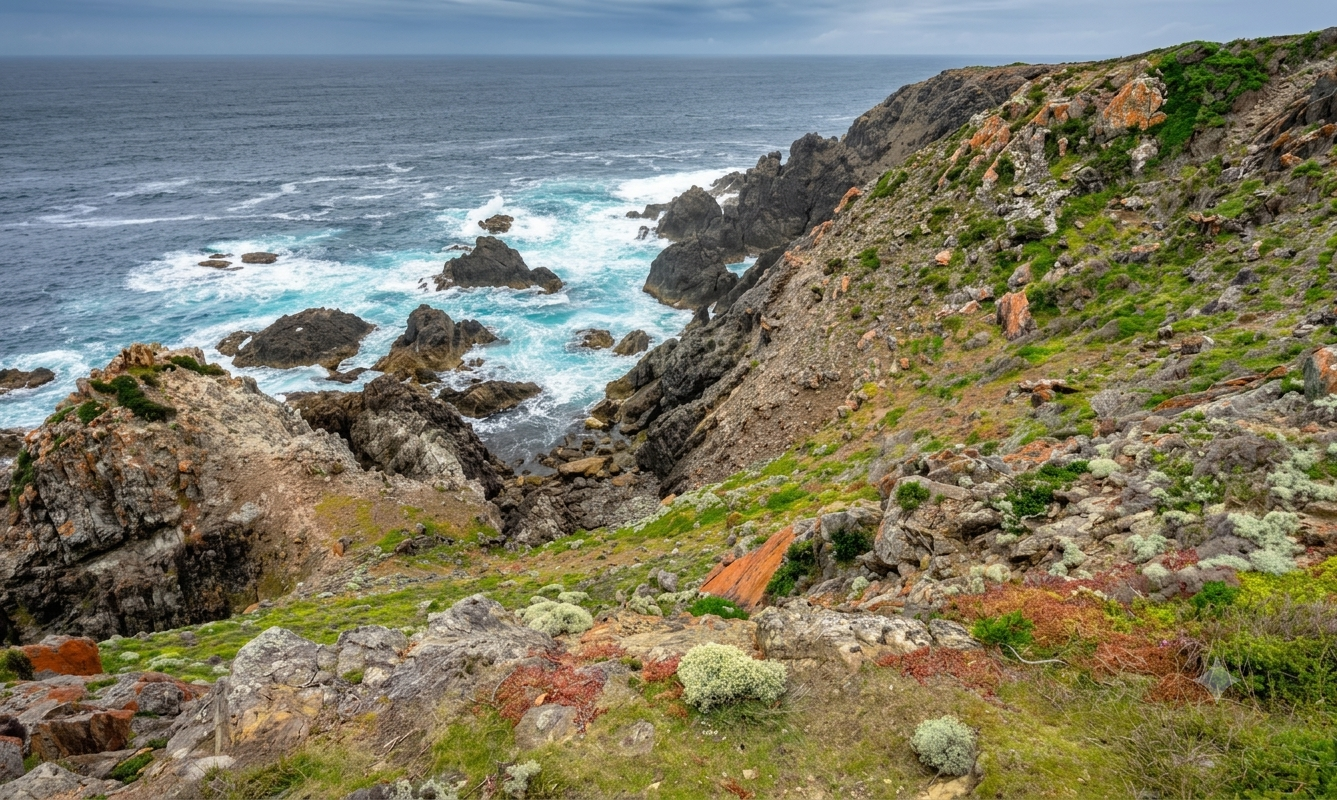
European settlement in the early 1800s led to sealing and widespread removal of native vegetation.
The Island’s crisis
Perry’s conservation work is taking place against the much larger history of King Island’s environmental change. The island covers about 1,000 square kilometres, but researchers estimate that fewer than 30 per cent of the island is now covered by native vegetation.The clearing began after European arrival in the early 1800s. Sealing was followed by the removal of vegetation, including efforts to make navigation easier. The pressure on the island’s natural resources continued for generations.Historical records show that several species were lost after European settlement. The local elephant seal population disappeared soon after European sealers arrived. The King Island emu, tiger quolls, wombats and various bird and plant species were also lost.More extensive land clearing took place in the mid-20th century. Soldier settlers used modern machinery and tractors to clear and prepare land for agriculture. By then, the island had already experienced decades of pressure, including fires.
Long way to go
Although Perry’s farm has changed, much of King Island’s native vegetation remains under pressure. The remaining scrub provides habitat for the King Island brown thornbill, the orange-bellied parrot and the King Island scrubtit. All three species are at risk of extinction. That makes remaining native vegetation important for wildlife on the island.Perry’s work is one example of how individual landowners have changed the way they manage parts of their farms.He is also part of a wider shift among some King Island residents. The island now has environmental volunteer groups, reserves, bird monitoring efforts and weed management projects. Farmers and landowners are among those involved in these activities.