
Skip to content
-
Subscribe to our newsletter & never miss our best posts. Subscribe Now!
  • ଦେଶ ବିଦେଶ
  • ଜିଲ୍ଲା
  • ରାଜ୍ୟ
  • ଓଡିଶା
  • ରାଜନୀତି
  • ଅର୍ଥନୀତି
  • ବାଣିଜ୍ୟ
  • ଅପରାଧ
  • ଖେଳ
  • ଦେଶ ବିଦେଶ
  • ଜିଲ୍ଲା
  • ରାଜ୍ୟ
  • ଓଡିଶା
  • ରାଜନୀତି
  • ଅର୍ଥନୀତି
  • ବାଣିଜ୍ୟ
  • ଅପରାଧ
  • ଖେଳ

Archives

  • August 2026
  • July 2026

Categories

  • Uncategorized
  • ଓଡିଶା
  • ଜିଲ୍ଲା
  • ଦେଶ ବିଦେଶ
  • ଦେଶ ବିଦେଶ
  • ଜିଲ୍ଲା
  • ରାଜ୍ୟ
  • ଓଡିଶା
  • ରାଜନୀତି
  • ଅର୍ଥନୀତି
  • ବାଣିଜ୍ୟ
  • ଅପରାଧ
  • ଖେଳ
Subscribe
Close

Search

ଦେଶ ବିଦେଶ

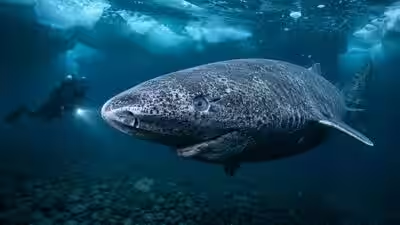
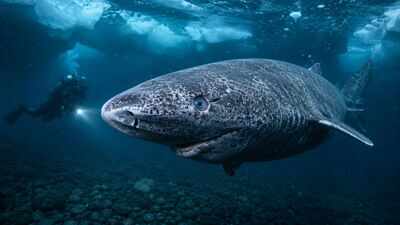
Scientists turn Sharks into real-time ocean observers, carrying sensors that can measure conditions for oceanographic, atmospheric and climate models

By admin
August 10, 2026 2 Min Read
0
Spread the love


Scientists turn Sharks into real-time ocean observers, carrying sensors that can measure conditions for oceanographic, atmospheric and climate models

Researchers from University of Delaware are transforming how oceanographers (scientists who study the earth’s oceans) track marine conditions by deploying specialised electronic tags that turn living sharks into mobile, real-time data collection hubs. The research project, led by marine scientist Aaron Carlisle, equips predatory fish with advanced sensors designed to collect water profiles across the US East Coast.Instead of merely tracking animal movements, the tags gather critical data on temperature, salinity and depth – feeding real-time information directly into atmospheric and climate forecast models. The research was published in journal Frontiers in Conservation Science.

Researchers decode ocean heat that fuels hurricanes

The primary goal of the tagging initiative is to map the upper layer of the ocean, known to oceanographers as the mixed layer. This upper column of water holds the thermal energy that directly feeds and amplifies hurricane strength.“This is the part of the water column that really drives hurricane intensity — warmer mixed layer equals stronger hurricane — as it holds the heat that feeds hurricanes,” explained Carlisle, a professor in the university’s School of Marine Science and Policy.While oceanographers have deployed sensor tags on marine mammals like elephant seals in polar regions, sharks present a unique advantage for Atlantic storm tracking. They are abundant, widely distributed, and traverse key coastal corridors where major hurricanes develop and gain strength before making landfall.Researchers target migratory species that surface frequently, such as shortfin mako sharks, blue sharks, smooth hammerheads and juvenile great white sharks. Frequent surfacing is critical because the electronic tags must reach the water’s surface to transmit cached environmental data up to orbiting satellite networks.

Tagging executed like a ‘Pit Crew’

The research team conducts offshore expeditions aboard the university’s research vessel, deploying baited lines 30 to 60 kilometres off the Atlantic coast. When a shark is brought alongside the vessel, the team executes the tagging protocol with extreme precision under strict animal welfare guidelines.“The tagging process itself is operated like a pit crew in an auto race,” Carlisle said, emphasising that the procedure typically takes under five minutes. Each animal undergoes a quick health check before being tagged on its dorsal fin. To protect the sharks long-term, the tags are secured using metallic components designed to naturally corrode and shed after a predetermined period.



Source link

Author

admin

Follow Me
Other Articles
Previous

As companies in America face rising health costs, Starbucks ends employee benefits’ coverage for these medicines

Next

Tragic end for Jake Whisenant: Yosemite speed climbing star dies in Sierra Nevada accident | International Sports News

No Comment! Be the first one.

Leave a Reply Cancel reply

Your email address will not be published. Required fields are marked *

Boston: In the 1990s, Boston sent nearly a quarter of the Big Dig’s 16 million cubic yards of soil to a burning former dump island and helped turn it into a park

Boston: In the 1990s, Boston sent nearly a quarter of the Big Dig’s 16 million cubic yards of soil to a burning former dump island and helped turn it into a park

August 10, 2026
A half-mile solar strip floats above an irrigation canal in Gujarat, generating 1.6 million kilowatt-hours of power while saving 2.38 million gallons of water from evaporation

A half-mile solar strip floats above an irrigation canal in Gujarat, generating 1.6 million kilowatt-hours of power while saving 2.38 million gallons of water from evaporation

August 10, 2026
Watch: Fast-moving Canada wildfire doubles in size forcing mass evacuations; 1 dead

Watch: Fast-moving Canada wildfire doubles in size forcing mass evacuations; 1 dead

August 10, 2026
Legally availabile marijuana in some countries adds to airline woes

Legally availabile marijuana in some countries adds to airline woes

August 10, 2026

About Us

We love WordPress and are here to provide you with professional-looking WordPress themes so you can take your website one step ahead. We focus on simplicity, elegant design, and clean code.

TG: Ads

About Us

Lorem ipsum dolor sit amet, consectetur adipiscing elit, sed do eiusmod tempor incididunt ut labore et dolore magna aliqua.

We love WordPress and we are here to provide you with professional-looking WordPress themes so that you can take your website one step ahead. We focus on simplicity, elegant design, and clean code.

Category

  • ଦେଶ ବିଦେଶ
  • ଜିଲ୍ଲା
  • ରାଜ୍ୟ
  • ଓଡିଶା
  • ରାଜନୀତି
  • ଅର୍ଥନୀତି
  • ବାଣିଜ୍ୟ
  • ଅପରାଧ
  • ଖେଳ

Useful Links

  • ରାଜ୍ୟ
  • ଦେଶ ବିଦେଶ
  • ଜିଲ୍ଲା
  • ଓଡିଶା
  • ରାଜନୀତି
  • ଅର୍ଥନୀତି
  • ବାଣିଜ୍ୟ
  • ଅପରାଧ
  • ଖେଳ
  • Privacy Policy
  • Contact Us
  • About Us
  • Terms of Use
Copyright 2026 — Koshal Sambad. All rights reserved. SSWPL