
Ranch Fire: California’s Ranch Fire burned 459,123 acres in 53 days; eight years later, crews planted 71,000 seedlings across the scar in eight days

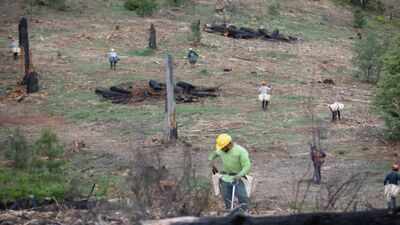
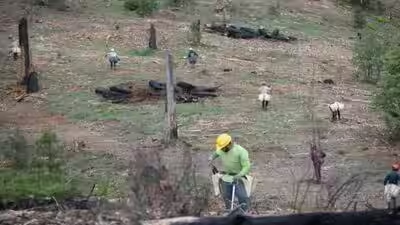
Eight years after California’s Ranch Fire destroyed vast stretches of forest, efforts to restore the landscape are now taking shape, Defence Visual Information Distribution Service reported. This spring, the US Forest Service, along with nonprofit organisations and volunteers, planted 71,000 conifer seedlings in just eight days across part of the burn scar in the Mendocino National Forest. The work took place east of the communities of Nice and Lucerne in north-central California.The effort is part of a long-term effort to restore areas damaged by the Ranch Fire, which was part of the Mendocino Complex Fire in 2018. The fire burned 459,123 acres in 53 days, making it the largest wildfire in California’s history at that time.Since then, local communities, forest managers and nonprofit groups have worked together to help the forest recover. The recent planting drive marks only one stage in a restoration process that has taken years of planning, preparation and field work.
Preparing forest for new trees
Forest Service employees and local partners wanted to begin replanting soon after the fire. However, several important steps had to be completed before young trees could safely be planted.One of the first tasks was removing hazard trees which are dead or badly burnt trees that can fall without warning. Besides posing a safety risk to workers, they often block forest roads and make it difficult to reach damaged areas. After making the area safer, crews cut back thick brush, removed standing dead trees and used prescribed fires to clear remaining burnt vegetation. These controlled burns help reduce the amount of dry fuel that could feed future wildfires.According to the Forest Service, these preparations are essential because forests that are left unmanaged after severe fires often become covered with dense brush instead of healthy trees.Will Evans, executive director and co-founder of the Clear Lake Environmental Research Center, says active management helps forests recover in a way that makes them more resistant to future fires. “Without active management of forested lands, brush takes over and big, healthy, mature trees do not return, which are the most resilient to fire,” Evans says. “You’re going to have a 10-foot-tall brush patch that is just waiting to erupt into flames,” he adds.
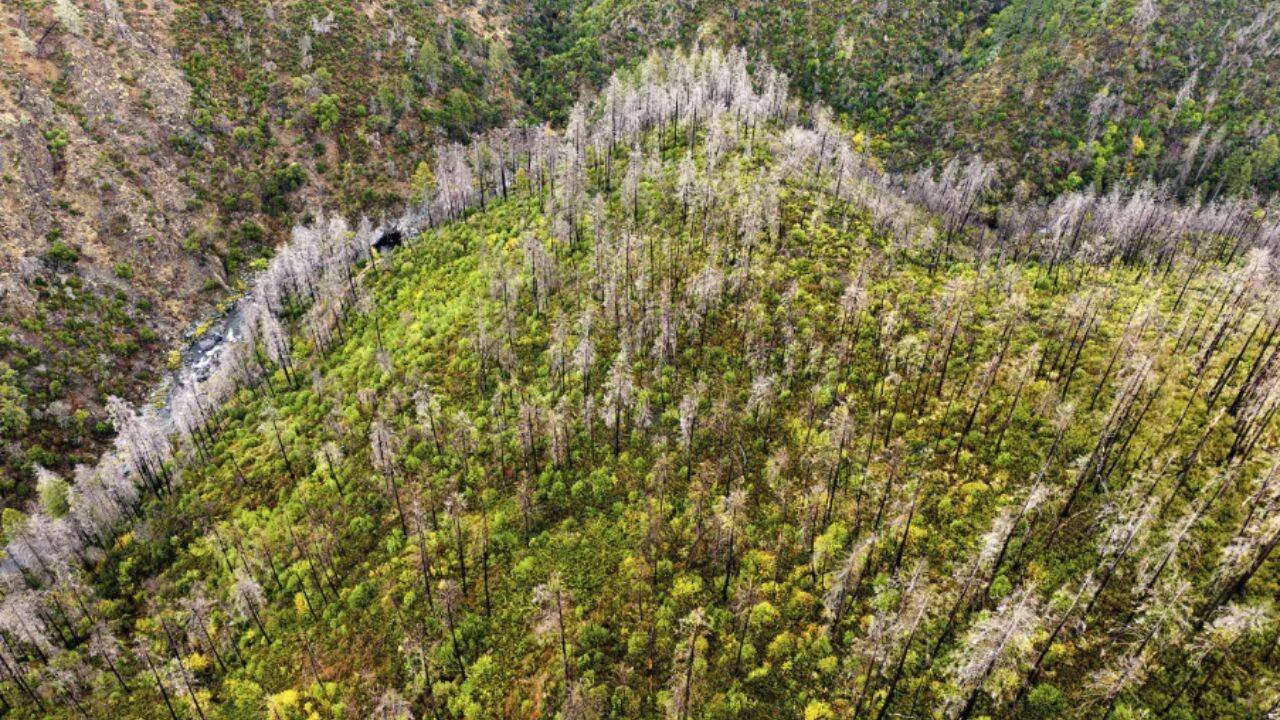
New growth lines the side of a canyon on the east side of Paradise, California (AP photo)
Seedlings prepared in advance
When a wildfire begins to wind down, national forests contact Forest Service nurseries. These nurseries collect, process and store seeds from different tree species before growing seedlings for future restoration work.Depending on the species, it usually takes about one year for a seedling to become strong enough for planting.The Forest Service operates six nurseries across the United States, producing around 28 million seedlings every year. These young trees are then supplied to forests recovering from wildfires and other disturbances.
Balancing with wildlife protection
Hinda Darner, a district fuels specialist with the Mendocino National Forest, has spent most of her 24-year career working on wildfire response and prevention. Having grown up in Lake County, she says the Ranch Fire had a personal impact because it affected her own community.She explained that earlier in her career, an 80,000-acre fire was considered very large. The Ranch Fire was far bigger and burned more than 400,000 acres under extremely dry conditions.Because resources were limited, officials could not restore every part of the burned area immediately. Instead, they focused on locations where restoration would best protect nearby communities and preserve remaining forests.Darner explains that forests left untouched after severe fires can become more dangerous over time. Dead trees fall and pile up, dry out in the sun and combine with fast-growing brush. Together, these conditions can create fuel for future high-intensity wildfires.To reduce those risks, crews removed some dead trees while leaving others behind for wildlife. “We will take machines and pile large trees to be burned,” Darner says. “But we will also leave some standing out there for certain species of birds and a few logs on the ground for the critters. We even leave clumps of brush in strategic places for cover for the wildlife.”
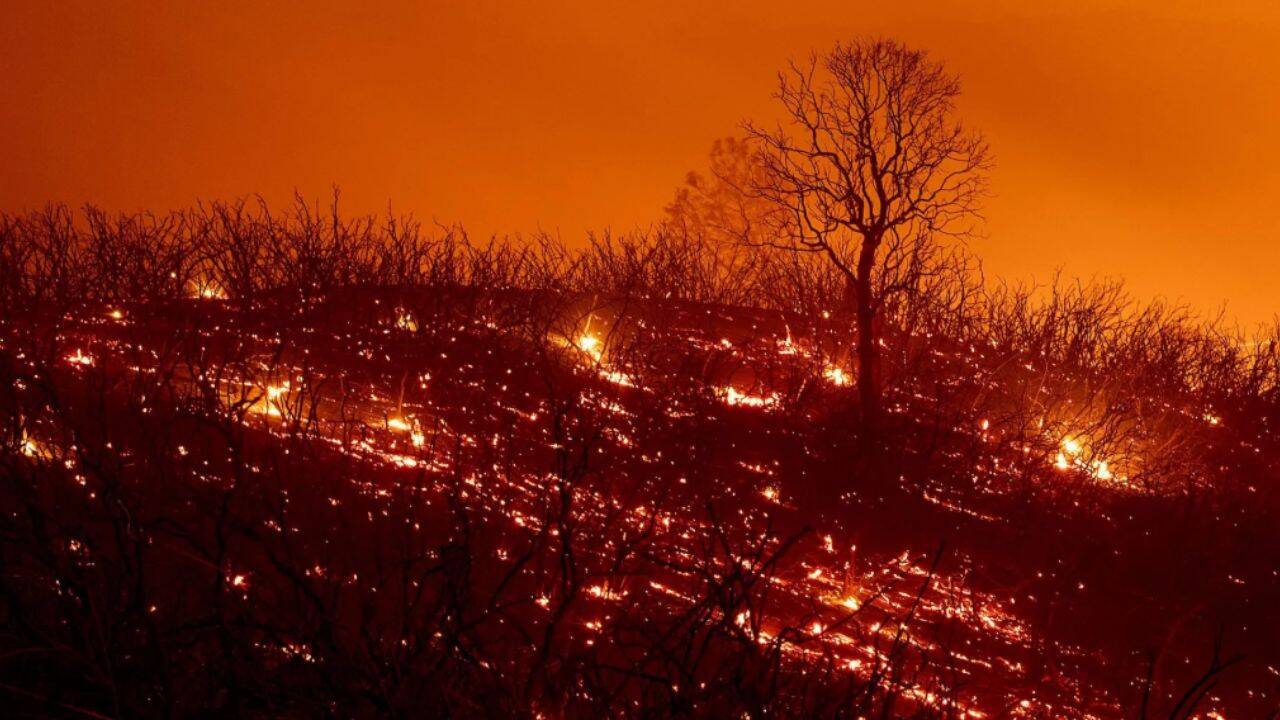
Embers smoulder after the Ranch Fire near Clearlake Oaks, California, on August 5, 2018. (AP photo)
Planting thousands of trees each day
The tree planting itself was carried out with support from Patriot Restoration Ops, which works with the Forest Service on post-fire restoration projects across the country. Jake Barlow, the organisation’s national stewardship director, says about 30 per cent of its work involves restoring areas affected by wildfires.Last year, Patriot Restoration Ops and its partners planted more than one million trees across California, Oregon and Washington. “We cover a lot of ground fairly quickly, planting on average 9,000 trees a day, aiming for about 200 trees an acre with a 12-person crew,” Barlow says. “Each crew member puts approximately 800 trees in the ground each day.”Spring is considered the best season for planting in California because the soil still contains moisture from winter rains. This gives young seedlings a better chance of surviving before the hotter summer weather arrives.A normal planting day begins early. Crews wake up around 4 am, load the seedlings by 6 am, begin planting at 7 am and continue until early afternoon, depending on temperatures and soil moisture.
Working with nature
The restoration project is not based only on planting trees. Forest managers also encourage natural regeneration where it is already happening.California black oak is one example. After the Ranch Fire, many black oak trees survived and began growing again naturally. On some burned hillsides, they are now among the tallest plants in the landscape.“We have been able to encourage those species out there, to thrive and outcompete the brush species for nutrients,” Barlow says. “And we will be back next year.”Planning such a large restoration effort also requires experts from several fields, including hydrology, soil science, archaeology, forestry, botany, wildlife management and fire management. Public feedback also helped shape the restoration work, which covers about 40,000 acres.