
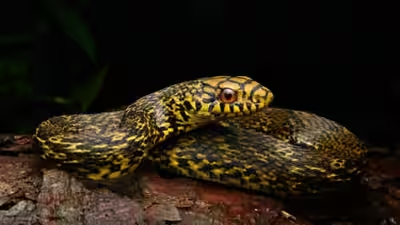
The nonvenomous king ratsnake eats deadly cobras and vipers; scientists have now mapped its genome to investigate how it survives their venom

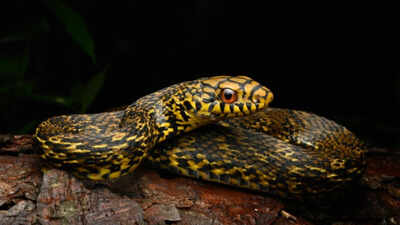
A nonvenomous snake that regularly hunts and eats some of the world’s most dangerous venomous snakes has given scientists a new mystery to solve. Researchers have now mapped the genome of the king ratsnake to understand how it survives the venom of cobras, kraits and vipers.The king ratsnake (Elaphe carinata) is found across East Asia. The species is known for attacking and eating venomous snakes, unlike many other nonvenomous snakes that mainly feed on rodents or birds. Although scientists were aware of the king ratsnake’s unusual ability, but they did not know the biological reasons behind.Now, a team of researchers has produced a chromosome-level reference genome for the species. Their work provides an important genetic resource that could help scientists study venom resistance, snake evolution and even improve future antivenom research. The findings were published in the journal Scientific Data and reported by Nature.
The king ratsnake
When a venomous snake bites another animal, its venom can damage blood, muscles or the nervous system. In many cases, the venom is deadly.The king ratsnake, however, can prey on venomous snakes including cobras, vipers and other dangerous species. According to researchers, this suggests that the snake has evolved natural ways to resist a wide range of snake venoms.Scientists knew about the resistance beforehand, but they still did not understand the biological processes behind it. Mapping the genome gave them a detailed genetic blueprint they could use to answer the questions.DNA carries instructions that tell cells how to grow, function and survive. A genome meanwhile, is the complete set of DNA of an organism.By reading the entire genome, researchers can identify genes that may be linked to traits inclduding disease resistance, body development or protection against venom.
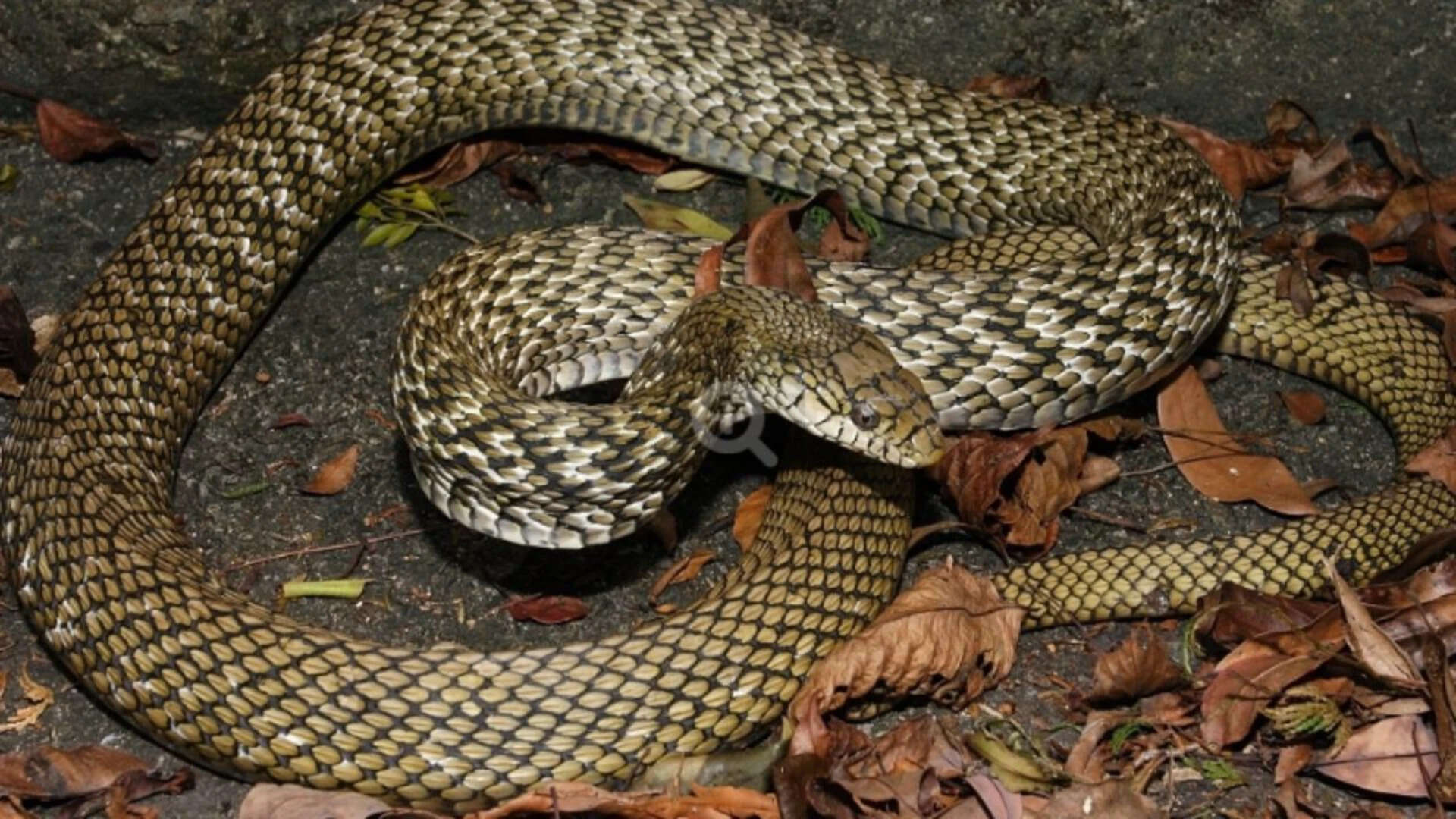
The king ratsnake can prey on venomous snakes including cobras, vipers and other dangerous species.
What genome revealed?
The research team assembled a chromosome-level genome of the king ratsnake using several advanced DNA sequencing methods. The final genome measured about 1.62 billion DNA building blocks. More than 90% of it was organised into 18 pseudochromosomes, giving researchers one of the most complete genetic references for the species so far.The scientists also identified around 19,750 protein-coding genes, and they were able to assign functions to more than 99% of them using different genetic analysis methods.The study found that repetitive DNA sequences make up over half of the king ratsnake’s genome. Among these, long interspersed nuclear elements or LINEs were the most common. These repetitive sequences play a role in how genomes evolve over time.Researchers also created a detailed catalogue of the snake’s genes which will help them compare the king ratsnake with other snakes and hel them identify genetic differences.
Treating snakebite
Snakebite remains a major issue in many parts of the world. The only proven treatment for serious snake envenomation is antivenom. Scientists hope understanding how the king ratsnake naturally resists venom could eventually improve antivenom research or lead to new ways of treating snakebite.However, the researchers stresse that more work is needed before any medical applications become possible. The genome itself is not a treatment, but it gives scientists a valuable starting point for studying how the snake’s body neutralises or survives venom.This is not the first time scientists have sequenced the king ratsnake’s DNA. An earlier genome assembly for the species was published in 2023. The study talked about the snake’s ability to prey on venomous species and suggested that its genome could help investigate venom immunity. But, the exact immune and digestive mechanisms remained unknown.According to scientists, the newly published chromosome-level genome is more complete and provides a much stronger reference for future research.