

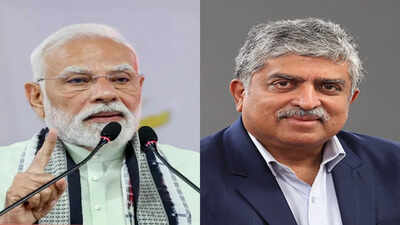
NEW DELHI: PM Narendra Modi announced Sunday a high-powered task force headed by Infosys co-founder and founding UIDAI chairman Nandan Nilekani to recommend measures for making India’s public examination system leak-proof, transparent and technology-driven.Modi said the panel would examine how technology could be used to clean up the examination process and make it more reliable. “The Nilekani committee will give suggestions on maximum use of technology for making exams clean and transparent,” he said, adding that the government would work on its recommendations to build a “fool-proof” system.The task force has been asked to suggest next-generation examination reforms, with a particular focus on technology as well as structural changes in the National Testing Agency and the wider testing framework.
CJP Jantar Mantar Protest Updates
Besides Nilekani, who led the creation of Aadhaar as the first chairman of the Unique Identification Authority of India, the multidisciplinary panel includes former ISRO chairman S Somanath, former Intelligence Bureau director Tapan Deka, IIT Madras director V Kamakoti, former education secretary and ex-CBSE chairperson Anita Karwal, and logistics expert Amrit Lal Meena.The choice of Nilekani signals an attempt to draw on his experience in building technology platforms at scale. The committee is expected to study the entire examination cycle — from question-paper preparation and transmission to centre management, candidate authentication and post-exam processing — and identify points where technology can reduce human intervention and plug security gaps.The announcement comes amid a wider government push to restore confidence in high-stakes entrance examinations after the NEET-UG paper leak. The Centre is also moving to strengthen penalties under the law against unfair means in public examinations.The latest task force follows the K Radhakrishnan committee’s recommendations on restructuring the NTA, improving governance and strengthening exam security. Several changes in staffing, operations and examination conduct have since been initiated, but the Nilekani panel will focus more sharply on a technology-led roadmap for future examinations.The political significance of the announcement is heightened by its timing. It came a day after Union education minister Dharmendra Pradhan resigned, taking moral responsibility for the NEET-UG crisis following weeks of student protests.Modi said those who had played with students’ futures were facing action, but stressed that the government also had to look ahead and create an examination system that was dependable, transparent and made maximum use of technology. The task force’s recommendations are expected to guide the next phase of the NTA overhaul.