Scientists tracked the world’s mangroves from the 1980s to 2023 and found natural regrowth has quietly reversed decades of decline

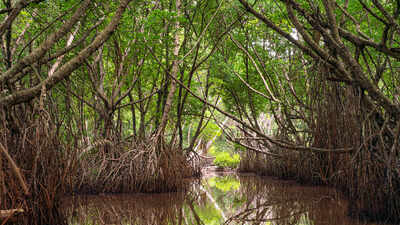
Mangroves have long been considered one of the planet’s most threatened ecosystems. These dense forests along tropical and subtropical coastlines were steadily being lost to urban expansion, shrimp farming, agriculture, pollution and climate change. Each year thousands of hectares were lost, threatening wildlife, fisheries and coastal communities that depended on them. But a striking new study suggests the narrative is beginning to change.According to online media reports, scientists who analyzed satellite images spanning more than four decades—from the 1980s to 2023—say mangrove forests are coming back in many parts of the world. Published in the journal Science, the research found that the historic decline in mangroves has been largely offset by natural regrowth and expansion, with global mangrove losses now slowing dramatically.
CJP Jantar Mantar Protest Updates
The results are one of the most positive conservation stories in recent years, showing that with protection, restoration and community support, nature has an incredible capacity to heal itself.
A forest that would not vanish across the globe
Using decades of satellite imagery, researchers tracked annual changes in the extent and canopy health of mangroves. Rather than continuing the steep decline recorded in the late 20th century, they found that mangrove forests have entered a period of relative stability.An unexpected element of this turnaround has been natural regeneration, where forests come back on their own with very little human help. On several continents, new mangroves have been reported growing around major rivers, estuaries and deltas.The results also corroborate the findings of the United Nations Environment Programme’s (UNEP) 2023 report, The Decade of Mangrove Forest Change, which found that global mangrove losses had largely plateaued while gains were increasingly frequent in many coastal areas.
Why mangroves matter more than we know
Why mangroves matter more than we know
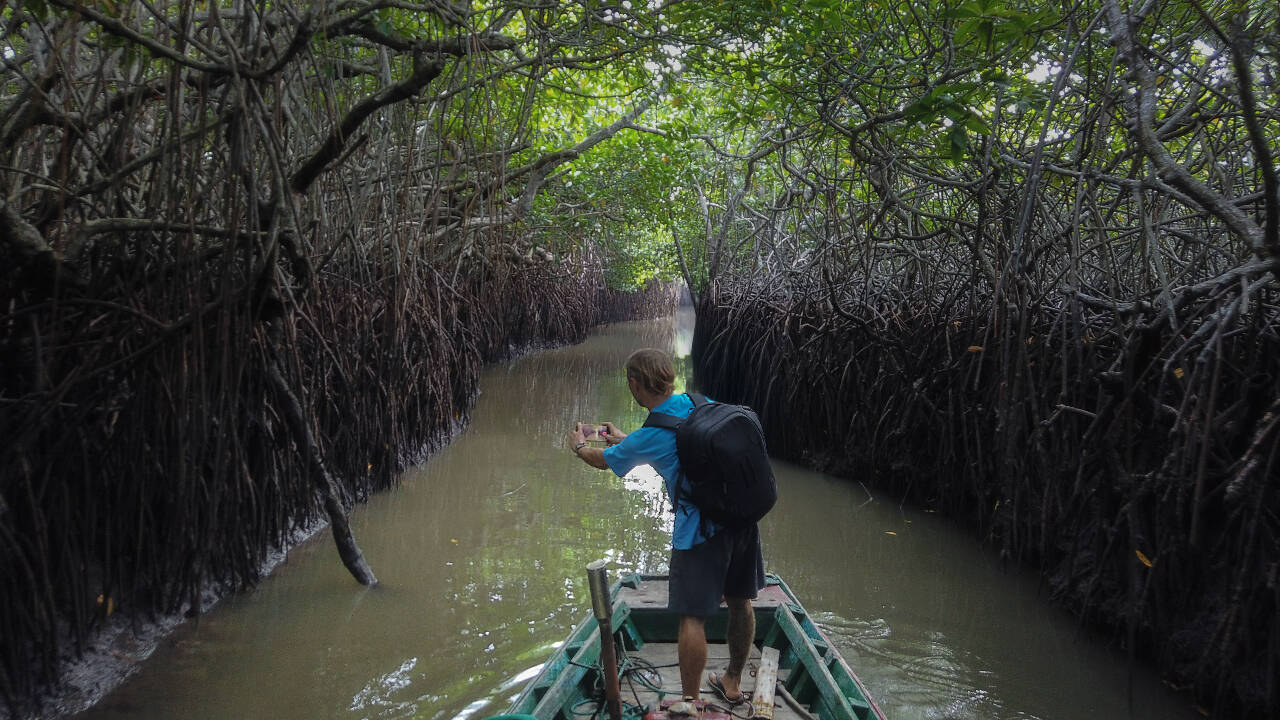
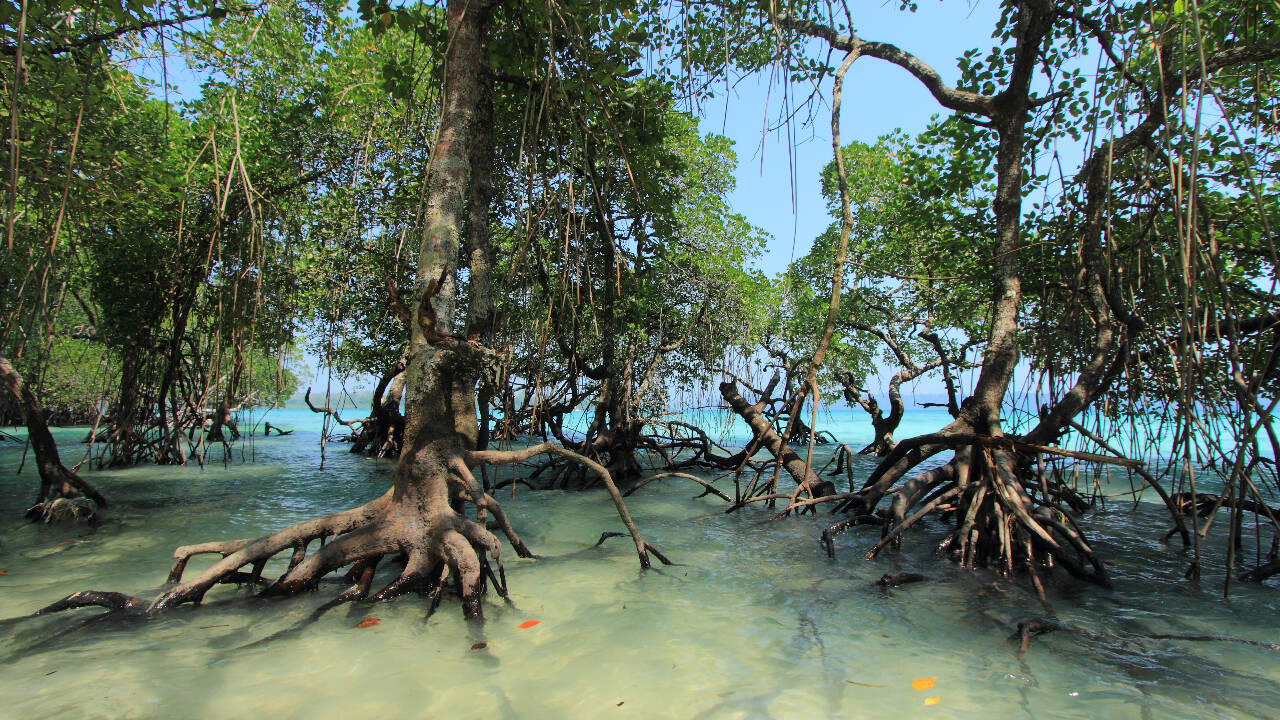
Mangrove trees make up less than 1 percent of the world’s tropical forests, but they are one of the planet’s most valuable ecosystems. According to environment experts, they are living barriers between the sea and the land, providing natural protection from storms, coastal erosion and flooding. Their complex root systems trap sediments, stabilize shorelines and improve water quality.If experts are to be believed, mangroves are also called climate heroes. They sequester vast amounts of carbon, both in their trees and in the soil beneath them—sometimes called “blue carbon.” Mangrove forests are thought to store many times more carbon per hectare than many terrestrial forests, making them an important tool in the fight against climate change.Mangroves are not just good for the environment but also for the livelihood of millions of people. According to UNEP, healthy mangrove ecosystems support fisheries, tourism and resilience to disasters with almost 2.4 billion people living within 100 kilometres of the world’s coastlines. More than 1,500 species of fish, birds, reptiles, mammals and invertebrates live in mangrove habitats.
Is science taking conservation in a new direction?
Is science taking conservation in a new direction?
Well, the answer is yes. The new research shows how satellite technology has transformed conservation science. By comparing imagery taken over four decades, scientists could measure where mangroves had disappeared and where they were expanding naturally. “This long-term perspective gives governments and conservation groups reliable data to work out where to focus restoration efforts and monitor progress.“This is encouraging news for global restoration and conservation efforts at a time when we all need that glimmer of hope,” said Sinikinesh Beyene Jimma, Chief of Marine and Coastal Ecosystems Unit at UNEP.
Communities leading the recovery
This positive global trend is not happening by chance. Around the world, communities are working with scientists and conservation groups to restore mangrove ecosystems.Kenya: Science builds restorationIn the Lamu seascape of Kenya, the Kenya Marine and Fisheries Research Institute (KMFRI), with support from UNEP and the International Coral Reef Initiative (ICRI), mapped mangrove and seagrass habitats to establish a scientific basis for large-scale restoration. The project trained 50 community members in blue carbon assessment and restoration techniques. It evolved into an EU-funded project that today is responsible for close to 5,000 hectares of mangrove forests through restoration, better forest management and avoided deforestation.Costa Rica: Community-LedConservation group Misión Tiburón restored 68 hectares of degraded mangrove habitat within Costa Rica’s Golfo Dulce Hammerhead Shark Sanctuary. Local community members established nurseries, planted over 12,000 native mangrove seedlings, and created long-term monitoring sites. Preliminary assessments documented a survival of over 80% of the seedlings, showing the long-term success of this community-driven conservation.The project also created short-term employment for fishing communities and delivered environmental education programs to more than 1,500 students.
A recovery worth celebrating and safeguarding
A recovery worth celebrating and safeguardin
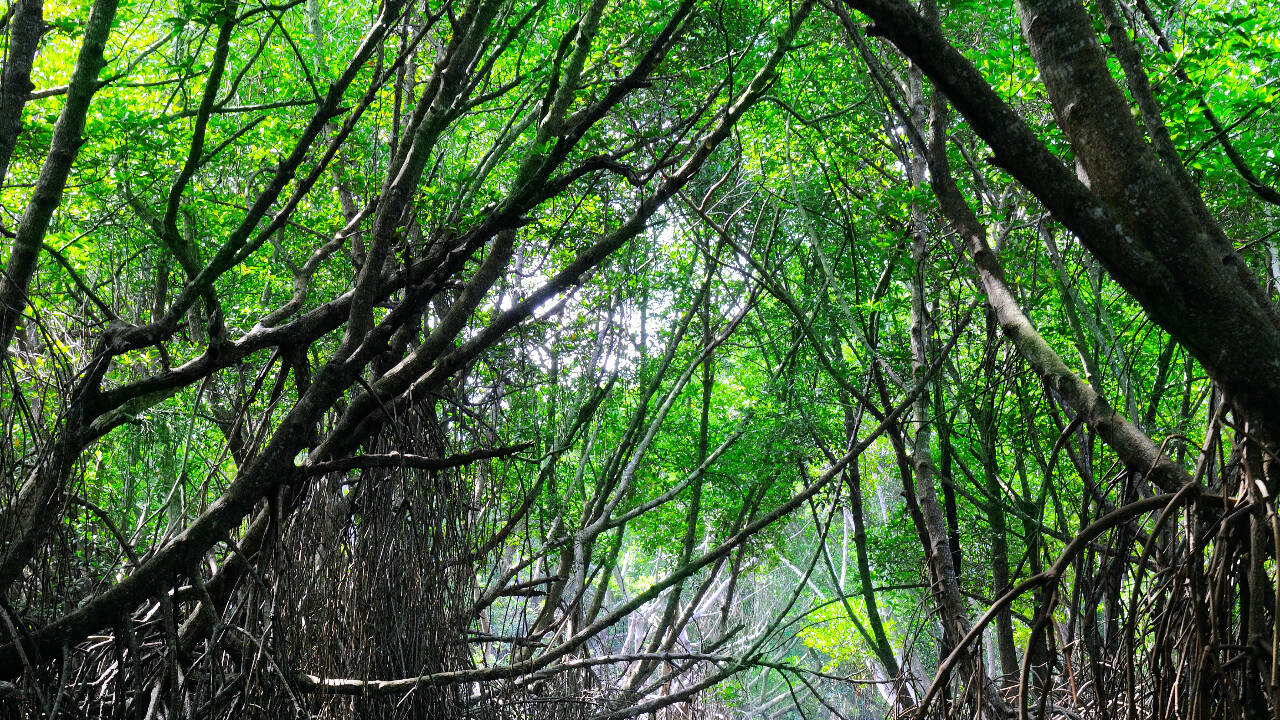
The new findings show that science-based conservation efforts, supported by local communities, can reverse environmental decline.But experts say the recovery remains fragile. Mangroves are still threatened by coastal development, pollution, sea-level rise and climate change. Continued investment, stronger environmental policies and long-term protection will be crucial to ensure that these forests continue to recover. For decades, mangroves have been one of the world’s fastest disappearing ecosystems. Today they have something far more valuable to offer: proof that nature can recover in ways once thought impossible when science, communities and governments work together.