
Skip to content
-
Subscribe to our newsletter & never miss our best posts. Subscribe Now!
  • ଦେଶ ବିଦେଶ
  • ଜିଲ୍ଲା
  • ରାଜ୍ୟ
  • ଓଡିଶା
  • ରାଜନୀତି
  • ଅର୍ଥନୀତି
  • ବାଣିଜ୍ୟ
  • ଅପରାଧ
  • ଖେଳ
  • ଦେଶ ବିଦେଶ
  • ଜିଲ୍ଲା
  • ରାଜ୍ୟ
  • ଓଡିଶା
  • ରାଜନୀତି
  • ଅର୍ଥନୀତି
  • ବାଣିଜ୍ୟ
  • ଅପରାଧ
  • ଖେଳ

Archives

  • July 2026

Categories

  • Uncategorized
  • ଓଡିଶା
  • ଦେଶ ବିଦେଶ
  • ଦେଶ ବିଦେଶ
  • ଜିଲ୍ଲା
  • ରାଜ୍ୟ
  • ଓଡିଶା
  • ରାଜନୀତି
  • ଅର୍ଥନୀତି
  • ବାଣିଜ୍ୟ
  • ଅପରାଧ
  • ଖେଳ
Subscribe
Close

Search

ଦେଶ ବିଦେଶ

New England began investing in rooftop solar panels in 2010. People saved $130 million in energy costs during the 2026 June-July heatwave | World News

By admin
July 25, 2026 3 Min Read
0
Spread the love


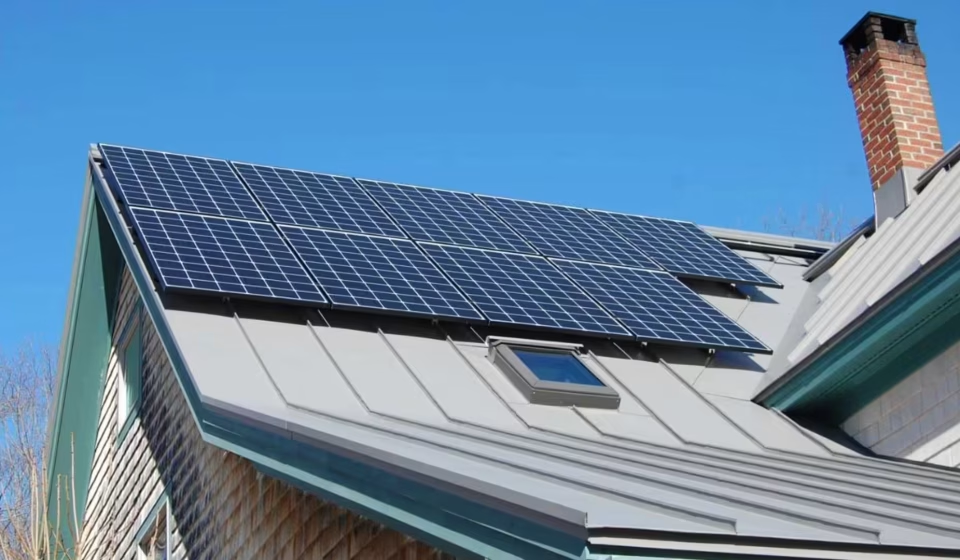
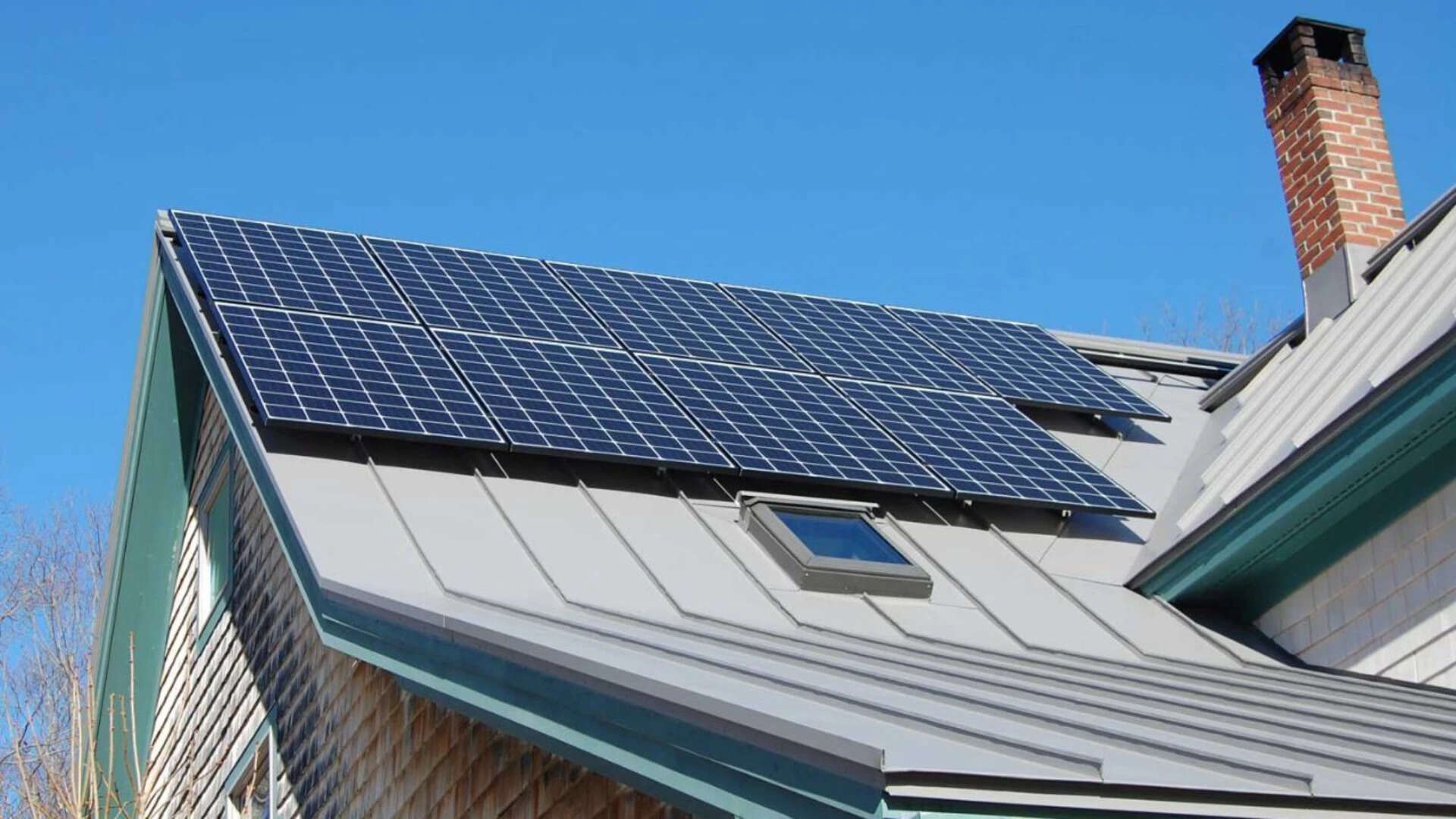
On August 2, 2006, the temperature in Massachusetts hit 99 degrees with 65% humidity. New Englanders cranked up their air conditioners and fans like never before, setting an all-time record for electricity use on the regional grid. Historically, New England has suffered from some of the highest retail electricity costs in the US. But about two years later, around 2008-2010, the area began investing in rooftop solar panels.Driven by plummeting hardware costs, aggressive state policy mandates and high regional electricity prices, many homes installed them on their roofs. A decision made all those years ago, has now benefitted the people immensely.

CJP Jantar Mantar Protest Updates

According to a new report from Acadia Center, during the heat wave that hit New England between June 28 and July 4, distributed solar projects contributed more than six gigawatts in electricity, saving ratepayers about $130-$149 million collectively.On July 2 alone, the report found that solar arrays saved $39 million to $54 million and solar contributed more power to the grid than the region’s nuclear fleet that afternoon. The Acadia Center analysis found that the region’s rooftop solar was, at times, feeding about 25% of all electric demand. “The grid soaks it up,” and that means “other resources don’t have to burn during those hours of production,” saving other ratepayers money because they don’t have to buy those other fuel sources, said Jamie Dickerson, senior of climate and clean energy programs at the Acadia Center.“Between 2 p.m. and 7 p.m. on that hottest day of July 2, the distributed solar actually contributed more to the fuel mix than the region’s nuclear fleet,” he said. “Basically, we saw between 28% and 43% of daily costs were avoided by the distributed solar in the region,” he added.Rooftop-mounted solar, sometimes called “behind the meter” generation, provides power to offset energy use in individual homes and businesses. But excess electricity is sent onto the local grid, helping meet demand from nearby buildings. “It’s distributed solar, it is close to where the load is, you know the actual electricity consumption, that means that it effectively reduces the peak demand that is seen on the regional grid,” he added.Regional grid operator ISO-New England said in a release this summer that installed solar can reduce demand by more than 1,700 megawatts during normal weather conditions. Increased rooftop solar generation has shifted the hours of peak summer electric demand from the hottest part of the day around 4 pm into the early evening, according to ISO-NE.According to Dickerson, this is a clear economic case for the benefits of solar power. “If we hadn’t invested in these resources, we would have been even more exposed and overexposed to the fuel sources that are more volatile and more subject to the dramatic swings in prices during peak periods,” he said.He added that the benefits of solar are not confined to heat waves like the one seen in New England this month. In fact, the Acadia Center found that last year solar energy saved $1.26 billion to $1.37 billion. “These are resources that we’ve invested in that are there and will show up on the grid during these types of hotter summers and El Niño summers,” Dickerson said. “We’re going to see savings year-round, but especially in the summer with higher temperatures that we’re seeing.”Dickerson said that other energy efficiency improvements in the region, like better insulation, weatherization and more efficient appliances, also helped ratepayers save on energy costs during the heatwave. The report estimated that those passive resources saved ratepayers $94 million to $97 million during the week. That includes an estimated savings of $29 million on July 2.Dickerson said these savings are hard to show since it requires calculating what costs would have been without solar power. But he hoped that the report can highlight the impact of solar and refute the narrative that clean energy is driving prices up. Especially as the Trump administration pulls back support for clean energy, and state and local leaders must consider the future of those investments.“This is hopefully helping to make the argument that these are not only good for all of our public policies around emissions reductions, but also good economic energy affordability policies too,” Dickerson said.



Source link

Author

admin

Follow Me
Other Articles
Previous

Aging may not be the real reason humans die: This hidden DNA damage could decide how long you live; study suggests |

Next

‘Rajesh Khanna wanted divorce from Dimple Kapadia, but she refused, had big demands,’ says his live-in partner Anita Advani as she opens up on her plea in court seeking recognition: ‘Sab kuch hamare naam kardo’ | Hindi Movie News

No Comment! Be the first one.

Leave a Reply Cancel reply

Your email address will not be published. Required fields are marked *

Ram Temple donation theft row: UP govt reconstitutes SIT; IG Kiran S to lead probe | India News

Ram Temple donation theft row: UP govt reconstitutes SIT; IG Kiran S to lead probe | India News

July 25, 2026
Awais Ahmed: This Karnataka boy grew up in a village without the internet; today, his space-tech startup works with NASA: What Pixxel CEO Awais Ahmed’s parents invested in |

Awais Ahmed: This Karnataka boy grew up in a village without the internet; today, his space-tech startup works with NASA: What Pixxel CEO Awais Ahmed’s parents invested in |

July 25, 2026
‘Rajesh Khanna wanted divorce from Dimple Kapadia, but she refused, had big demands,’ says his live-in partner Anita Advani as she opens up on her plea in court seeking recognition: ‘Sab kuch hamare naam kardo’ | Hindi Movie News

‘Rajesh Khanna wanted divorce from Dimple Kapadia, but she refused, had big demands,’ says his live-in partner Anita Advani as she opens up on her plea in court seeking recognition: ‘Sab kuch hamare naam kardo’ | Hindi Movie News

July 25, 2026
New England began investing in rooftop solar panels in 2010. People saved $130 million in energy costs during the 2026 June-July heatwave | World News

New England began investing in rooftop solar panels in 2010. People saved $130 million in energy costs during the 2026 June-July heatwave | World News

July 25, 2026

About Us

We love WordPress and are here to provide you with professional-looking WordPress themes so you can take your website one step ahead. We focus on simplicity, elegant design, and clean code.

TG: Ads

About Us

Lorem ipsum dolor sit amet, consectetur adipiscing elit, sed do eiusmod tempor incididunt ut labore et dolore magna aliqua.

We love WordPress and we are here to provide you with professional-looking WordPress themes so that you can take your website one step ahead. We focus on simplicity, elegant design, and clean code.

Category

  • ଦେଶ ବିଦେଶ
  • ଜିଲ୍ଲା
  • ରାଜ୍ୟ
  • ଓଡିଶା
  • ରାଜନୀତି
  • ଅର୍ଥନୀତି
  • ବାଣିଜ୍ୟ
  • ଅପରାଧ
  • ଖେଳ

Useful Links

  • ରାଜ୍ୟ
  • ଦେଶ ବିଦେଶ
  • ଜିଲ୍ଲା
  • ଓଡିଶା
  • ରାଜନୀତି
  • ଅର୍ଥନୀତି
  • ବାଣିଜ୍ୟ
  • ଅପରାଧ
  • ଖେଳ
  • Privacy Policy
  • Contact Us
  • About Us
  • Terms of Use
Copyright 2026 — Koshal Sambad. All rights reserved. SSWPL