
It once sold two out of every five phones on Earth: How a company that started by making rubber boots became a global phone icon before losing it all in just seven years |

130 countries and a name that everyone remembered, that’s how successful Nokia once was. The Finnish company that spent its first century making rubber boots, toilet paper, cables and gas masks reinvented itself in the 1990s as the world’s dominant mobile phone maker, controlling roughly a third of global handset sales by 2000. But within the next seven years, it lost almost all of it. The collapse was not about the missing iPhone, but a lesson in what happens when a company stops listening to its own engineers.At its height, Nokia sold more than 400 million phones annually. Its share in global handset sales peaked near 40% around 2007. But in 2014, the company’s handset business was sold to Microsoft for about $7.2 billion, a fraction of what it had once been worth and then, disappeared.
The rubber-boot years
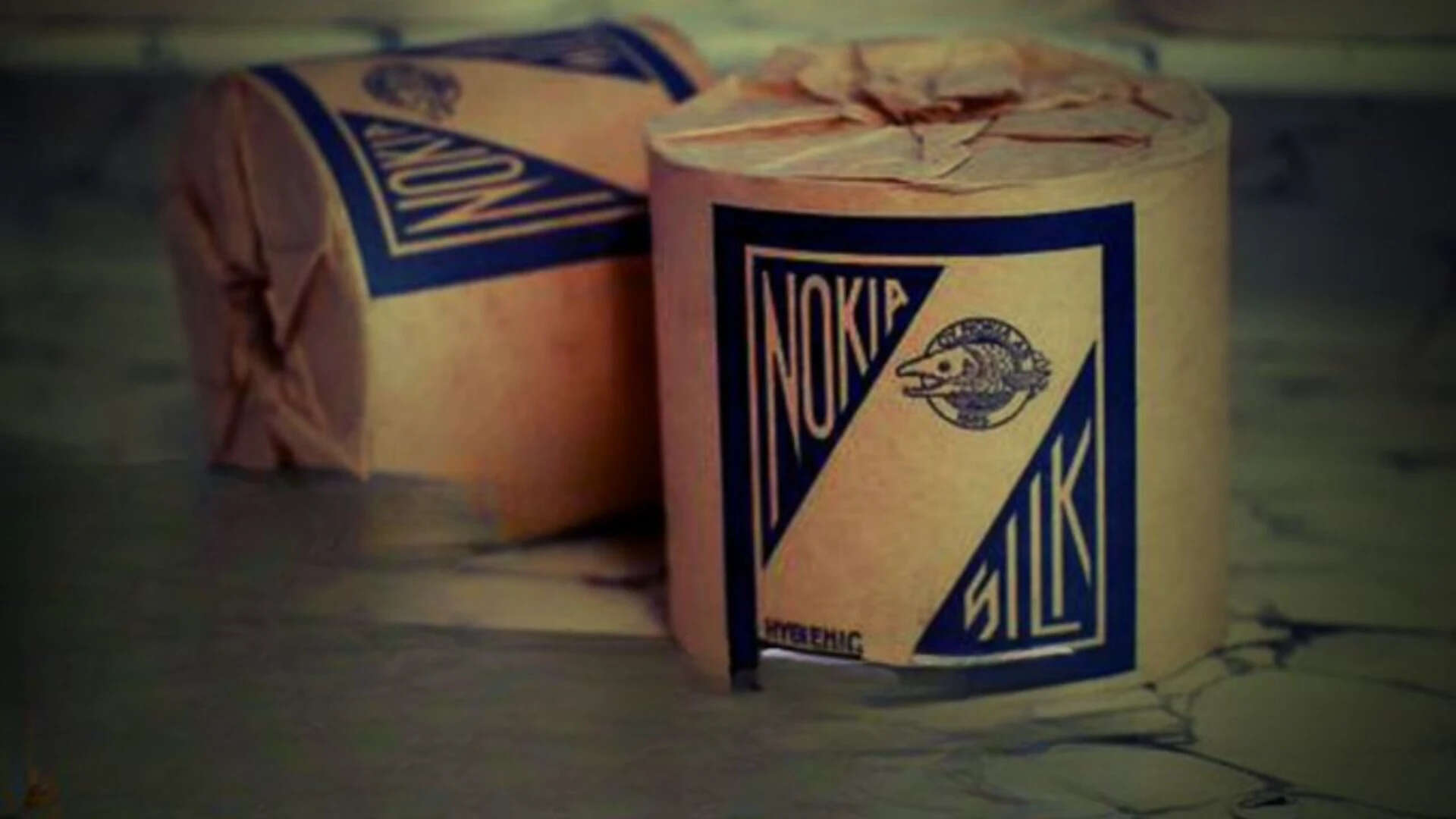
Paper, rubber goloshes sold across the Soviet Union, bicycle tyres, cables for the Finnish telephone network, televisions and more, Nokia made it all
The story of Nokia begins in 1865 on the banks of the Tammerkoski rapids in southwestern Finland where a mining engineer Fredrik Idestam, built a groundwood pulp mill. He set up a second mill beside the Nokianvirta river and the town, along with the company, took its name from here.For the next hundred years Nokia was a conglomerate of things you could touch. Paper, rubber goloshes sold across the Soviet Union, bicycle tyres, cables for the Finnish telephone network, televisions and more. During the Cold War, it manufactured gas masks for the Finnish army.Then in the 1960s, Nokia’s cable division began experimenting with radio transmission. By 1979 the company had set up Mobira, a joint venture with the Finnish television maker Salora, to build car phones for the Nordic Mobile Telephone network, the world’s first international cellular system, launched in 1981 across Sweden, Norway, Denmark and Finland.
Towards phones
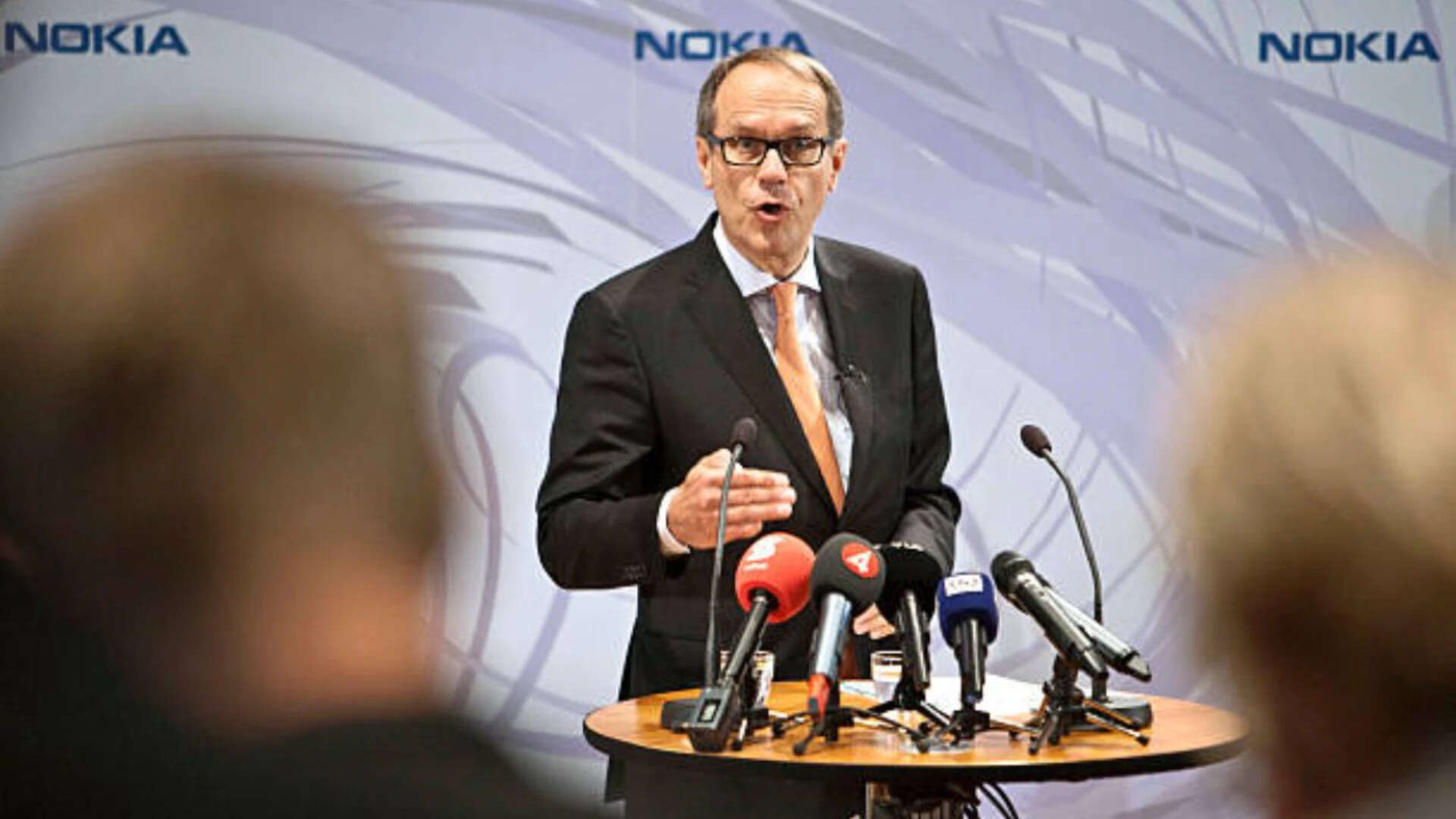
The man who reinvented the future of the company and the world was Jorma Ollila
The man who reinvented the future of the company and the world was Jorma Ollila, a young banker who was handed the mobile phones division in 1990 and then became the CEO of the whole group in 1992. His entry began with a test. Soviet Union, Nokia’s largest export market had just collapsed, the rubber and paper divisions were bleeding money and the company’s stock was trading near historic lows. The Finnish banks that owned much of the company wanted a fire sale.But Ollila made a bet that changed everything. He sold off the boots, the tyres, the televisions, the cables, the toilet paper, everything, and staked the company on GSM, the new European digital cellular standard that had just been ratified in 1987. Finland happened to be one of the first countries to license GSM networks commercially, giving Nokia’s engineers a live testbed most rivals couldn’t match.And, the gamble worked. Launched in November 1992, the Nokia 1011 was the first mass-market GSM handset. In 1994, the 2110 followed with the now-famous Nokia ringtone, a part of a Francisco Tarrega guitar piece from 1902. By 1998 Nokia had passed Motorola to become the world’s largest mobile phone maker. In 2000, at the height of the dot-com bubble, its market capitalisation briefly touched €303 billion, making it the most valuable company in Europe.The Nokia 3310, released that same year, became the phone of a generation, with around 126 million units sold, an object durable enough that its indestructibility became an internet joke that outlived the company that built it.
Success at the peak
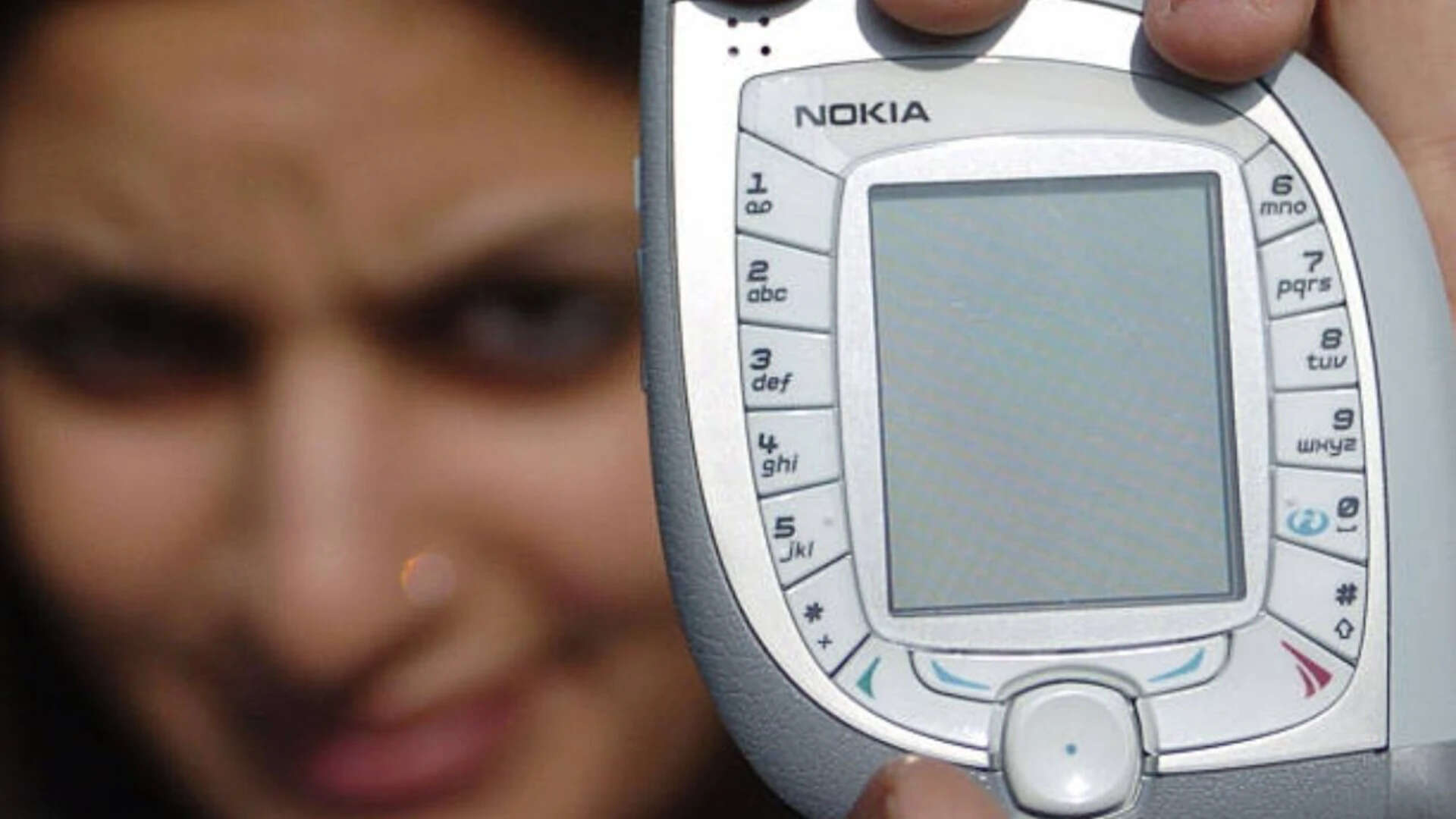
By 2007, it was shipping roughly 435 million phones a year and holding close to 40% of the global market in the fourth quarter.
According to a report from Silicon Canals, from 1996 to 2006, Nokia remained untouchable due to its industrial logistics. The company’s supply chain could ship more than a million handsets a day to over 130 countries, it had manufacturing plants across the globe in Salo, Bochum, Fort Worth, Manaus, Beijing and Chennai. It negotiated component prices and ran a design language that included soft-cornered, easy-in-the-hand, one-thumb navigation. By 2007 it was shipping roughly 435 million phones a year and holding close to 40% of the global market in the fourth quarter.It was at the centre of the nation’s economy. According to a study by the Research Institute of the Finnish Economy (ETLA), Nokia accounted for about 4% of Finnish GDP at its peak, paid nearly a quarter of all Finnish corporate tax, and drove roughly a fifth of the country’s exports. It was the largest company on the Helsinki Stock Exchange.
A fall down the rabbit hole
By 2004, Nokia’s own engineers had a working touchscreen smartphone prototype with internet browsing. A team in Tampere had built an early internet tablet, the Nokia 770, in 2005. The company’s research lab spent several billion dollars a year on research.The prototypes died inside the building. In a peer-reviewed study of Nokia’s decline published in Administrative Science Quarterly in 2016, Timo Vuori of Aalto University and Quy Huy of INSEAD traced the failure to fear rather than incompetence. As per the study, Symbian, Nokia’s operating system, had been designed for feature phones with tiny memory and limited processing power, and retrofitting it for touch, apps and full-web browsing was a nightmare. Engineers were aware of this and executives were told a softer version of this truth. Vuori and Huy documented how top managers, afraid of competitors and shareholders, pressured middle managers without fully revealing how severe the external threat was, while middle managers, afraid of their superiors, filtered out the worst news before it reached the top.In the end, the leadership remained optimistic about Nokia’s dominance in the tech world while their base had begun to crack.
Touching the iPhone
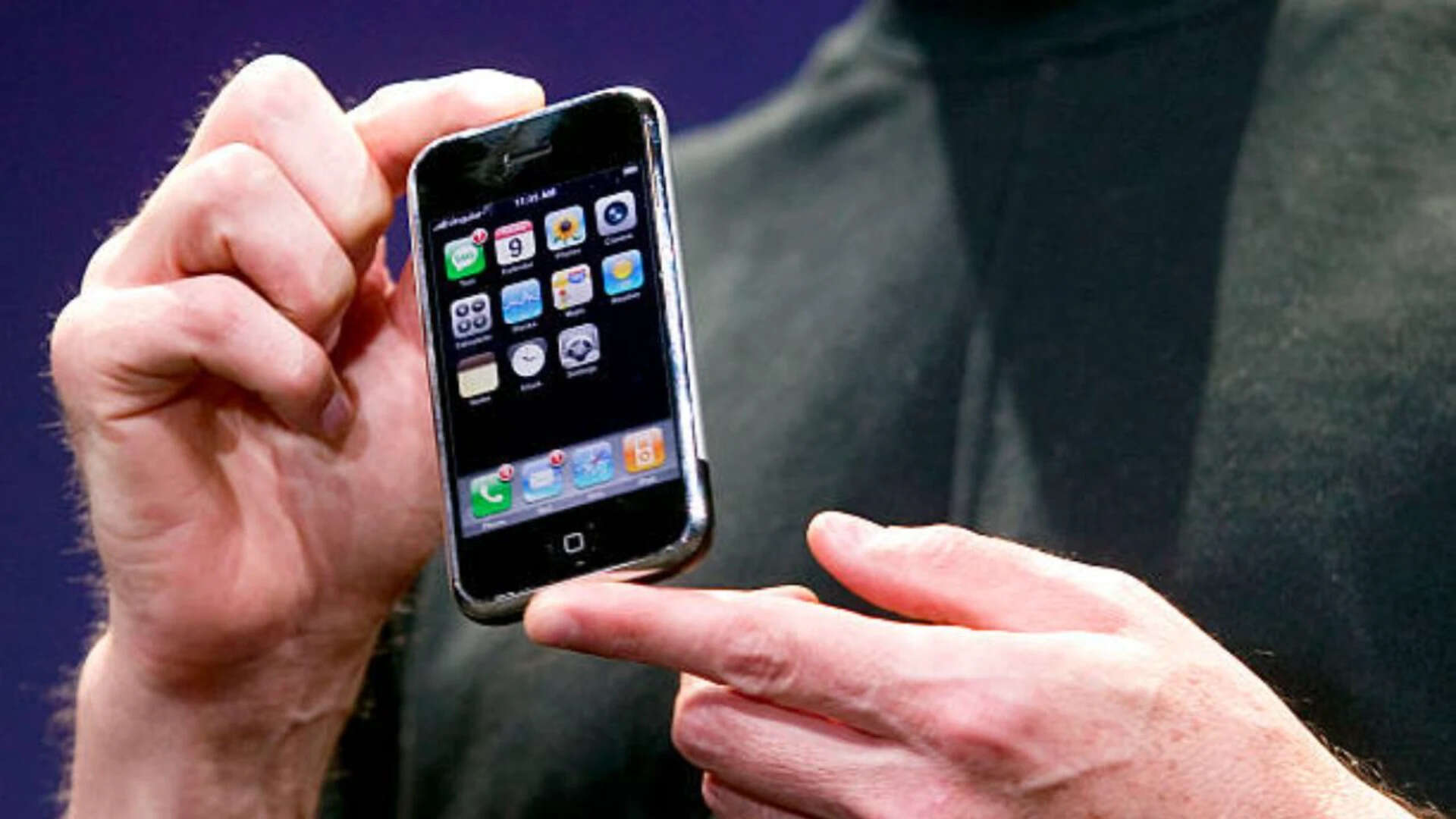
On January 9, 2007, Steve Jobs walked onto the Macworld stage in San Francisco and announced the iPhone.
On January 9, 2007, Steve Jobs walked onto the Macworld stage in San Francisco and announced the iPhone. The initial reaction inside Nokia’s Espoo headquarters was scepticism. The device had no physical keyboard, its battery life was mediocre, it launched exclusively on one US carrier, AT&T and cost $499 subsidised. The numbers seemed to back the calm: Nokia sold about 437 million phones in 2007, while Apple sold just 1.4 million iPhones that year, most of them in the final quarter.But the relief was misplaced. Apple had essentially built a pocket computer in a small phone, running a modern operating system. When the app store opened in July 2008, the definition of a mobile phone changed. Google’s Android, given away free to any handset maker willing to take it, marked the second attack on Nokia’s armour.Nokia eventually launched the Ovi Store in 2009, almost a year after Apple’s App Store and months after Google’s Android Market. By then, the battle had shifted from who made the best phone to who had the strongest software ecosystem. Ovi Store suffered from inconsistent user experience, slow performance, limited app discovery and a cumbersome developer approval process. At the same time, Symbian itself had been designed for feature phones rather than touch-based smartphones, making it difficult for developers to build modern applications. Nokia’s later decision in 2011 to abandon Symbian for Microsoft’s Windows Phone forced developers to start over once again, causing many to leave the platform entirely.Clayton Christensen had described this exact sequence a decade earlier in The Innovator’s Dilemma (1997). Incumbents optimise their existing products for their best customers. New entrants arrive with something that looks worse on the incumbent’s dimensions, battery life, call quality, price, but better on a dimension the incumbent isn’t measuring: software, a developer platform, a touch interface. By the time the incumbent notices, the ground has already moved.Olilla stepped down as CEO in 2006 and his successor, Olli-Pekka Kallsvuo tried to fix Symbian and shipped a series of touchscreen handsets, the 5800 XpressMusic and the N97. But reviewers found it sluggish and awkward compared to the sleek iPhone. Even market share began to slide down in 2010. In September 2010 the board hired Stephen Elop, a Canadian executive from Microsoft, as the first non-Finnish CEO in Nokia’s history. Five months later Elop sent an internal memo, the “burning platform” memo, comparing Nokia’s position to a man standing on a blazing oil rig, forced to jump into freezing water. Days later he announced Nokia would abandon Symbian entirely and adopt Microsoft’s Windows Phone as its primary smartphone platform.Existing Symbian sales collapsed as retailers stopped stocking a discontinued platform, and the new Lumia devices — well-built hardware running an operating system consumers didn’t want, never gained popularity. Nokia’s smartphone share fell from roughly a third of the market in 2010 to under 3% by 2013.In September 2013 Microsoft agreed to buy Nokia’s handset business for €5.44 billion, and the deal closed in April 2014. A little over a year later, in July 2015, Microsoft wrote down the acquisition by $7.6 billion and laid off most of the former Nokia workforce. The Nokia phone brand was licensed out to HMD Global, a Finnish startup, in 2016.Nokia isn’t completely history. The parts that hadn’t been sold to Microsoft, the network equipment business, the mapping division and the patent portfolio transformed into the new Nokia, headquartered still in Espoo. It completed its acquisition of the French-American telecoms giant Alcatel-Lucent in 2016 and today competes with Ericsson and Huawei to build 5G and 6G network infrastructure. It employs around 75,000 people but nobody is building phones. The company that had once sold two of every five phones on Earth, as a manufacturer of them, is finished.