
Skip to content
-
Subscribe to our newsletter & never miss our best posts. Subscribe Now!
  • ଦେଶ ବିଦେଶ
  • ଜିଲ୍ଲା
  • ରାଜ୍ୟ
  • ଓଡିଶା
  • ରାଜନୀତି
  • ଅର୍ଥନୀତି
  • ବାଣିଜ୍ୟ
  • ଅପରାଧ
  • ଖେଳ
  • ଦେଶ ବିଦେଶ
  • ଜିଲ୍ଲା
  • ରାଜ୍ୟ
  • ଓଡିଶା
  • ରାଜନୀତି
  • ଅର୍ଥନୀତି
  • ବାଣିଜ୍ୟ
  • ଅପରାଧ
  • ଖେଳ

Archives

  • July 2026

Categories

  • Uncategorized
  • ଓଡିଶା
  • ଦେଶ ବିଦେଶ
  • ଦେଶ ବିଦେଶ
  • ଜିଲ୍ଲା
  • ରାଜ୍ୟ
  • ଓଡିଶା
  • ରାଜନୀତି
  • ଅର୍ଥନୀତି
  • ବାଣିଜ୍ୟ
  • ଅପରାଧ
  • ଖେଳ
Subscribe
Close

Search

ଦେଶ ବିଦେଶ

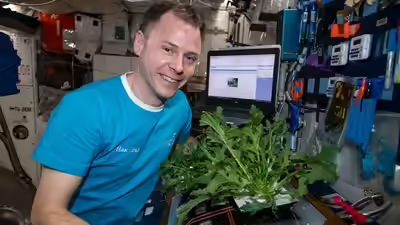
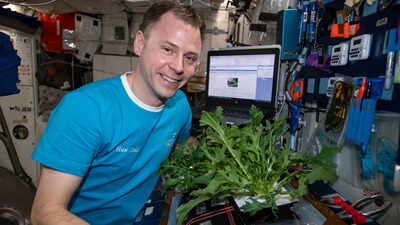
NASA has grown plants in space for years: New research says the next step is growing medicines, starting with a tobacco and a virus

By admin
July 23, 2026 2 Min Read
0
Spread the love


NASA has grown plants in space for years: New research says the next step is growing medicines, starting with a tobacco and a virus

Astronauts heading to Mars will be gone for roughly 400 days, and everything they need has to travel with them or arrive ahead of them. Food is the problem everyone talks about. The bigger one might be the medicine cabinet. More than half the pharmaceuticals stocked on the International Space Station expire within three years—well short of the window a Mars crew would need them for. Expired drugs aren’t just weaker. They can turn toxic.A new study out of the University of California San Diego proposes a workaround that sounds almost absurdly simple: grow the medicine on the way. Researchers cultivated a plant virus with therapeutic properties in a lab setup engineered to mimic microgravity, and the results suggest astronauts could one day farm their own pharmaceuticals mid-flight instead of watching a supply cabinet slowly go bad.

How UC San Diego grew cowpea mosaic virus on tobacco and black-eyed pea plants in simulated microgravity

The virus in question is cowpea mosaic virus, or CPMV, which has shown promise in prompting the human immune system to attack cancer cells. The UC San Diego team grew it on two hosts—Nicotiana benthamiana, a cousin of the tobacco plant, and Vigna unguiculata no. 5, better known as the black-eyed pea. The pea plant is the interesting one. It grows the virus and produces edible food, which makes it a two-for-one on a spacecraft where every square centimetre is contested.To simulate weightlessness, the plants sat on a random positioning machine that tumbled in three dimensions, driven by a custom Python script running on a Raspberry Pi. Harvesting was the clever part. Instead of destroying the plant, engineers pulled apoplastic fluid from the leaves using a vacuum, then spun it in a centrifuge to isolate the viral extract. The ISS already has a lab-grade centrifuge on board.

Blood clots, cut-short missions and why medical emergencies on the ISS make Mars pharmaceuticals urgent

They have already happened. A NASA astronaut was found to have a blood clot during a routine ultrasound in 2018 and was put on enoxaparin to prevent a pulmonary embolism. More recently, astronaut Mike Fincke’s medical emergency cut his ISS mission short. Motion sickness, headaches, and urinary tract infections are routine. On Mars, there is no early return flight—only what the crew can grow.



Source link

Author

admin

Follow Me
Other Articles
Previous

NFL Free Agent Rumors: Philadelphia Eagles could sign $198M Washington Commanders player and it’s not Bobby Wagner or Deebo Samuel | NFL News

Next

Were Lamine Yamal and his girlfriend Inés García Santos recently spotted at luxury stores as many question their relationship? | International Sports News

No Comment! Be the first one.

Leave a Reply Cancel reply

Your email address will not be published. Required fields are marked *

NIA arrests absconding PFI district chief in Kerala’s Sreenivasan murder case | India News

NIA arrests absconding PFI district chief in Kerala’s Sreenivasan murder case | India News

July 23, 2026
US unveils fresh tariffs of up to 12.5% on 60 economies amid ‘forced labour’ probe; India gets lower 10% rate

US unveils fresh tariffs of up to 12.5% on 60 economies amid ‘forced labour’ probe; India gets lower 10% rate

July 23, 2026
Thousands of idle ships trapped near the Strait of Hormuz could become floating nurseries for invasive marine species and spread them worldwide when trade resumes |

Thousands of idle ships trapped near the Strait of Hormuz could become floating nurseries for invasive marine species and spread them worldwide when trade resumes |

July 23, 2026
Horoscope Today: Daily astrological predictions for July 24, 2026

Horoscope Today: Daily astrological predictions for July 24, 2026

July 23, 2026

About Us

We love WordPress and are here to provide you with professional-looking WordPress themes so you can take your website one step ahead. We focus on simplicity, elegant design, and clean code.

TG: Ads

About Us

Lorem ipsum dolor sit amet, consectetur adipiscing elit, sed do eiusmod tempor incididunt ut labore et dolore magna aliqua.

We love WordPress and we are here to provide you with professional-looking WordPress themes so that you can take your website one step ahead. We focus on simplicity, elegant design, and clean code.

Category

  • ଦେଶ ବିଦେଶ
  • ଜିଲ୍ଲା
  • ରାଜ୍ୟ
  • ଓଡିଶା
  • ରାଜନୀତି
  • ଅର୍ଥନୀତି
  • ବାଣିଜ୍ୟ
  • ଅପରାଧ
  • ଖେଳ

Useful Links

  • ରାଜ୍ୟ
  • ଦେଶ ବିଦେଶ
  • ଜିଲ୍ଲା
  • ଓଡିଶା
  • ରାଜନୀତି
  • ଅର୍ଥନୀତି
  • ବାଣିଜ୍ୟ
  • ଅପରାଧ
  • ଖେଳ
  • Privacy Policy
  • Contact Us
  • About Us
  • Terms of Use
Copyright 2026 — Koshal Sambad. All rights reserved. SSWPL