

Diabetic Retinopathy: India’s diabetes burden is creating another problem: The growing threat to eyesight

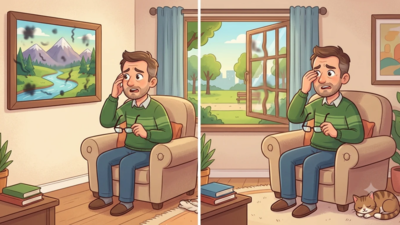
A person can be reading this story clearly, driving to work, watching television and using a phone normally, while diabetes may already be damaging the blood vessels at the back of the eye.That is what makes diabetic eye disease particularly difficult to spot. Diabetic retinopathy can develop without pain or obvious changes in vision in its early stages. By the time blurred vision, dark spots or floaters appear, damage to the retina may already be significant.And with diabetes becoming increasingly common in India, the concern is no longer limited to blood sugar, heart health or kidney disease. The eyes are another part of the body that can pay the price of prolonged uncontrolled blood glucose.The ICMR-INDIAB national study, published in The Lancet Diabetes & Endocrinology, estimated that 11.4% of Indian adults had diabetes and another 15.3% had prediabetes. The study analysed data from more than 113,000 people across India. Researchers also found that diabetes was more common in urban areas than rural areas.For the eyes, one of the biggest concerns is diabetic retinopathy.
What happens inside the eye?
The retina is the light-sensitive layer at the back of the eye. It needs a steady blood supply, which comes through a dense network of tiny blood vessels.Persistently high blood sugar can damage these vessels. They may swell, leak fluid or blood, and in more advanced disease, abnormal blood vessels can develop. This can affect the retina and eventually threaten vision.“Chronic uncontrolled blood sugar can damage the minute blood vessels providing blood supply to the retina, which is responsible for vision in the eye,” said Dr Mahipal Singh Sachdev, Chairman and Managing Director, Centre for Sight Group of Hospitals.The problem is that the damage does not necessarily announce itself immediately.A national survey conducted across 21 districts in India found diabetes in 11.8% of people aged 50 years and above in the surveyed population. The study also assessed diabetic retinopathy and sight-threatening diabetic retinopathy, highlighting the scale of the eye-care burden among people living with diabetes.
The eye may not hurt when damage begins
This is one of the most easily missed parts of diabetic eye disease.“By the time a patient notices blurred vision, dark spots and floaters in their eyes, significant damage could have already been done to the retina,” said Dr Abhishek Dave, Principal Consultant – Ophthalmology, Max Super Specialty Hospital, Noida.Early diabetic retinopathy may cause no noticeable symptoms. That means waiting for vision to become blurry is not a reliable way to know whether the retina is healthy.As the condition progresses, people may experience blurred or distorted vision, dark spots or floaters, difficulty seeing at night and, in severe cases, sudden vision loss.Diabetes can also increase the risk of other eye problems, including cataract and glaucoma, adding to the potential impact on vision.
The longer diabetes stays uncontrolled, the greater the concern
The risk is not simply about having diabetes for a short period. Duration of the disease and the degree of blood-sugar control matter.Research from the Chennai Urban Rural Epidemiology Study found that for every five-year increase in diabetes duration, the risk of diabetic retinopathy increased about 1.89 times. The same study found that for every 2% increase in HbA1c, the risk increased by a factor of about 1.7.This is why blood sugar is not the only number people with diabetes need to keep track of. Blood pressure and cholesterol also matter.“Those who have diabetes should control their blood sugar and blood pressure by means of necessary medication, a healthy diet, and physical activity,” Dr Dave said.
Why an eye test matters even when vision seems fine
A routine eye examination can detect changes that a person cannot see or feel themselves.Dr Sachdev recommends that people with diabetes keep track of blood sugar, blood pressure and cholesterol, while getting their eyes examined as frequently as advised by their doctor.“The most important thing though is that people with diabetes should not postpone visiting the doctor until they have eye problems,” Dr Dave said. “A regular eye doctor visit at least once a year can reveal any changes in the patient’s health and prevent vision loss.”The exact frequency of screening can vary depending on the type of diabetes, duration of disease, existing retinal changes and other health factors. People who have already been diagnosed with diabetic retinopathy may need more frequent monitoring.
Much of the serious vision loss can be prevented
The frightening part of diabetic retinopathy is its ability to remain hidden. But that also points to one of the biggest opportunities: early detection.Diabetic retinopathy does not automatically mean that a person will lose their sight. Blood-sugar and blood-pressure control, regular medical care and timely retinal screening can help reduce the risk of severe vision loss. Treatment options are also available when retinal disease is detected.For India, the challenge is particularly large because diabetes itself affects millions of adults and is continuing to expand across different parts of the country. The ICMR-INDIAB study found that diabetes prevalence varied substantially between states and warned that the epidemic was still increasing in many parts of the country.So the next time someone with diabetes says, “My eyesight is perfectly fine, so I don’t need an eye check-up,” that may be exactly when the check-up matters most.The retina does not always send an early warning.And sometimes, the first sign that something is wrong is not what a person sees, but what an eye examination finds before they notice anything at all.