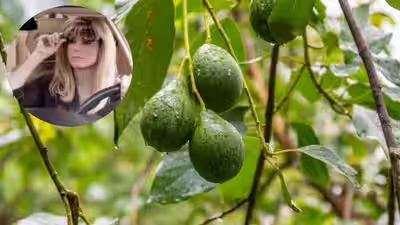
In 2007, Sandra Bullock paid $2.725 million for 91 acres near San Diego; she renovated the adobe ranch and built an organic farm with about 1,200 avocado trees before selling the property for $5.6 million

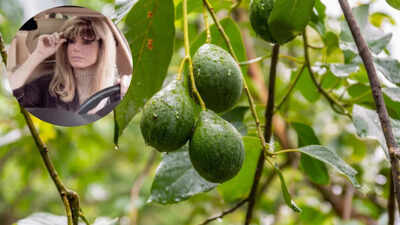
In 2007, Sandra Bullock paid $2.725 million for 91 acres of rolling land in the hills of Valley Center, a rural community northeast of San Diego. Over the next decade, she renovated the adobe ranch house, added a guest cottage and barn, and planted an organic farm with roughly 1,200 avocado trees. The property, which she used as a weekend retreat and working farm, sold in 2024 for $5.6 million, according to Mansion Global and Architectural Digest. Read more details about it, as per the reports, here:
A quiet ranch in the North County backcountry
The 91-acre ranch sits in Valley Center, an unincorporated area in northern San Diego County known for its open space, equestrian properties and avocado groves. The landscape is defined by rolling hills, oak trees and wide views across the countryside. For Bullock, the property offered a place to escape the pace of Los Angeles and focus on a quieter, more grounded lifestyle. Mansion Global reported that the original home is a Spanish-style adobe ranch built in 1976. When Bullock purchased the land, the house and outbuildings needed significant updates. She set about renovating the main residence, preserving its rustic character while modernising key systems and finishes. The result was a home that felt rooted in the region’s architectural traditions but comfortable for contemporary living.Beyond the house, the property includes a guest cottage, a barn and other outbuildings that support both residential and agricultural use. Those structures allow the ranch to function as a working farm as well as a private retreat. For Bullock, the combination of land, buildings and views created a setting where she could relax, entertain and pursue her interest in sustainable farming.
Building an organic avocado farm
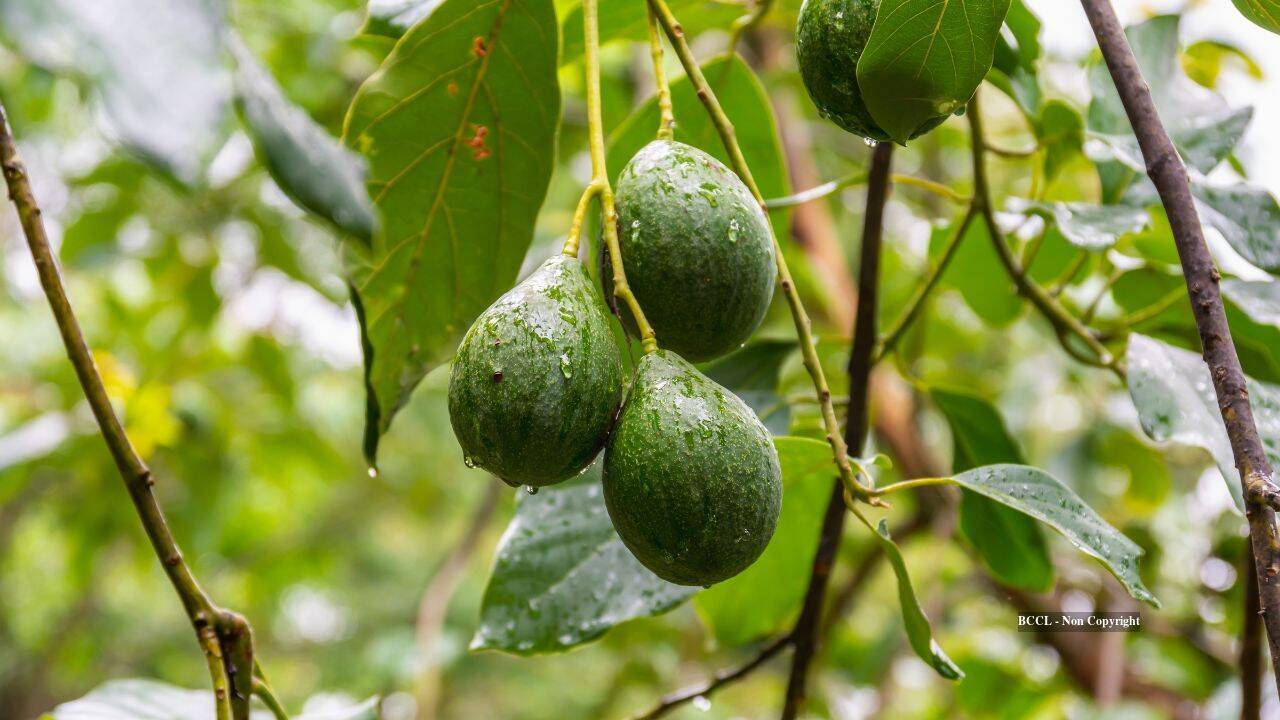
avocados
One of Bullock’s major investments on the property was the development of an organic avocado farm. She planted about 1,200 avocado trees across the 91 acres, creating one of the larger certified organic groves in the area. The farm is managed as a working agricultural operation, with irrigation systems, access roads and maintenance infrastructure designed to support long-term production.For the unversed, avocado farming in San Diego County is both a tradition and a business. The region’s climate and soil are well suited to the crop, and many local properties combine residential use with small-scale agriculture. By planting a certified organic grove, Bullock aligned the farm with a growing market for sustainably produced food while also maintaining the land in active use rather than leaving it idle.The avocado trees are more than just an investment. They are part of a lifestyle that values connection to the land and the rhythms of growing seasons.For Bullock, who has spoken publicly about her interest in organic food and sustainable living, the farm offered a way to put those values into practice. The grove also adds economic value to the property, as a producing farm can generate income and reduce maintenance costs.
Renovations that honoured the original character
The main house was renovated with an eye toward preserving its original adobe character. Thick walls, exposed beams and traditional materials were preserved wherever possible, but interiors were updated to meet modern standards. The end result is a home that feels authentic to its time and place but is functional for a family that spends weekends and holidays on the ranch, according to Mansion Global. A guest cottage provides additional space for visitors or staff, while a barn and other outbuildings facilitate agricultural operations and storage. These types of buildings are essential to a working farm, allowing for the safe and efficient storage of equipment, supplies and harvested fruit. Together, the buildings create a small compound that can accommodate both residential and farming activities, the report further noted. Landscaping around the home includes native plants, mature trees and open lawns that blend into the surrounding hills. The design prioritizes low water use and compatibility with the local environment, reflecting the same sustainable ethos that guided the avocado farm. For a property of this size, considered landscaping can make a big difference in both esthetics and long-term maintenance.
From purchase to sale
Bullock purchased the ranch in 2007 for $2.725 million, at a time when the San Diego backcountry was still relatively affordable compared to the coastal areas. Over the years she invested in renovations, infrastructure and the avocado grove, turning the property into a fully functioning farm and retreat. The sale for $5.6 million in 2024, according to reports from Architectural Digest and Mansion Global, is a profit of about $2.875 million on the purchase price, but does not include the costs of improvements, farming operations and upkeep. The property was listed through Compass, with agents emphasizing the combination of land, home and working farm. Marketing materials emphasised the 91 acres of rolling terrain, the organic avocado grove, the renovated adobe ranch and the potential for continued agricultural use or private estate living. For buyers interested in a large, self-contained property with both residential and farming potential, the ranch offered a rare opportunity in the San Diego region. The sale comes as Bullock continues to maintain other properties, including homes in Los Angeles and elsewhere in California. The Valley Center ranch was never her primary residence, but rather a weekend and holiday retreat where she could focus on family, friends and the land.Its sale marks the end of that chapter, though the farm itself will continue as a working avocado grove under new ownership.
A property that blended lifestyle and agriculture
The Valley Center ranch is an example of how a celebrity property can serve multiple purposes. It was a private escape from public life, a place to host family and friends, and a working farm that produced food and income. That combination is not common in high-profile real estate, where many properties are designed primarily for luxury living rather than agricultural production. For Bullock, the ranch was a way of living more simply and connecting to the land; the avocado grove needed regular care and tending, but it also gave him a tangible connection to the cycles of nature. Those rhythms can be grounding for someone whose professional life is dominated by film schedules, press tours and public appearances. The sale does not diminish the role the property played in her life over nearly two decades. It was a place where she could step away from the spotlight, tend to trees, watch the seasons change and enjoy the quiet of the North County backcountry. For the next owner, the ranch offers a similar opportunity to combine residential living with the rewards and responsibilities of managing a working farm.