
The cancer risks you breathe, chew and drink: Oncologist shares why India cannot ignore tobacco, alcohol and air pollution |

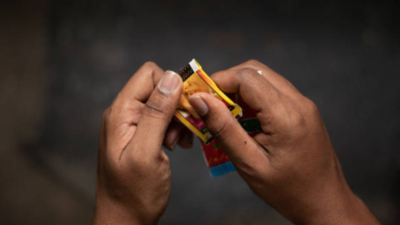
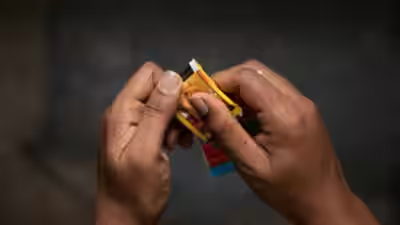
Cancer risk is not always due to an unhealthy lifestyle, sometimes it hides in small packets. A packet of gutkha in a shop, a cigarette between two fingers, a drink at the end of a long day, and the grey air hanging over a city street. These may look like completely different things. But there is a common thread running through them: all can expose the body to substances linked to cancer.That matters in India, where more than 14 lakh new cancer cases were estimated in 2022, along with nearly 9.2 lakh cancer deaths, according to the International Agency for Research on Cancer (IARC). The Indian Council of Medical Research (ICMR), had estimated the number of incidences of cancer cases to be more than 14 lakhs in 2023 in India.When cancer prevention comes up, the usual advice is familiar: eat better, exercise, maintain a healthy weight and get screened when recommended. All of that matters. But prevention is also about looking at what people breathe, smoke, chew and drink.And in India, three exposures deserve far more attention: tobacco, alcohol and air pollution.
India’s tobacco problem does not always look like a cigarette
It can be a bidi. A pouch of gutkha. Khaini tucked into the cheek. Zarda mixed into paan. Smokeless tobacco is particularly important in the Indian context because these products are widely used and can expose the mouth to cancer-causing chemicals for long periods.The World Health Organisation (WHO) estimates that nearly 267 million adults aged 15 and above in India used tobacco in 2016-17, equivalent to about 29% of adults. Smokeless tobacco was the most common form, with products such as khaini, gutkha, betel quid with tobacco and zarda widely used.The consequences show up in India’s cancer numbers. According to GLOBOCAN 2022, lip and oral cavity cancers accounted for about 1.44 lakh new cases in India, making them the country’s second most common cancer category overall. Among Indian men, lip and oral cavity cancer was the most commonly diagnosed cancer, with nearly 1.08 lakh cases.A 2024 IARC analysis found that smokeless tobacco and areca nut use were linked to about 1.20 lakh oral cancer cases worldwide in 2022. Of these, 83,400 were in India.That is why cancer prevention in India cannot treat tobacco simply as a smoking issue.“Tobacco remains one of the most important avoidable causes of cancer in the country,” says Dr Rakesh Sharma, Medical Oncologist, MOC Cancer Care, Gurugram. “The problem extends far beyond cigarettes. Bidis, gutkha, khaini and other smokeless tobacco products contribute substantially to cancers of the oral cavity, throat, lung and several other organs.”Tobacco smoking is linked to at least 20 different types of cancer, according to IARC.And quitting matters even after cancer has developed. IARC notes that quitting smoking after a cancer diagnosis can reduce the risk of cancer progression or death by about half, even in people with late-stage disease.
Alcohol is not just a liver problem
There is another misconception that can quietly shape everyday behaviour: that alcohol becomes a cancer concern only when someone drinks heavily. The science is less comfortable.Alcohol is classified as a Group 1 carcinogen by IARC. It is causally linked to cancers of the mouth, throat, voice box, food pipe, liver, colorectum and breast.In other words, the cancer conversation around alcohol goes far beyond the liver.WHO says there is no safe level of alcohol consumption in relation to cancer risk. The risk generally rises as consumption increases, but there is no clearly established threshold below which alcohol has zero cancer risk.Globally, alcohol was responsible for an estimated 741,300 new cancer cases in 2020, or about 4.1% of all new cancer cases that year, according to IARC.And then comes the combination that is particularly worrying in relation to cancers of the upper digestive and respiratory tract: alcohol plus tobacco.WHO notes that using tobacco and alcohol together multiplies the risk of cancers of the oral cavity, oropharynx, larynx and oesophagus compared with either exposure alone.“Alcohol is another underestimated carcinogenic exposure,” says Dr Sharma. “The combination of alcohol and tobacco is particularly concerning because the two can amplify each other’s harmful effects.”That makes prevention more complicated than simply telling people to eat more vegetables or exercise more. Some of the biggest gains may come from reducing exposure to known carcinogens in the first place.
Then there is the risk you cannot simply choose to avoid
Tobacco and alcohol involve individual choices, although addiction, social circumstances and access to cessation support can make those choices far from simple.Air pollution is different.You can decide not to light a cigarette. You cannot always decide what is in the air outside your home, workplace or school.Fine particulate matter, particularly PM2.5, can penetrate deep into the lungs. Long-term exposure to outdoor and indoor air pollution is recognised as a risk factor for lung cancer. IARCalso identifies outdoor air pollution as carcinogenic to humans.The scale of the wider air-pollution problem in India is enormous. The State of Global Air 2024 report estimated that air pollution was associated with about 2.1 million deaths in India in 2021, with PM2.5 accounting for the largest share of the global air-pollution disease burden.Not every one of those deaths was due to cancer, air pollution contributes to several diseases, including heart disease, stroke, chronic respiratory disease and lung cancer. But the numbers show why clean air belongs in a serious prevention conversation.And there is another important point: not every person who develops lung cancer is a smoker.Tobacco remains the principal risk factor for lung cancer globally, accounting for approximately 85% of cases, but IARC also lists outdoor and indoor air pollution, second-hand tobacco smoke, diesel exhaust, welding fumes and asbestos among other causes.That distinction matters in India, where air pollution can become a background exposure rather than something people consciously think about.
Prevention cannot stop at the doctor’s clinic
Cancer prevention is often discussed as though it begins when someone walks into a hospital.In reality, it starts much earlier.It can begin with preventing a teenager from taking up tobacco. It can mean helping an adult quit after years of chewing gutkha or smoking. It can mean making the link between alcohol and cancer more widely understood. And it can mean treating cleaner air as a health intervention rather than only an environmental one.“There needs to be a broader approach that combines stronger tobacco control, greater awareness of alcohol-related cancer risk, cleaner transport and industry, and sustained action to improve air quality,” says Dr Sharma.That does not make screening or early diagnosis less important.Some cancers cannot be prevented completely. Genetics, age, infections and other factors matter. But a significant part of cancer prevention lies outside the hospital , in reducing exposures that are known to cause disease.Because sometimes cancer prevention is not about adding one more healthy habit to your morning routine. It is about removing something harmful from the environment around you, or from a habit you have been told is harmless for far too long.