
Mojtaba Khamenei ‘pulled from rubble’ after US-Israeli strikes hit Tehran hospital: Report

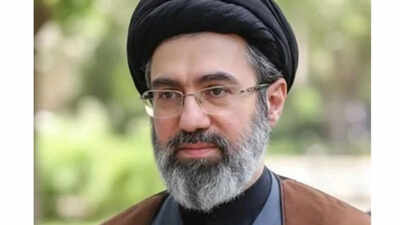
Iran’s supreme leader Mojtaba Khamenei was reportedly “pulled from the rubble” of a Tehran hospital after US and Israeli strikes hit the medical centre where he had been taken following earlier attacks, the New York Post reported.Mohsen Heydari, a member of Iran’s Assembly of Experts, made the revelation in an interview with Qatari television network Al Araby on Thursday.“Even after he had been wounded and taken to the hospital, three hospitals in Tehran were bombed,” Heydari said. Mojtaba Khamenei was in the third hospital and was pulled from the rubble,” he said.Speculation has continued over Mojtaba Khamenei’s condition following the earlier strikes. US intelligence reports had reportedly indicated that he was badly disfigured in the attacks.According to the report, Heydari also spoke about the process through which Mojtaba Khamenei was selected as Iran’s new supreme leader on March 8. He said Mojtaba apparently did not know he had been chosen until the announcement was broadcast on Iranian state television.The Assembly of Experts, which is responsible for selecting Iran’s supreme leader, was itself reportedly targeted in the strikes. The New York Post reported that its Qom Secretariat was bombed, killing eight people and destroying reports and recommendations related to the selection of a new supreme leader.Heydari said members of the Assembly subsequently recorded their votes on paper before being summoned to a secret room for the selection process. He recalled being the first member to propose Mojtaba Khamenei’s name.“Given the enemy’s position, we will choose and elect no one as leader and supreme guide of the Islamic Republic except Ayatollah Mojtaba Khamenei,” Heydari said.“We obtained information that Mojtaba Khamenei was healthy and able to lead, and we determined that he met the requirements of religious qualification, justice and competence to manage the country,” he said.Heydari also described Mojtaba Khamenei as a “man of the shadows”, saying he had not held any political position within the Iranian state before becoming supreme leader, although he had reportedly served as an adviser to his father.