“The first lesson began with nail cutters”: How an 82-year-old educator brought school to a Tamil Nadu tribal hamlet and helped 50+ children dream beyond farm labour

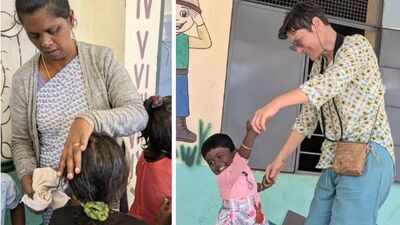
An unusual education initiative in Kodaikanal’s Kombai-Perungadu tribal settlement is changing how children and families think about schooling. Instead of beginning with textbooks, teachers first arrived with nail cutters, hygiene lessons and conversations with parents. The initiative, called “School on Wheels”, was started in 2024 by My School Satya Surabhi to reach children who had limited access to education. The school’s own website confirms that the programme began with 25 children and combines education with hygiene, nutrition, life skills and community engagement. Today, the programme has reached more than 50 first-generation learners. Around 20 to 25 children have also moved from the Saturday sessions into full-time schooling, giving them an opportunity to spend more time learning instead of being drawn into farm work. As reported by The Better India.
When education began with trust, hygiene and self-care
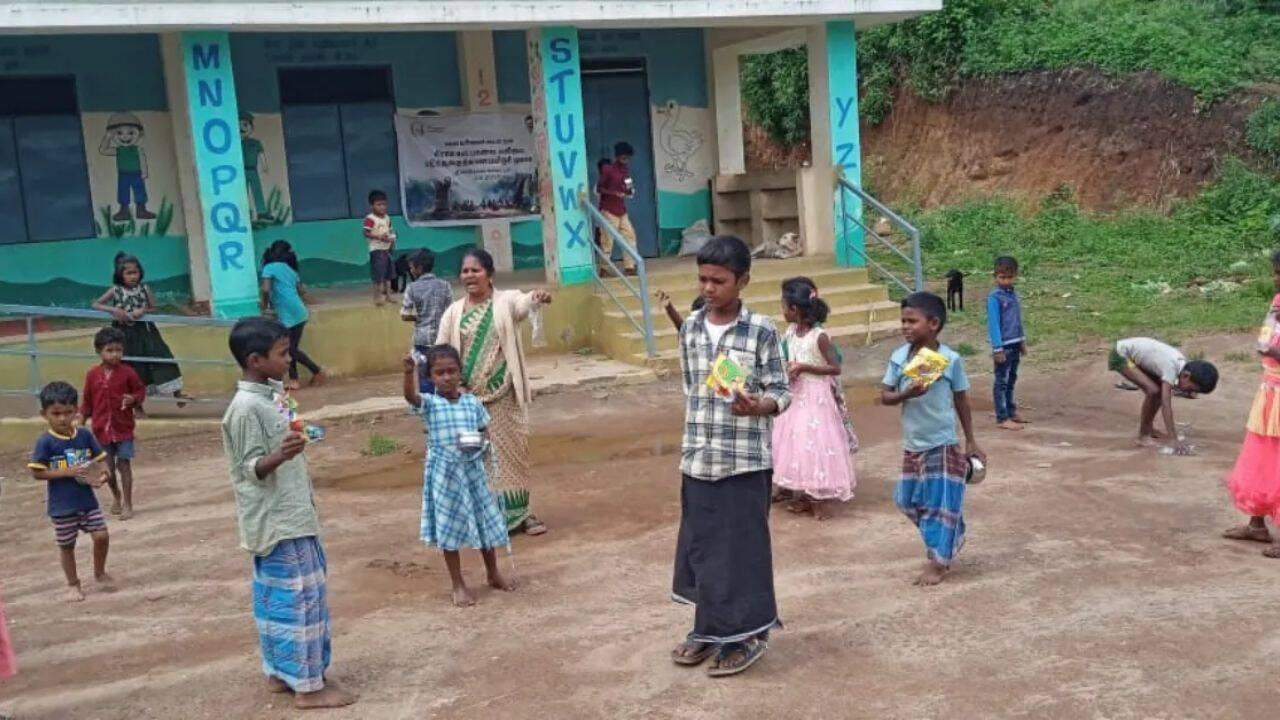
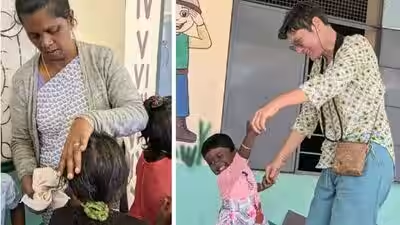
For educator Padmini, the journey to Kombai was not simply about taking lessons to children. It was about understanding why many of them were not attending school in the first place. The Better India reported that many families in the area depend on farming, honey collection and other forms of daily labour. For some families, children helping in the fields could bring in much-needed income. Padmini explained, “Children are often used for farm labour. They earn Rs 100-200, and for their families, that is very valuable. Even more than education.” The school initially invited children to attend its main campus, but transportation costs made this difficult for families. The solution was simple but powerful: instead of asking children to travel to education, the teachers would take education to them.“School on Wheels” was born. However, the teachers soon realised that academics could not be the first step. When they began visiting the settlement, some parents were hesitant to send their children. Teachers spent months visiting homes and speaking to families before the children became comfortable with them. “We would go to each and every house to talk to the parents and bring the children for the programme. It took up to 2-3 months for them to get familiarised with us and only then could we begin,” a teacher told The Better India. The first lessons were therefore about cleanliness and self-care. “We decided not to start with A B C D or Tamil or maths,” explained Jegatheeshwari Markam. “During the first few weeks, we literally just took nail cutters with us and trimmed their nails. We talked about cleanliness, about washing hands and eating well.” Only after that foundation was established did reading, writing and arithmetic become part of the sessions.
From a Saturday class to a chance at a different life
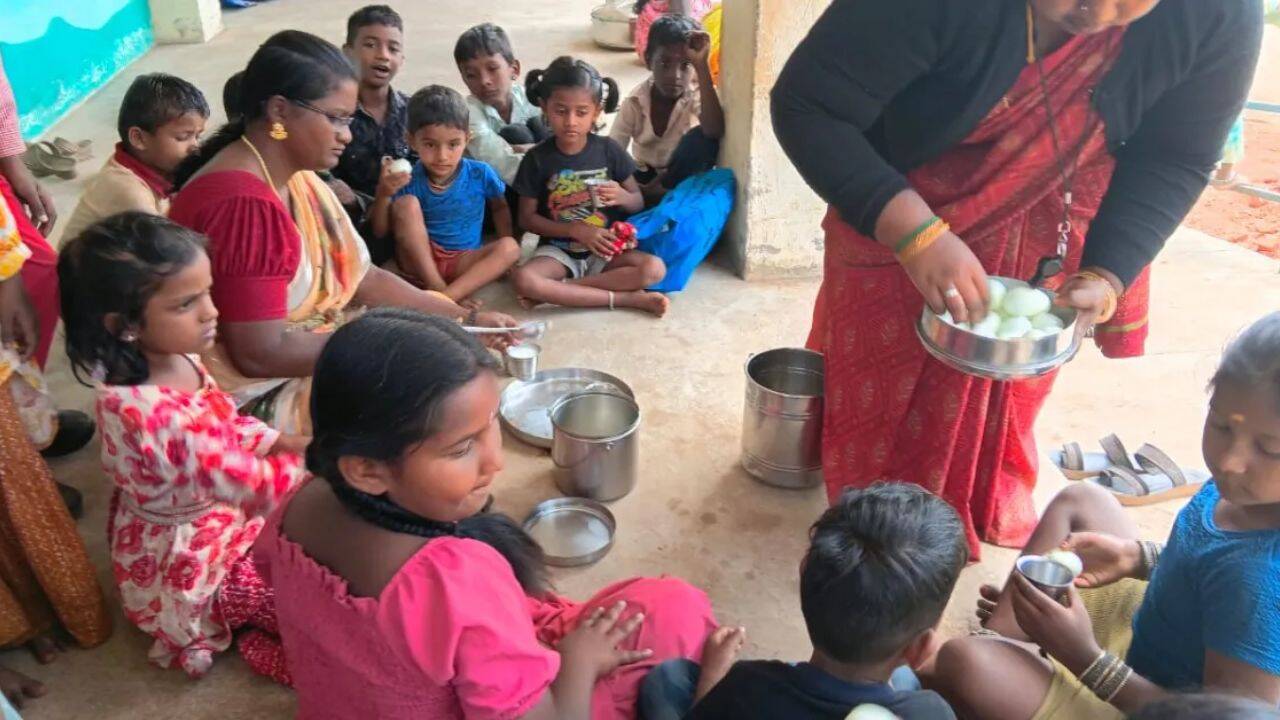
What began with around 25 children has grown into a programme serving more than 50 first-generation learners. The official school website says the weekly programme now includes reading, writing and numeracy alongside games, songs, stories, hygiene education, health awareness, nutrition and activities such as art and sports. The approach reflects Padmini’s larger philosophy of education. My School Satya Surabhi, which she helped establish in 1999, provides free education to children from underprivileged rural communities. The school describes its approach as holistic, combining academics with values, creativity, hygiene, civic awareness, sports and other activities. Padmini believes education should stay with a child long after the classroom lesson is over.“What you need is basic good-quality education. That’s the keyword,” she said. “Not just entering the class and the teacher says something and the child forgets. It should become an imprint on the child. Then automatically the child will seek perfection.” That philosophy can be seen in the way lessons are planned for the Kombai children. A simple seed, for example, can become a lesson in biology, mathematics, geography, agriculture and climate. The aim is not merely to make children memorise information but to encourage them to ask questions and understand how different subjects connect. For children who have grown up around farms, even familiar things can become a doorway to learning.
When children and parents begin dreaming together
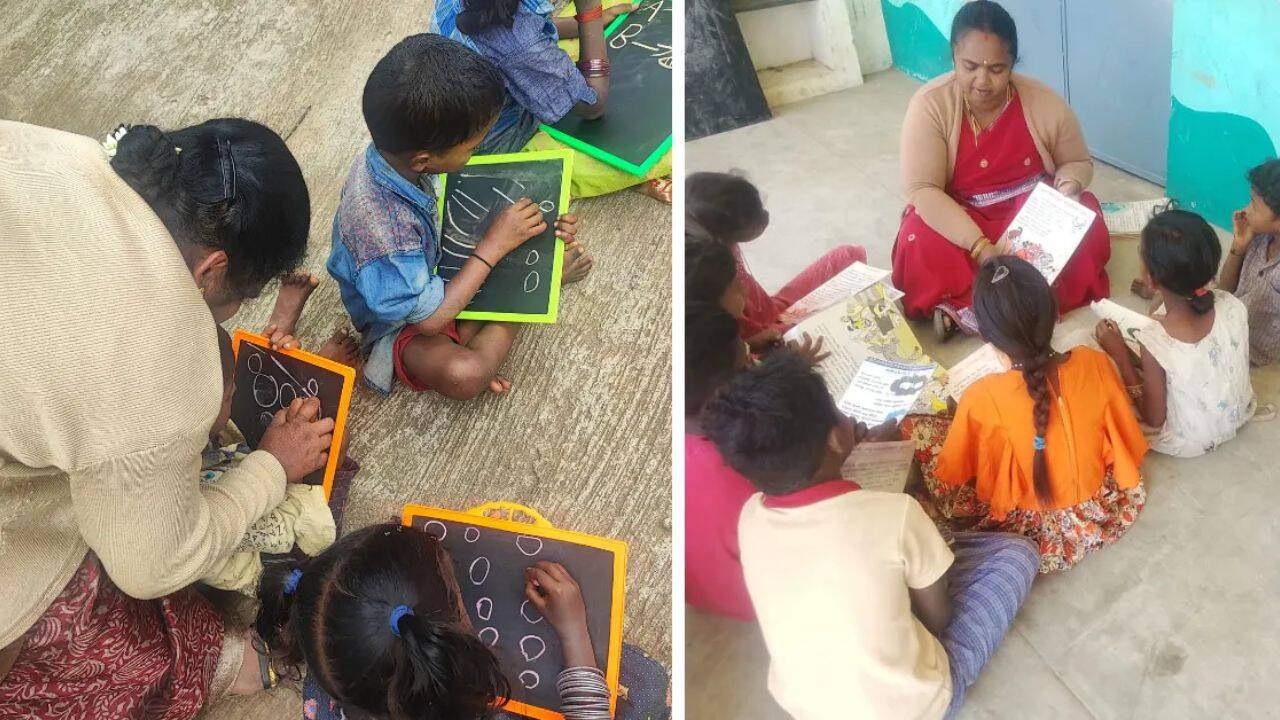
Perhaps the most moving change has been the way education has begun reaching beyond the children themselves. The Better India reported that some adults from the community, who had never attended school, also began participating in the sessions. One elderly man, believed to be in his 70s or 80s, approached a teacher because he wanted to learn how to write his name. “He must be in his 70s or 80s. It was so admirable to watch him be so eager to learn,” Jegatheeshwari said. Parents, too, have gradually become more involved. Some who initially hesitated now accompany their children to the sessions, while others have started learning alongside them.One mother, Mahalakshmi, who works in the fields, described what the experience has meant to her: “Now, I can recite the alphabets and even know two tables. I feel happy. My children have learnt the importance of cleanliness and they are studying very well. Now, they come home eagerly and teach me all that they learnt in school that day.” Her words capture what the initiative has achieved beyond its numbers. For Padmini, every child does not need to follow the same path. “You must have a passion for what you’re doing,” she said. “Not every child can become an IAS. So the person who becomes a sweeper should be the best sweeper. The best farmer should be the best. In the field that they choose, they should shine the best.” And perhaps that is the real lesson of Kombai. The children are not simply being taught how to read or count. They are being given something their circumstances may never have offered them before: the confidence to imagine a future of their own choosing. As Padmini puts it, “I’m a constant learner. Learning should only stop at death.”