
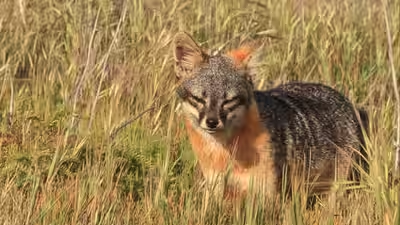
In 1999, just 15 island foxes remained on each of two California islands; captive breeding and ecosystem restoration pulled the species back from extinction

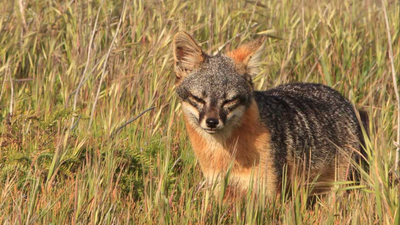
In 1999, conservation biologists monitoring California’s northern Channel Islands faced a serious crisis. Only 15 island foxes remained on San Miguel Island and another 15 on nearby Santa Rosa Island, leaving the small native species close to extinction. An emergency recovery program launched by Channel Islands National Park and partner organisations helped save the animals. Through captive breeding, predator removal and habitat restoration, the island fox made one of the fastest wildlife recoveries in American conservation history.
Environmental chain reaction causes collapse
The rapid decline of the island fox, a housecat-sized relative of the mainland grey fox found nowhere else in the world, was caused by changes humans had made to the island ecosystem. According to information published by the National Park Service, widespread use of DDT during the mid-20th century caused major declines in local bald eagle populations. Bald eagles mainly eat fish and other marine animals, so they defended island territories without posing a major threat to the foxes. After bald eagles disappeared from the islands, golden eagles moved in from the mainland and took over the empty ecological space. The golden eagles established breeding populations on the islands, helped by non-native feral pigs that had been introduced in the 19th century. The pigs provided a steady supply of food for the golden eagles. The eagles then began hunting the small, active-in-daylight island foxes, which had few natural defenses against attacks from above. By the late 1990s, fox numbers had fallen by more than 90 per cent across the northern islands.
Captive breeding and predator relocation
To prevent the species from disappearing, biologists from the National Park Service and the U.S. Fish and Wildlife Service took major action beginning in 1999. Field teams collected the few remaining wild foxes on San Miguel and Santa Rosa and moved them into protected captive-breeding facilities on the islands. Biologists carefully managed breeding pairs to maintain genetic diversity among the isolated populations. At the same time, wildlife managers worked to address the main cause of the fox deaths. From 1999 to 2006, teams captured 44 golden eagles across the island chain and moved them to northeastern California to reduce the threat to the foxes. To stop the golden eagles from returning, conservation agencies also removed thousands of non-native feral pigs from Santa Cruz Island. This eliminated an important food source that had supported the large birds. Bald eagles were later brought back to the islands to reclaim their former territories and help prevent golden eagles from returning.
Federal delisting and population recovery
Once golden eagle predation had been reduced, captive-bred foxes were gradually released back into the wild. The released animals survived at high rates and quickly began reproducing in the wild. National Park Service data shows that by 2011, fox numbers on San Miguel had moved back toward recovery targets. By 2015, adult populations had reached about 700 on San Miguel and nearly 1,200 on Santa Rosa. In 2016, the U.S. Fish and Wildlife Service removed three northern Channel Island fox subspecies—from San Miguel, Santa Rosa and Santa Cruz—from the Federal Endangered Species List. The recovery was described as the fastest recovery of any mammal protected under the U.S. Endangered Species Act.
Ongoing monitoring and protection
Although wild fox populations have returned to sustainable levels, wildlife managers continue to use strict biosecurity measures across Channel Islands National Park. According to updates from the Friends of the Island Fox working group, fox numbers naturally change depending on rainfall, food supplies and population density. On San Miguel Island, the adult population was around 322 animals in 2024, a level considered healthy for the island’s available resources. Because isolated island populations remain especially vulnerable to introduced diseases, National Park Service field teams continue to carry out annual capture-and-release surveys. They also give wild foxes vaccines against canine distemper and rabies to help protect them from possible disease outbreaks arriving from the mainland.