

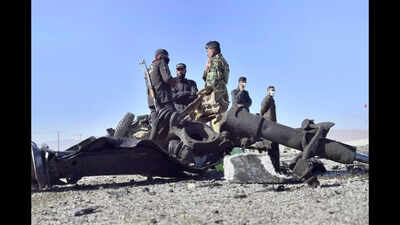
With fatalities among security personnel crossing the 1,000 mark, 2026 is turning out to be one of the deadliest years in Pakistan since the South Asian Terrorism Portal (SATP) began keeping records in 2000. In terms of fatalities among security forces, which include the army, Frontier Corps (FC) and police (including levies), Pakistan’s security situation continues to deteriorate, with the country recording over a thousand violent incidents between January 1 and September 15, 2026, according to SATP. More than 650 civilians were killed in terrorist and other violent incidents in the same time frame. After 2025 and 2009, with 1,012 security forces fatalities, this is the third deadliest year for Pakistani forces so far.As per the data compiled by the portal, 2009 was the deadliest year in Pakistan, in which 11,317 people were killed in violent militant incidents. Since then the numbers have come down, although there has been a significant rise in 2025, with 4,001 fatalities reported. Up to September 15 of this year, 3,693 fatalities have been reported. As per the figures available, nearly 78,000 individuals, including militants, have been killed in these violent incidents.Balochistan and Khyber Pakhtunkhwa have emerged as the principal theatres of violence, with insurgent groups repeatedly targeting security installations, convoys and government facilities. In August alone, around 190 attacks were reported, followed by about 15 incidents in the first five days of September, according to the report. The figures underline the scale of the challenge facing Islamabad as it attempts to contain multiple militant threats across its western provinces.Incidents of violence have been on the rise after a brief period of relative calm from 2018 to 2022. They have continued rising since 2022, just a year after the Taliban took over Afghanistan. An offshoot of the Taliban, known as Tehreek-e-Taliban Pakistan, has since been fighting to unite the Pashtun areas on both sides of the Durand Line, the border between the two countries. The line, named after Sir Henry Mortimer Durand, was created after the Second Anglo-Afghan War and has been a bone of contention, first between Afghanistan and the British Empire, then between Kabul and Islamabad. The TTP also wants to establish Sharia rule in the areas it seeks to govern in the Khyber Pakhtunkhwa province of Pakistan.Another area of great concern for the Pakistanis is the restive province of Balochistan. This resource-rich province has been in the news for years over large-scale terror attacks by Baloch insurgents. The Baloch have been attacking rail and road infrastructure across the province, carrying out Improvised Explosive Device (IED) attacks and ambushes. The Baloch insurgents have also carried out multiple attacks on the Jaffar Express, which connects the provincial capital of Quetta with the rest of the country.