
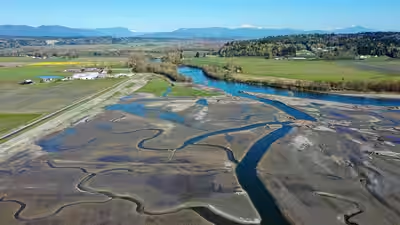
In 2009, Washington removed a century-old dike and let tides reclaim 762 acres; 21 miles of channels reopened, and young Chinook salmon entered the restored marsh in their first migration season

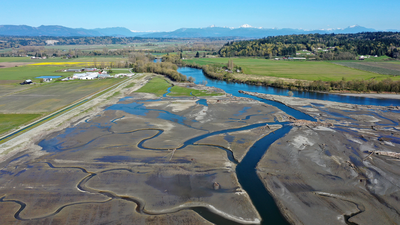
Tidal water flowed back into the Nisqually River Delta for the first time in nearly a century after conservationists removed a large network of sea dikes, quickly reopening miles of historic estuary habitat for threatened Pacific salmon. In autumn 2009, workers removed 4.5 miles of earthen dikes built in the early 1900s to turn the land into farmland. The work restored natural tidal flows across 762 acres of estuarine marsh at the Billy Frank Jr. Nisqually National Wildlife Refuge, making it the largest coastal wetland restoration project in the Pacific Northwest. Removing the barriers also reconnected 21 miles of historic tidal channels with Puget Sound. Within months, young Chinook salmon were found entering the newly flooded marshes during their spring migration towards the sea. The project was led by the US Fish and Wildlife Service in partnership with the Nisqually Indian Tribe and Ducks Unlimited. The goal was to help reverse long-term declines in Puget Sound Chinook salmon by restoring important nursery habitat where young fish could feed, grow and adjust to saltwater.
Restoring the estuary engine
For more than 100 years, the Brown Farm Dike had blocked Puget Sound tides, turning rich coastal wetlands into enclosed freshwater farmland. While the change helped local agriculture, it badly damaged the natural function of the Nisqually Delta, which is the main transition area between the river’s freshwater and the saltwater of Puget Sound. Removing the dike allowed saltwater to mix with freshwater from the Nisqually River again, quickly changing the landscape. High tides flooded mudflats that had been buried for decades, while water flowing back out created new branching channels across the muddy flats. Long-term studies by scientists from the US Geological Survey, NOAA Fisheries and the Nisqually Indian Tribe examined what happened after the dike was removed. According to research published in the Transactions of the American Fisheries Society, young Chinook salmon quickly moved into the new channels and used the restored marshes for feeding and growth. Monitoring by the NOAA Northwest Fisheries Science Center under Project ID 39213019 recorded a major increase in food available to young salmon, including estuarine amphipods and insects. The growing network of channels also gave young fish places to hide from predators while they adjusted to life in saltwater.
Collaborative conservation across the watershed
The restoration was an important step in a decades-long effort by the Nisqually Indian Tribe and federal agencies to restore the entire Nisqually River watershed, from its source on Mount Rainier to Puget Sound. Before the 2009 project, more than 70 per cent of the delta’s historic intertidal habitat had been lost to farming and land reclamation. Restoring tidal flows to the 762 acres brought back more than 80 per cent of the river’s historic estuarine marshland. Project records from the US Fish and Wildlife Service also showed that restoring tides created important stopover habitat for migratory waterfowl travelling along the Pacific Flyway. Later surveys of estuaries around Puget Sound found that the Nisqually project created one of the largest additions of tidal channel length in the region in the previous three decades. The major changes created a more natural and varied habitat that could support larger numbers of young salmon than diked or channelised river mouths.
A model for coastal resilience
The recovery of the Nisqually River Delta has since become an important example for coastal restoration projects along the US West Coast. Scientists studying blue carbon have also used the site to examine how restored tidal marshes capture sediment and store carbon from the atmosphere over time. By replacing man-made barriers with natural water flows, the project showed that badly damaged estuaries can recover quickly when their connection to the tides is restored. Today, researchers continue to monitor the 21 miles of reopened channels. The data gives fisheries managers important information about how healthy estuaries can support the wider recovery of wild salmon populations in Puget Sound.