
In 2005, Virginia bought 431 waterfront acres for a future state park; 21 years later, the undeveloped land has been folded into another park with a 30-year plan

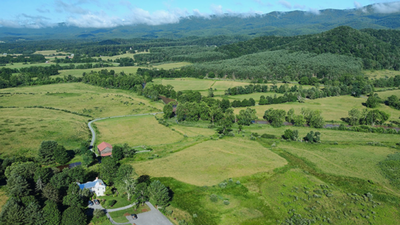
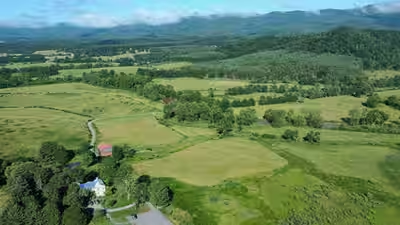
A 431-acre stretch of waterfront land in Gloucester County, Virginia, bought more than two decades ago to become a standalone state park, has officially been added to nearby Machicomoco State Park under a newly approved 30-year master plan. The state bought the undeveloped property in 2005 for what was then planned as Middle Peninsula State Park. Located next to the historic Rosewell ruins, the land will now become Machicomoco’s “Western Unit”. The change was formally approved in a master plan by the Virginia Department of Conservation and Recreation (DCR) in February 2026, according to the Gloucester-Mathews Gazette-Journal. Despite the new plan, the land remains behind locked gates, with no public access and no fixed date for development. The entire master plan also faces a major challenge: no funding has been allocated for the work.
Two decades of waiting along the York River
The story of the Western Unit began after a successful state bond referendum in 2002. Three years later, Virginia officials bought the 431-acre property, planning to turn the York River waterfront into the Middle Peninsula’s main state park. For years, the land remained untouched. The original 431-acre property and the land that later became Machicomoco both have strong historical links to the region. Both have large waterfront areas, were once homelands of the Powhatan confederacy, and were part of the large Rosewell plantation during the colonial period. Plans for the area changed significantly in 2018. A nearby 645-acre property known as Timberneck had once been planned for a housing development, with roads already built through the land. The Conservation Fund bought the Timberneck property in 2017, helping save it from commercial development. State officials approved plans for Machicomoco State Park the following year. Machicomoco opened in 2021 with hiking trails, camping areas, a day-use boat ramp, picnic shelters and educational exhibits focused on Native American history. The park welcomed more than 92,000 visitors in its first year and reached 114,617 visitors in 2023, according to figures in the DCR master plan. Meanwhile, the original 431-acre property remained closed and largely untouched.
A three-phase vision spanning 30 years
The newly approved master plan sets out a 30-year development plan divided into three 10-year phases covering both park sites. However, DCR public communications manager Dave Neudeck told the Gazette-Journal that no state funding has been set aside or spent to carry out the plan. Phase 1 focuses on basic infrastructure and safety needs. At the Western Unit, proposed work includes improving waterfront safety, adding parking areas, building trails, providing ADA-compliant access to a picnic area and constructing a maintenance facility. At Machicomoco’s original site, known as the “Main Unit”, Phase 1 would include adding electricity to existing yurts, creating trails through a longleaf pine management area, developing a native meadow viewshed, expanding parking and building a maintenance facility. The estimated cost of Phase 1 for both properties is $7,602,993 in 2024 dollars.
Long-term plans depend on state funding
If state lawmakers provide funding, Phase 2 and Phase 3 would bring larger developments. The master plan calls for a visitor centre, a nature-themed playground, a group campsite and a second full campground at the Main Unit. The Western Unit would receive a ranger residence and more trails. By Phase 3, planners hope to add a public fishing pier and picnic shelter at the Western Unit. The Main Unit would get a six-bedroom lodge, ten three-bedroom visitor cabins and more open outdoor areas and native meadows. Completing all three phases across both units over 30 years is expected to cost about $53.2 million in 2024 dollars. For now, signs on the gates of the Western Unit make clear that the public still has to wait. The vision laid out by the Virginia Department of Conservation and Recreation depends entirely on future state funding. As Neudeck said about when the public might finally be able to enter the original 2005 purchase, development will move ahead only “if funding becomes available.”