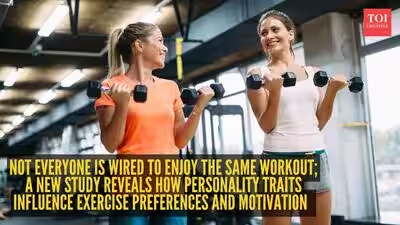
Not everyone is wired to enjoy the same workout; a new study reveals how personality traits influence exercise preferences and motivation

If you’ve ever tried to “get into fitness” only to quit after a few weeks, you’re not alone. Building a new exercise habit is hard – not just physically, but mentally. It’s not just about willpower; it’s about fit. If the way you move doesn’t match the way you’re wired, even the “perfect” workout plan can feel like a chore.That’s where personality comes in. A team of researchers in the UK recently explored a simple but powerful question:Do different personality types enjoy different kinds of workouts and intensities?Their answer was yes – and the patterns they found can help you choose exercise that feels more natural, instead of forcing yourself into something you secretly hate.Let’s break it down in human terms. The study in plain language: who participated and what they didThe researchers recruited over a hundred adults from the general public and asked them to complete an online questionnaire first. This included:– Basic demographic information– A perceived stress scale (how stressed they felt)– A short personality test based on the Big Five traits
The Big Five looks at five broad aspects of personality:
– Extraversion – outgoing, energetic vs. quiet, reserved– Agreeableness – cooperative, warm vs. more critical, direct– Conscientiousness – organised, disciplined vs. more spontaneous– Emotional stability / neuroticism – calm and resilient vs.more anxious, moody, reactive– Openness – curious, imaginative vs. more traditional, preference for routineAfter the online part, participants went into an exercise lab for baseline fitness tests. These included:– Body composition (ratio of lean tissue to fat)– Strength tests: pushups, planks, and vertical jumps– Aerobic capacity tests on a stationary bikeOn the bike, they did:– A low‑intensity ride– A high‑intensity ride to measure VO2peak (how well the body uses oxygen during intense exercise)After each session, they rated how much they enjoyed the exercise on a scale from 1 (not enjoyable) to 7 (extremely enjoyable). Then the researchers split them into two groups:Control group – kept their normal lifestyle and did short weekly stretching sessions.Intervention group – got a heart rate monitor plus an 8‑week home program with three different cycling workouts each week (low intensity, “threshold”, and HIIT), plus one weekly strength session with bodyweight exercises like squats, lunges, pushups and glute bridges. They rated how much they enjoyed each workout throughout the program.
What did personality predict before training even started?
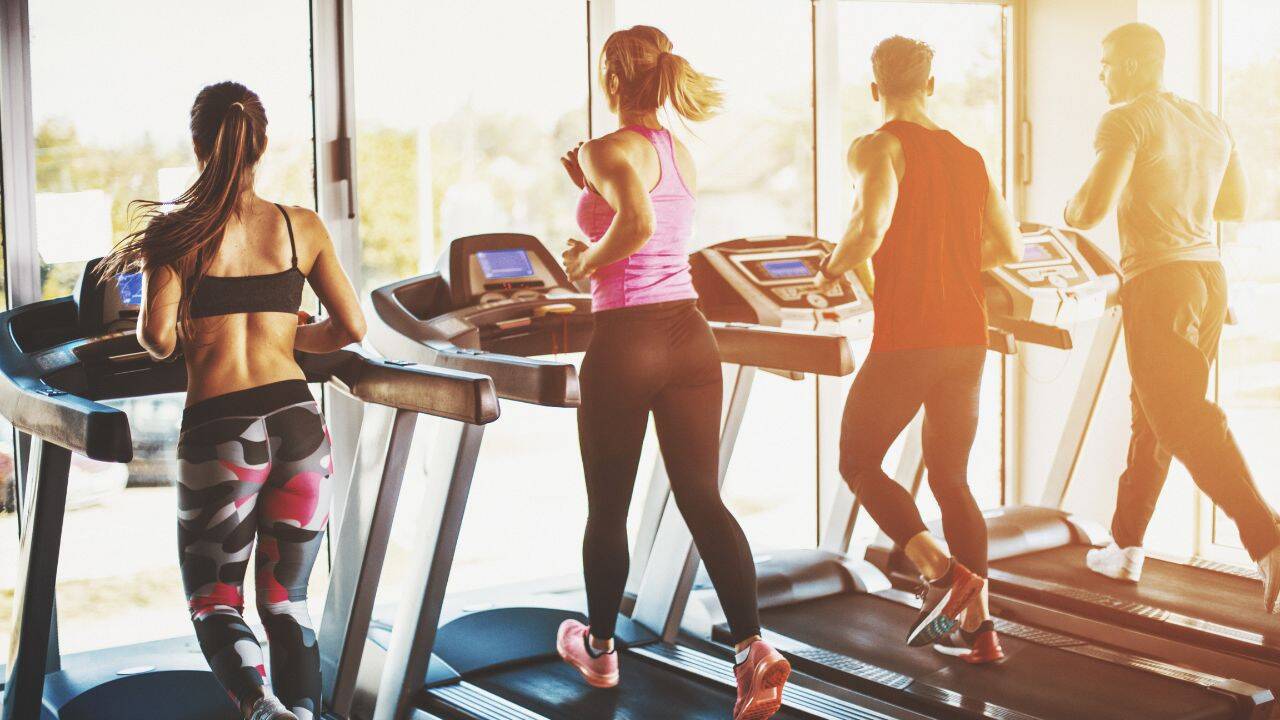
Even before the 8‑week program began, personality showed up in their fitness profiles. People high in extraversion tended to have higher VO2peak (better aerobic fitness), and higher anaerobic threshold and peak power output.People high in conscientiousness tended to do more weekly physical activity, complete more pushups and hold planks longer, and have lower body fat percentage.People higher in neuroticism (lower emotional stability) had slower heart rate recovery after exercise, meaning their bodies took longer to “calm down” after effort.Those who were already part of endurance clubs (like running groups) were more likely to be extraverted and conscientious.In simple terms:– The sociable, energetic folks often gravitated toward and performed better in endurance activities. – The organised, goal‑oriented types tended to be the ones already moving regularly and seeing health benefits.– Those more prone to stress and anxiety had bodies that took longer to settle after exertion.
Which personalities enjoyed which workouts?
The researchers also looked closely at exercise enjoyment, not just performance. Here’s where it gets interesting. People higher in neuroticism (more anxious, mood‑sensitive) reported less enjoyment of the low‑intensity lab session, and the medium‑intensity “threshold” ride.People higher in extraversion enjoyed the intense VO2peak test i.e. the HIIT (high‑intensity interval training) sessions.People higher in openness and agreeableness tended to enjoy the long, easy rides more.During the 8‑week program:Those with neurotic tendencies and those who were extraverted tended to enjoy the higher‑intensity workouts more than the lower‑intensity ones. Researchers suggested that for people with more anxiety, a short, intense HIIT session might actually feel better than a long, hard workout – because longer efforts leave more room for worry and negative self‑talk to creep in.In other words, if you:Love being pushed and feel buzzing after intense intervals, you may lean more extraverted.Find low‑intensity, drawn‑out efforts frustrating or anxiety‑provoking, you might have some neurotic traits and prefer short, focused bursts instead.Enjoy long, gentle sessions where you can settle into a rhythm, you may score higher in openness and agreeableness.How did personality affect participation and progress? Habits aren’t only about enjoyment. They’re also about showing up and sticking with the plan. Personality played a role here too:In the intervention group:Participants higher in neuroticism were less likely to record their heart rate data consistently.More extraverted participants were less likely to come back for post‑intervention testing.Those higher in openness were more likely to return for post‑testing. Despite these differences, there were some powerful shared outcomes:All participants in the intervention group, regardless of personality, showed:Increased weekly hours of exerciseImproved VO2peak and peak power output with more pushups and longer plank holds,So even if personality shaped their preferences and behaviour, nearly everyone who engaged with the plan got fitter.One especially interesting finding: People high in neuroticism were the only group to report a decrease in stress from the intervention. For them, regular structured exercise may have acted as a stress regulator, helping them feel calmer overall.
What this means for your real-life workout choices
The researchers summed it up simply: Different personality types tend to prefer and enjoy different kinds of workouts and intensities. That matters, because enjoyment is one of the biggest predictors of whether you’ll stick with a habit. So instead of forcing yourself into a “one size fits all” routine, you can use your personality as a guide:If you’re extraverted and thrive on energy: Try group classes, running clubs, team sports and HIIT sessions. Short, intense workouts may feel more rewarding and fun.If you’re conscientious and goal-driven: Structured plans like marathon training, progressive strength programs or long-term fitness challenges may suit you. You’re likely to follow through when you have a clear target.If you’re higher in neuroticism (more anxious or self-critical): Short, intense sessions like HIIT might feel better than long, grinding workouts. Regular movement can help lower stress, but be kind with self‑talk and avoid overlong sessions that leave room for spirals of worry.If you’re open and agreeable: You might enjoy varied routines, new types of classes, and long, easy rides or walks. Experimenting with different styles could keep you engaged and curious.And if you’re in the “I hate exercise” camp? It’s okay to start with meaningful movement rather than formal workouts: Walk every 30 minutes, take the stairs more often, carry groceries in smaller batches to add more trips, put on music while cleaning and dance with the vacuum. The point isn’t to match a perfect label. It’s to recognise that you’re not “bad at habits” – you may just be trying to build them in a way that clashes with who you are.Instead of asking “What’s the best workout?” , it might be more useful to ask: Given my personality, what kind of movement actually feels like me – and how can I make more space for that in my week?