
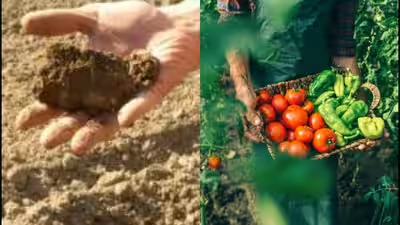
An Oregon farmer grew tomatoes, potatoes, squash, garlic and beans for 40 years without irrigation; careful soil preparation kept stored moisture in the root zone

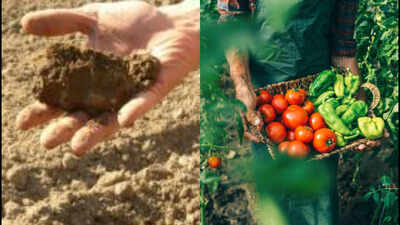
Someone has rightly said that ‘Necessity is the mother of invention’. Over decades, weather patterns became less predictable across the Pacific Northwest, and farmers contended with hotter temperatures, drought and shrinking snowmelt that strained water supplies. It was then that a different method, developed over four decades of experimentation by one Oregon farmer came to the rescue. Known as Dry Farming, it is a technique for growing crops without irrigation by carefully managing the moisture already in the soil. A study published by Oregon State University in 2014 states that for 40 years (1974-2014) a farmer grew organic tomatoes, potatoes, winter squash, garlic, favas and other beans without irrigation. He started dry farming in California but moved to a 9.6-acre site near Veneta, Oregon, in 2007. The property had no water rights, but he grew food for his family and sold crops to small grocery stores in Eugene.
The key is soil prep
According to the published report, the farmer’s experience undermines the notion that dry farming is merely turning off the water. The success of dry farming depends mainly on soil preparation, moisture conservation, planting timing, soil structure, and crop spacing. And the farmer worked the soil during the first good dry spell of spring, when it was moist enough to hold together when squeezed but dry enough to crumble. Timing is everything, and it doesn’t always follow a calendar, states the report. It is reported that he first cultivated the soil, then left it for two or three weeks and cultivated again. More preparation created a good seed bed that could hold moisture in the root zone. His soil was mostly Veneta loam, but deeper layers of clay helped retain water. He also used sheep, geese and legume cover crops to build soil fertility and improve soil structure.
Holding precious moisture below the soil
According to the report, water management was important once planting began. For direct-seeded crops, the farmer planted seeds in the soil and stepped on them to ensure good contact with the soil. The soil was kept loose for about 4 to 6 inches around the plant to help the roots develop and keep the moisture in below the surface. Heavy rain or watering from above could defeat this system by compacting the soil surface. When the surface dried later it could crack and accelerate moisture loss from the layers below. Wider plant spacing also meant less competition for limited water and nutrients. The farmer also selected spacings that worked with his tractor. This made the system easier to manage, and largely a one-person operation.
Selecting drought-tolerant crops
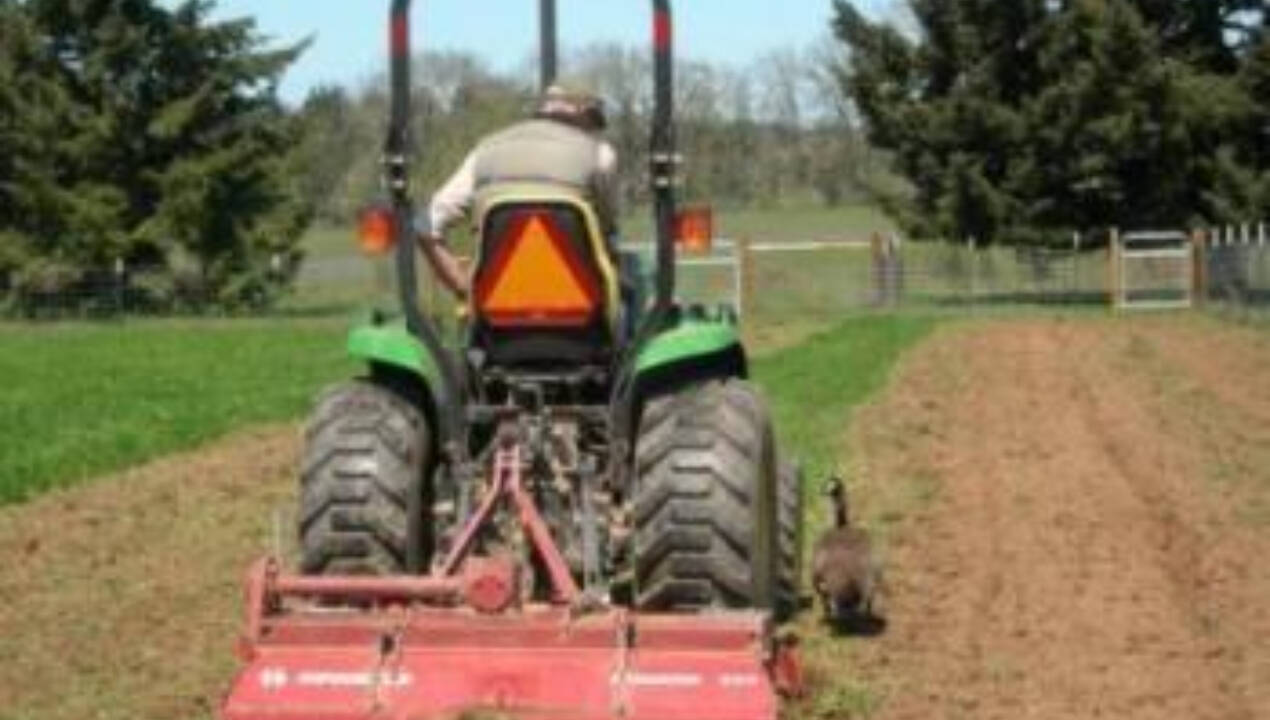
The experience of the Oregon farmer proves that irrigation is not always necessary for productive agriculture
Another important component back then was crop selection. Tomatoes, potatoes, winter squash, garlic and beans were doing well in his conditions. The farmer also saved seed from many crops. This allowed plants to become increasingly adapted to his land, over successive seasons. His tomatoes included a Big Beef that started out as a volunteer, and his Blue Hokkaido squash was the result of decades of development.
Could dry farming be more important?
Dryland farming might not succeed everywhere, states the report. The method may not be suitable for sandy or shallow soils with little water-holding capacity and some crops may not be suitable for it. But for growers facing water shortages, uncertain water rights or the high cost of installing irrigation, the technique could provide another tool to manage risk. The experience of the Oregon farmer proves that irrigation is not always necessary for productive agriculture. With proper soil preparation, the right crops and disciplined moisture management, stored water can potentially last plants throughout an entire growing season.Images Courtesy: istock and Oregon State University