
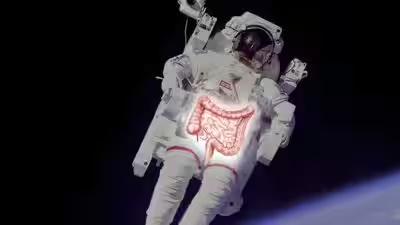
Scientists discover why astronauts struggle to poop in space, revealing how microgravity creates a hidden health risk |

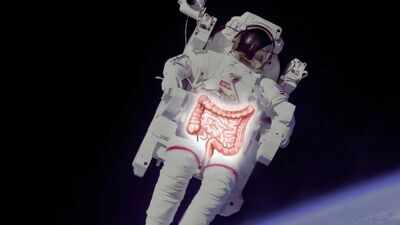
Astronauts can face an awkward but important problem in space when their digestive systems slow down, making it harder to pass stool normally. A new study published in Nature Communications has now found biological clues that help explain what may be happening inside the gut during spaceflight. Researchers analysed blood samples from astronauts who spent between two and nine months aboard the International Space Station, looking at changes in hundreds of small molecules produced by the body, food and gut microbes. The results point towards slower movement of intestines in microgravity. When material stays in the gut for longer, microbes appear to rely more heavily on protein rather than fibre and carbohydrates for energy. That shift produces compounds that could potentially be harmful, raising a wider health concern for future long-duration missions beyond low Earth orbit and Mars.
Why spaceflight makes it harder for astronauts to poop
Constipation is already recognised as a common problem among astronauts, but the biological reason behind it has been less clear. The new study examined how spaceflight changes the body’s metabolism and the activity of microbes living in the gut. The researchers analysed 488 blood samples collected from 52 astronauts before, during and after missions aboard the International Space Station. The astronauts had spent between 2-9 months in orbit. Their blood samples allowed the researchers to track changes in substances circulating through the body during spaceflight.According to the study, around 40 compounds changed during spaceflight. Many of these changes were connected to substances produced when gut bacteria break down proteins. The findings suggest that microgravity may slow the movement of material through the intestines. On Earth, gravity contributes to the normal movement of the body’s contents, but in space that gravitational pressure is absent. The researchers wrote that the lack of gravitational pressure on the intestines may prolong intestinal transit time. In simple terms, food and waste may take longer to travel through the digestive system.
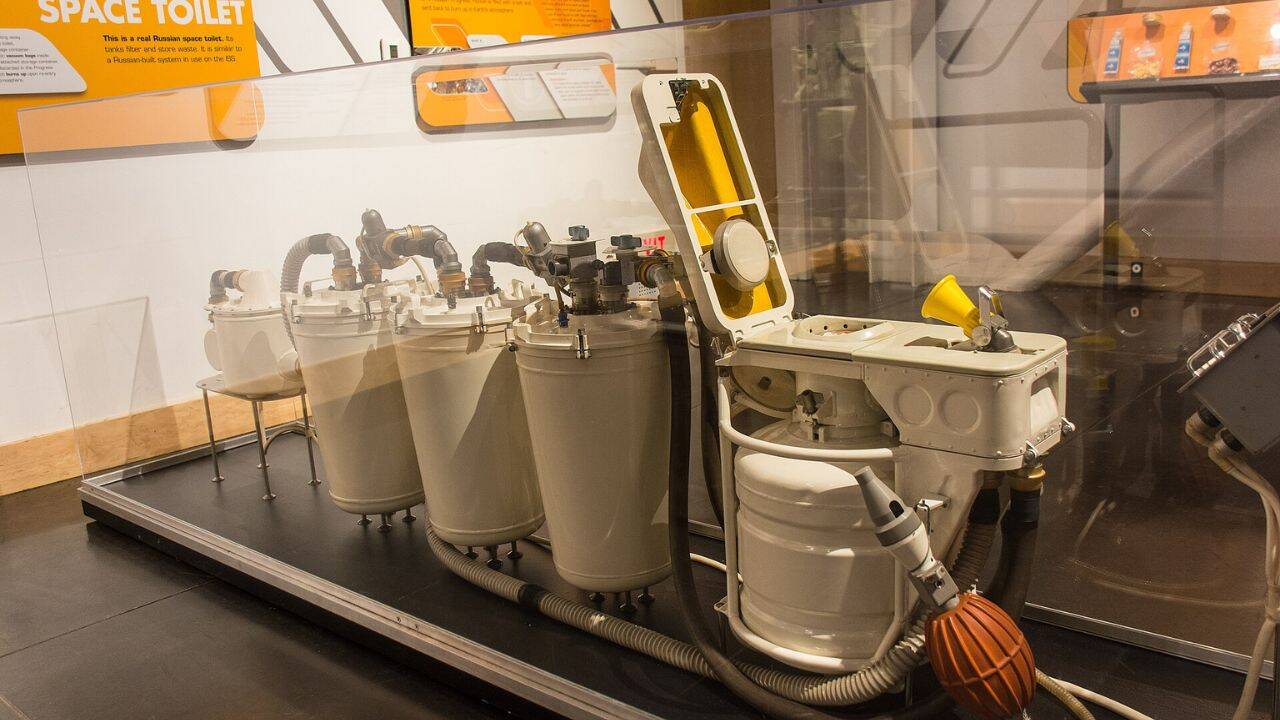
Space toilet. Image Credit: Don DeBold from San Jose/Wikipedia
Effects of food staying longer in the gut
A slower journey through the intestines appears to change what gut microbes eat. Normally, fibre and carbohydrates provide important sources of food for the bacteria living in the gut. But when intestinal contents remain there for longer, these substances can become depleted. The study found that gut microbes may then switch towards fermenting proteins and their building blocks, known as amino acids. This process is called protein fermentation, and it leaves behind several compounds that can enter the bloodstream.The researchers found increased levels of substances including p-cresol sulfate, phenylacetylglutamine and 4-ethylphenol sulfate during spaceflight. Other compounds linked with microbial protein breakdown, including 3-indoxyl sulfate and phenol sulfate, also increased. The pattern was important because these substances have previously been associated with slower intestinal transit in humans. Their rise in astronauts therefore provided another clue that material may be moving more slowly through the gut during spaceflight. The results do not simply point to astronauts having difficulty going to the toilet. They suggest that a change in the gut’s internal environment may also alter how its microbes behave.
Could constipation become a health risk in deep space
The findings raise a more serious question for missions that could last much longer than current trips to the International Space Station. Protein fermentation can produce potentially harmful substances, including ammonia and hydrogen sulfide. The study also points to research linking some of the compounds detected in astronauts with biological effects that could be concerning. For example, the researchers note that phenylacetylglutamine has been linked with cellular ageing and may play a role in problems involving mitochondria and DNA. Other compounds, including indoxyl sulfate and p-cresol sulfate, have been associated with health risks in people with impaired kidney function.The study does not establish that these compounds are causing disease in astronauts. Instead, the researchers say the findings indicate that increased protein fermentation could potentially be detrimental to health. That distinction matters. The astronauts in the study showed metabolic changes during flight, but the research cannot by itself prove that those changes will cause illness during a future Mars mission. Still, the possibility becomes more important as human missions move farther from Earth. A crew travelling to Mars would spend months in space, followed by time on the planet and eventually another long journey home. There would be no quick return to Earth if a serious digestive problem developed.
Timing of these gut changes
One particularly interesting finding was that the metabolic changes appeared relatively soon after launch. The study found that the spaceflight-related changes were already visible shortly after launch and generally subsided within a few days after landing. The researchers did not find evidence that the metabolic changes became stronger the longer astronauts remained in space. This suggests that the body’s response to entering and leaving space may be important, while the underlying effects on intestinal transit could still have broader consequences during a mission. The researchers also found that diet played a role in some metabolic changes. However, diet-related differences involving caffeine, fish and certain fats accounted for less than one third of the metabolites affected by spaceflight. That made microgravity and its effects on the digestive system a particularly important part of the explanation.
Changing astronauts’ diets could help protect the gut
The researchers believe diet could offer one possible way to reduce the problem. Because the findings suggest that gut microbes turn towards protein fermentation when fibre and carbohydrates become depleted, increasing the intake of slowly fermented carbohydrates could potentially provide a different source of fuel for the gut microbiome. The study specifically suggests that increasing slow-fermented carbohydrates in the International Space Station diet might improve gastrointestinal health during future long-term human spaceflight. That could make food an important part of protecting astronauts, rather than simply providing enough calories and nutrients to keep them alive and active.The study ultimately adds a new layer to understanding how space affects the human body. Constipation may seem like a minor inconvenience compared with radiation, muscle loss or other dangers of spaceflight. But the research suggests that a slower-moving gut could also change the behaviour of the microbes living inside it, producing substances that may matter for long-term health. For astronauts preparing for missions to the Moon, Mars and beyond, keeping the digestive system moving may therefore be more important than it first appears.
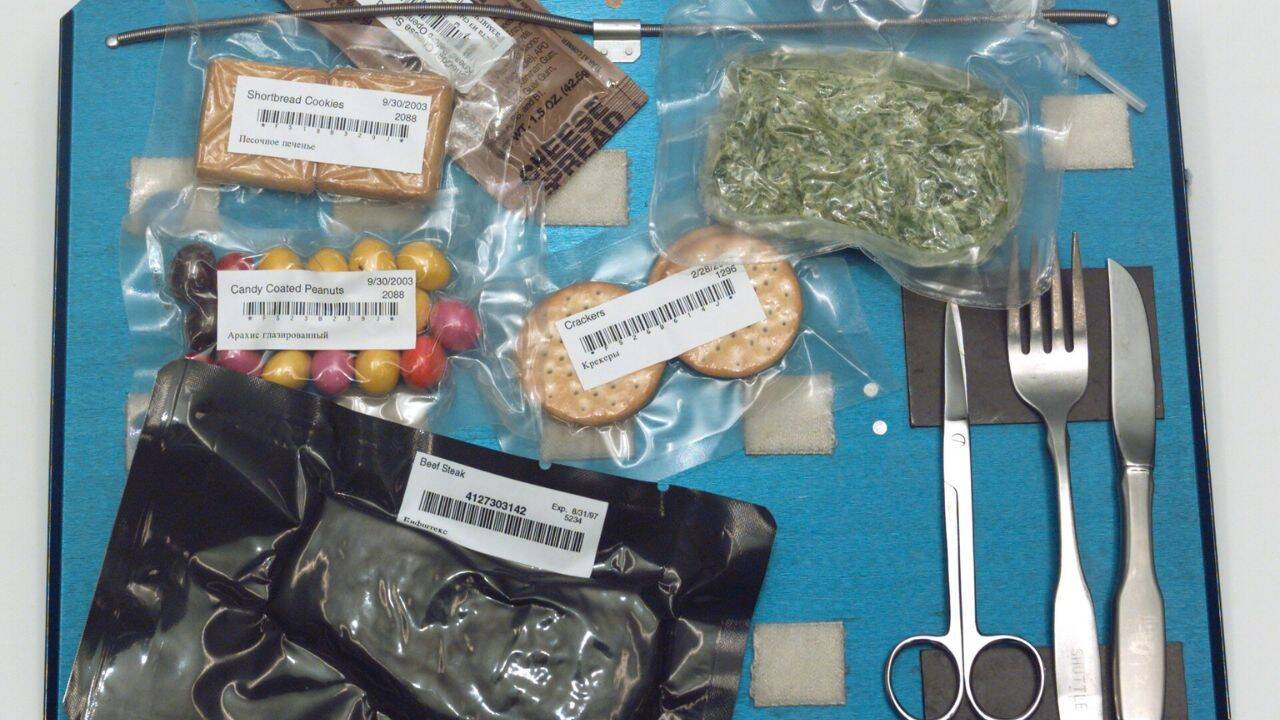
An example of food eaten on the International Space Station. Image Credit: Nasa