Sri Lankan cricket legend Kumar Sangakkara spent years restoring a historic villa built more than 100 years ago, blending old-world architecture with modern design; the heritage property is now ready for a new chapter

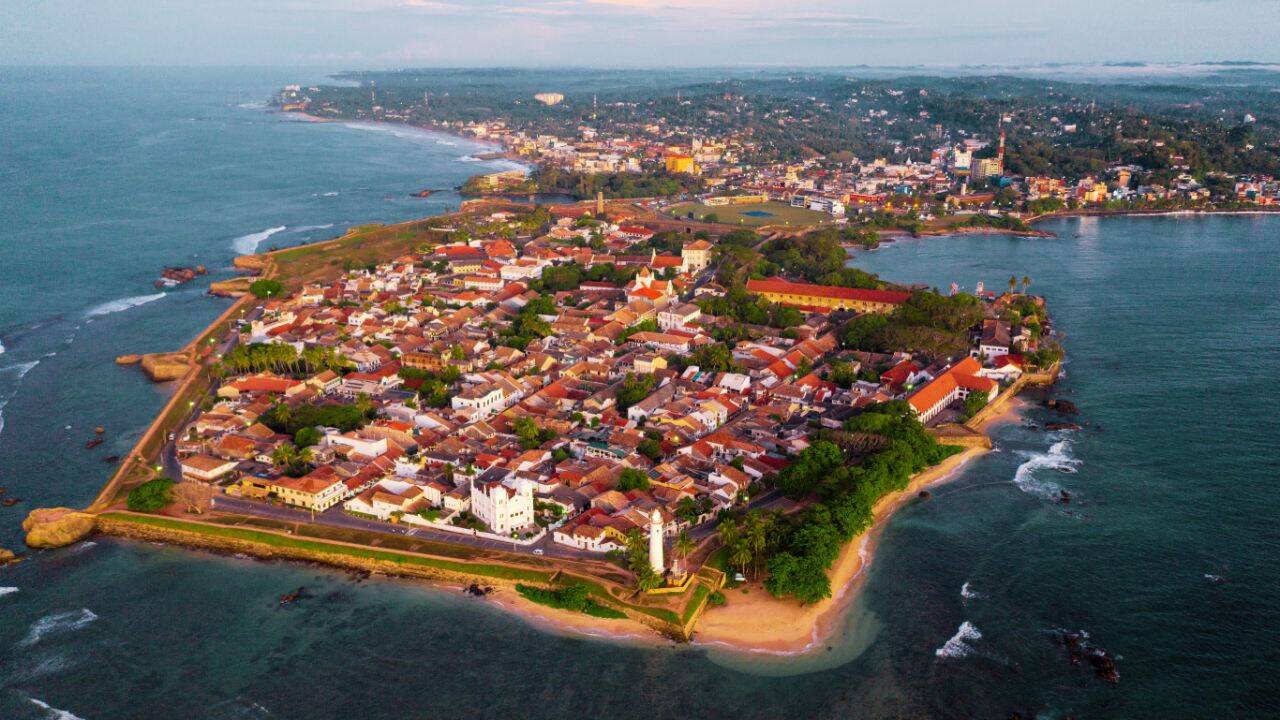
Kumar Sangakkara is a name that needs no introduction. Everyone who follows cricket or even who doesn’t, knows the Sri Lankan cricket legend. But what people don’t know is that back in 2008, Kumar Sangakkara along with his wife Yehali bought a house inside Galle Fort, also known as the Dutch Fort or the “Ramparts of Galle”. The couple were already in love with its scenic coastal location, but were not aware of what was inside the fort. When they bought the 120-year old villa, their first look came with an unpleasant surprise because it was in such poor condition.But 20 years later, the property has emerged as an unusual meeting point of Sri Lanka’s history and modern design. It’s a restoration that recently took the world by surprise after featuring by ABC Australia’s Culture by Design.However, for travellers the story is about more than a famous cricketer’s beautiful home. It offers a glimpse into why Galle Fort is among Sri Lanka’s most fascinating heritage destinations. Why restoring a historic building is very different from simply renovating an old house.Let’s find out more about the iconic propertyA home inside one of Asia’s great fortified citiesGalle Fort is set on Sri Lanka’s southwestern coast. It has also been a UNESCO World Heritage site since 1988. UNESCO describes the Old Town of Galle and its fortifications as an outstanding example of a European-built fortified city in South and Southeast Asia.
Sri Lanka (Canva)
The story of the fort goes back to the 16th century. It was the time the Portuguese established the fortified settlement, and under Dutch rule in the 17th and 18th centuries, the fort developed into the remarkable place that visitors see today. Later British influence added another layer to the region.This incredible mix is exactly what makes walking through Galle Fort so atmospheric. Narrow streets, verandas, courtyards, old houses, churches, warehouses and massive ramparts sit alongside cafés, galleries, shops and homes.Sri Lanka Tourism describes Galle Fort as a historical, archaeological and architectural monument with 14 major bastions, while UNESCO highlights its distinctive street grid, courtyards, verandas and even a 17th-century underground drainage system that remains in use.Sangakkara’s dream
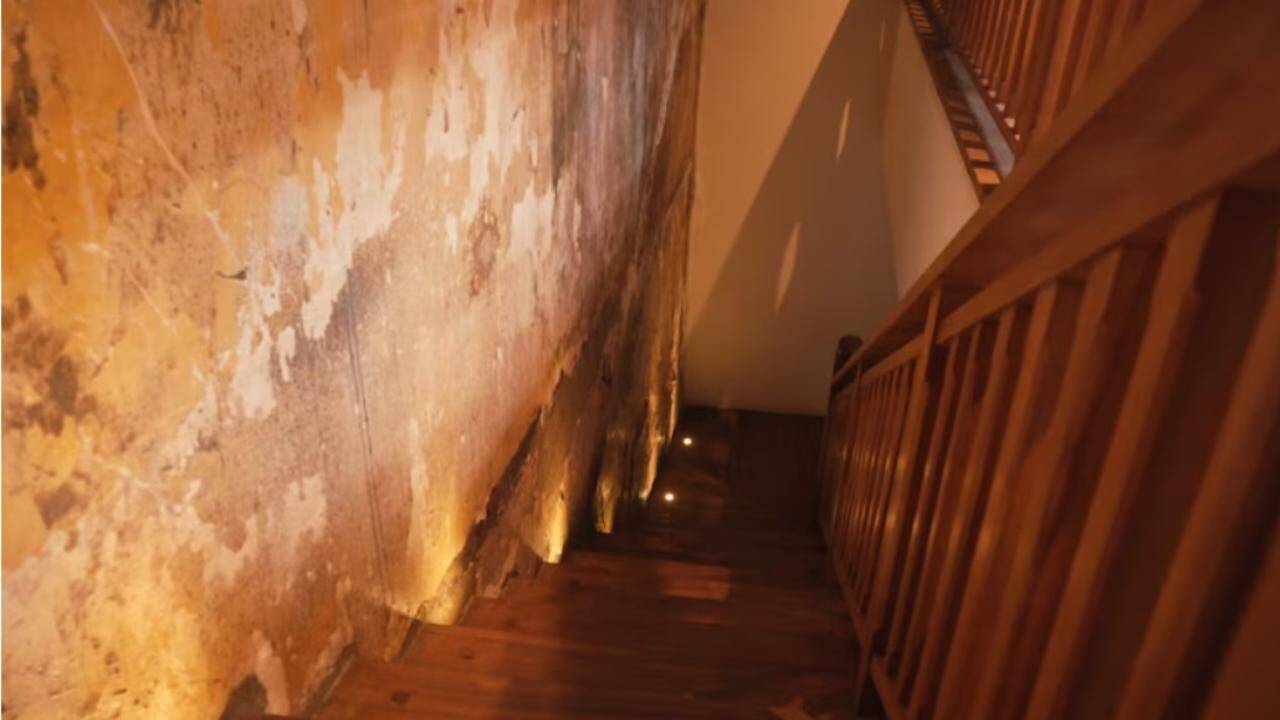
Patina on the walls (PC: ABC Australia)
For Sangakkara and Yehali, the main challenge was to retain the fort’s old look without stripping off its identity. They called in architects Jeevan D’Souza and Murad Ismail and interior designer Annika Fernando to make their dream into reality. Rather than treating the historic fabric as something that needed to be hidden behind freshly finished surfaces, the team chose to make much of it part of the design.Some of the villa’s old coral construction was deliberately left exposed including weathered walls and layers of patina. Talking to ABC, Fernando said that the contrast between aged surfaces and clean new finishes eventually became an important part of the home’s character.A unique design challenge
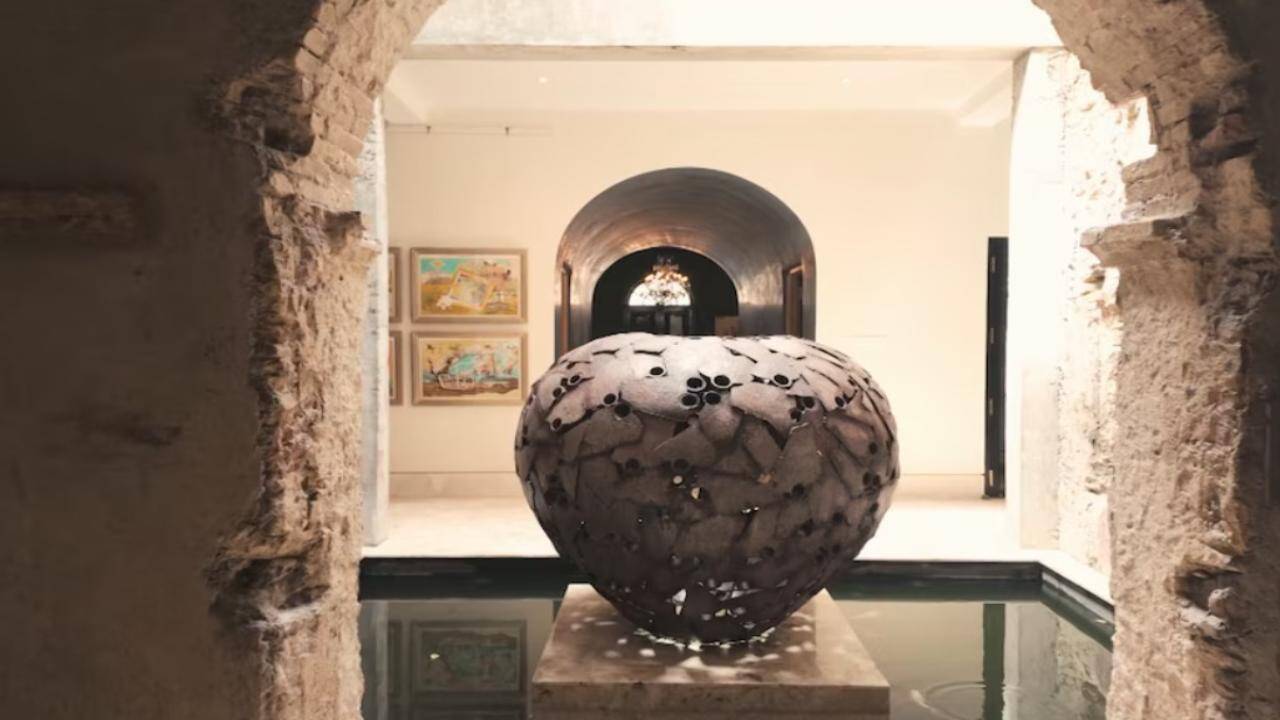
Sculpture by Prageeth Manohansa at The Sangakkaras’ villa (PC: ABC Australia)
One of the most memorable details from the restoration involves a huge sculpture by Sri Lankan artist Prageeth Manohansa.The sculpture was intended to become a centrepiece of the home, but there was a problem: it was too big to pass through any of the doors. But the problem’s solution was wonderfully unconventional. The artwork was brought into the house before the restoration began, and the building was then renovated around it.It is a small detail, but it captures the philosophy behind the project. Instead of forcing the historic house to conform completely to modern requirements, the designers repeatedly worked around what was already there.From damaged villa to modern family home
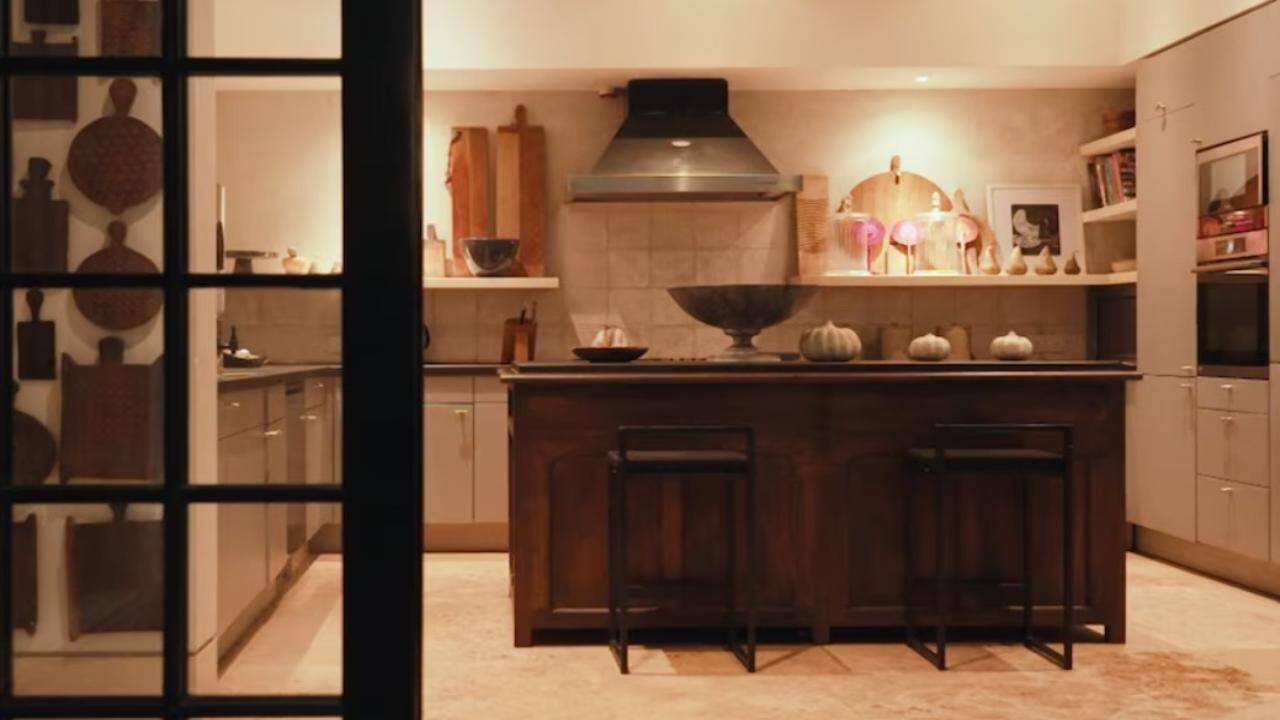
The kitchen (ABC Australia)
Today, it’s a four-bedroom residence with three courtyard gardens and a rooftop swimming pool overlooking the historic surroundings, including views towards Galle Lighthouse. Rooms combine contemporary interiors with artworks, antiques and surviving elements of the original building.Sangakkara described the house as a reflection of how new residents coexist with an old community. That idea matters in Galle Fort, which is not merely an archaeological site but a living historic urban area. UNESCO’s current conservation guidance specifically encourages restoration and adaptive reuse while stressing the importance of retaining historically authentic building fabric.Galle Fort, a must-visit attraction in Sri Lanka
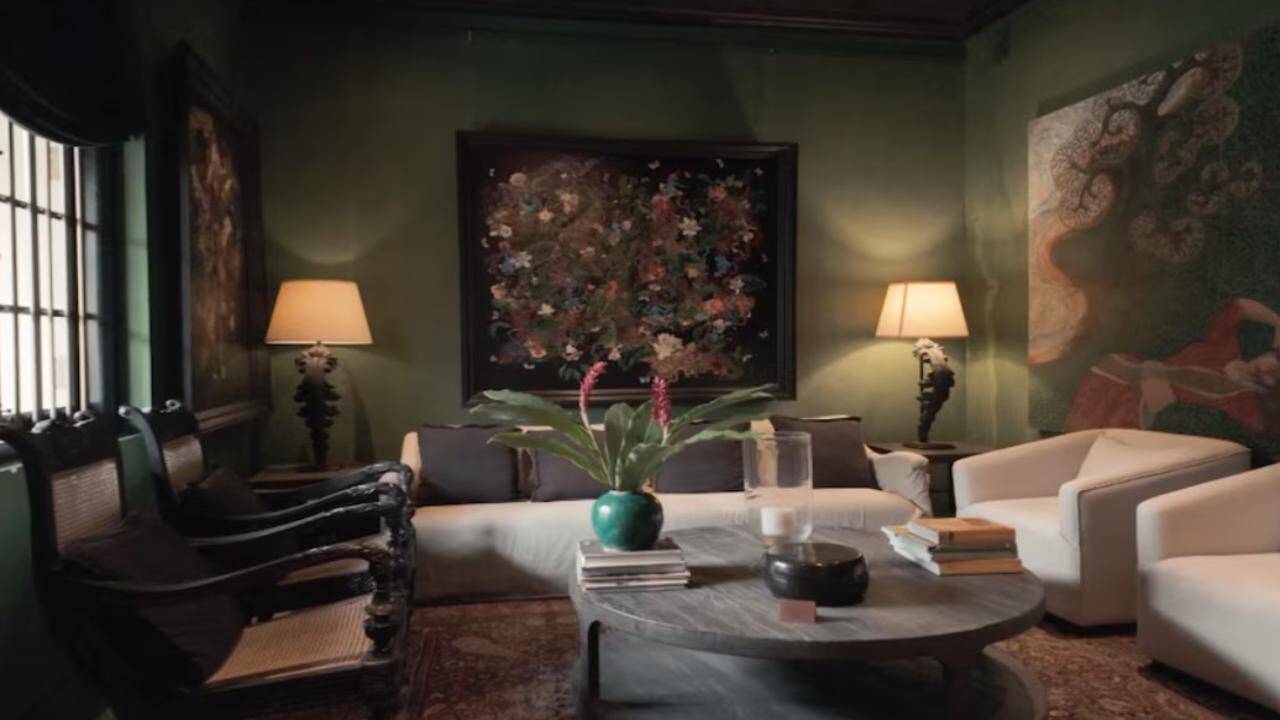
A room in the villa (PC: ABC Australia)
For travellers, Sangakkara’s villa is a reminder to look beyond the postcard views of Galle Fort.Walk along the ramparts around sunset, explore the narrow lanes, notice the old verandas and courtyards, visit the historic churches and museums, and look closely at how different architectural traditions overlap.It is the country’s one of the most distinctive attractions, while UNESCO’s World Heritage designation rests on precisely this unusual interaction between European architecture and South Asian traditions.Sangakkara’s restoration adds another chapter to that story. His villa demonstrates that conservation does not necessarily mean turning a historic building into a relic. Sometimes, the best way to preserve a building is to give it another life—carefully, respectfully and without hiding the marks of time.
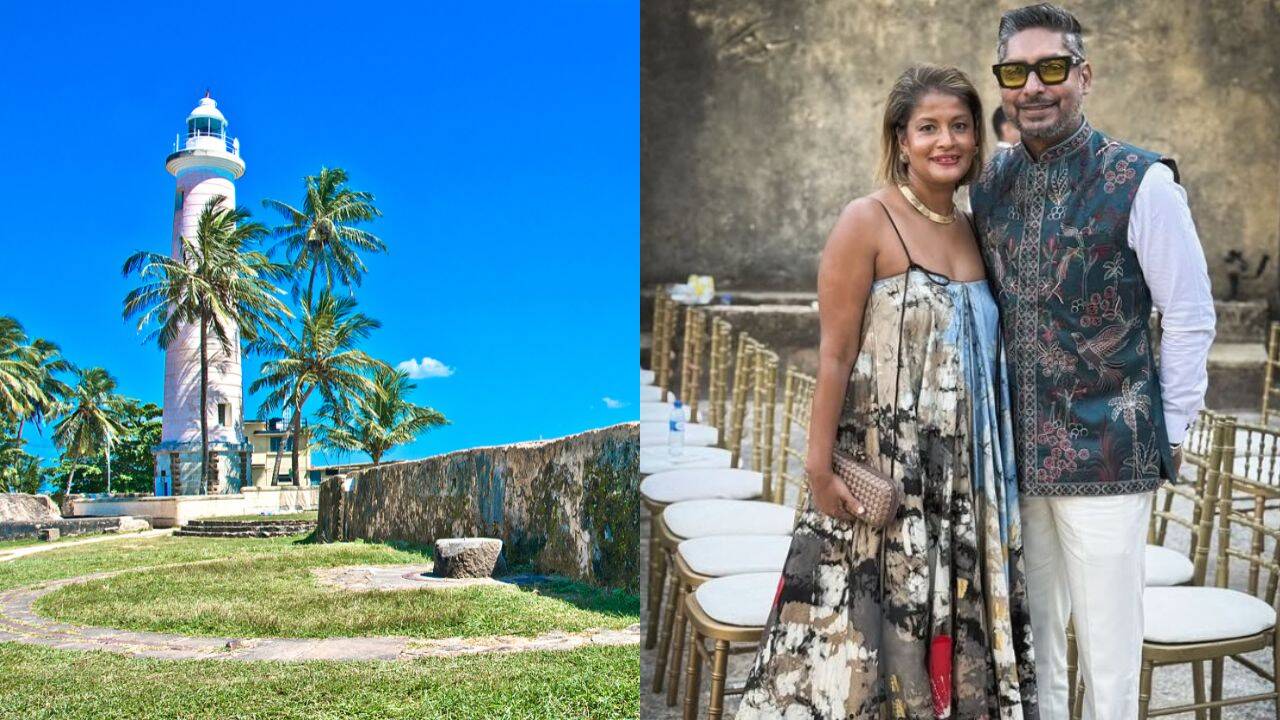
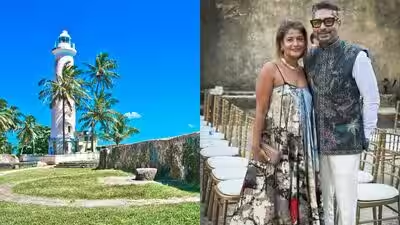
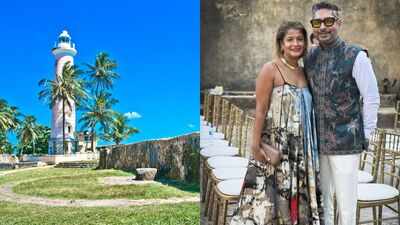
Kumar Sangakkara along with his wife Yehali (canva/Instagram)
Inside this particular Galle Fort house, the old still live, the courtyards have been revived and modern life has moved in but the old is gold character can still be felt. The cricket legend may have traded the stadium for a heritage villa, but his most interesting Galle project is ultimately a lesson in travel itself.Sources: ABC Australia’s Culture by Design; UNESCO World Heritage Centre; Sri Lanka Tourism; UNESCO state-of-conservation and heritage documentation.