
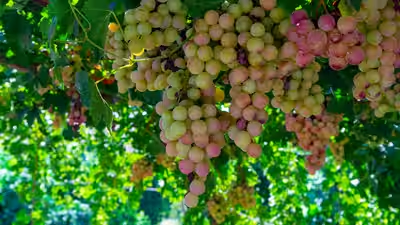
A grape variety from Cyprus is helping Australian vineyards survive extreme heat; growers using Xynisteri have cut water consumption by 75%, while the vines have survived temperatures above 45°C

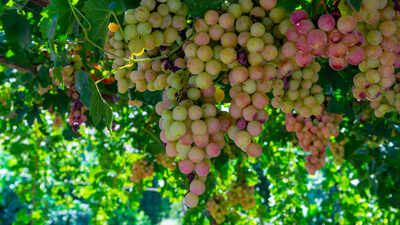
When temperatures climb above 45 degrees Celsius and water is one of the most expensive inputs on a farm, survival may depend on looking backward. According to ABC News Information and Services, in South Australia’s Riverland, growers are looking to a grape with thousands of years of history in the Mediterranean for a possible answer to Australia’s hotter, drier future. Xynisteri, a venerable white grape of Cyprus, is proving remarkably resilient in conditions which are putting increasing stress on conventional wine grapes. Some growers using the variety have cut water consumption by as much as 75 per cent, with the vines continuing to withstand extreme heat. For Riverland grower Yianni Koutouzis the experiment is both a practical response to a changing climate, and a personal connection to his family’s Mediterranean heritage.
The grape that needs very little water
According to the news report, Koutouzis, located in South Australia’s Riverland, surrounded by vineyards, and has around 800 Xynisteri vines. This crop was planted three years ago and is gearing up for its first harvest. His other grapes are a stark contrast. His normal crops need to be watered every couple of days but the Xynisteri vines can survive for months without a drop. The drought tolerance is especially important in an area that has experienced three years of below-average rainfall and record-breaking heatwave events. It is also reported that the variety’s thick skin and natural resistance to heat, pests and dry conditions make it well suited to the increasingly challenging environment facing Australian grape growers. Growing Xynisteri is also a return to the Mediterranean roots of Koutouzis, who has a farming family with more than five decades of experience. He is of Greek descent from the Peloponnese, where his grandparents used to make wine. He’s making wine from an ancient Mediterranean grape in the Australian landscape, which has given him a way to reconnect with that history, and explore what farming might look like in the future.
An ancient grape for a changing climate
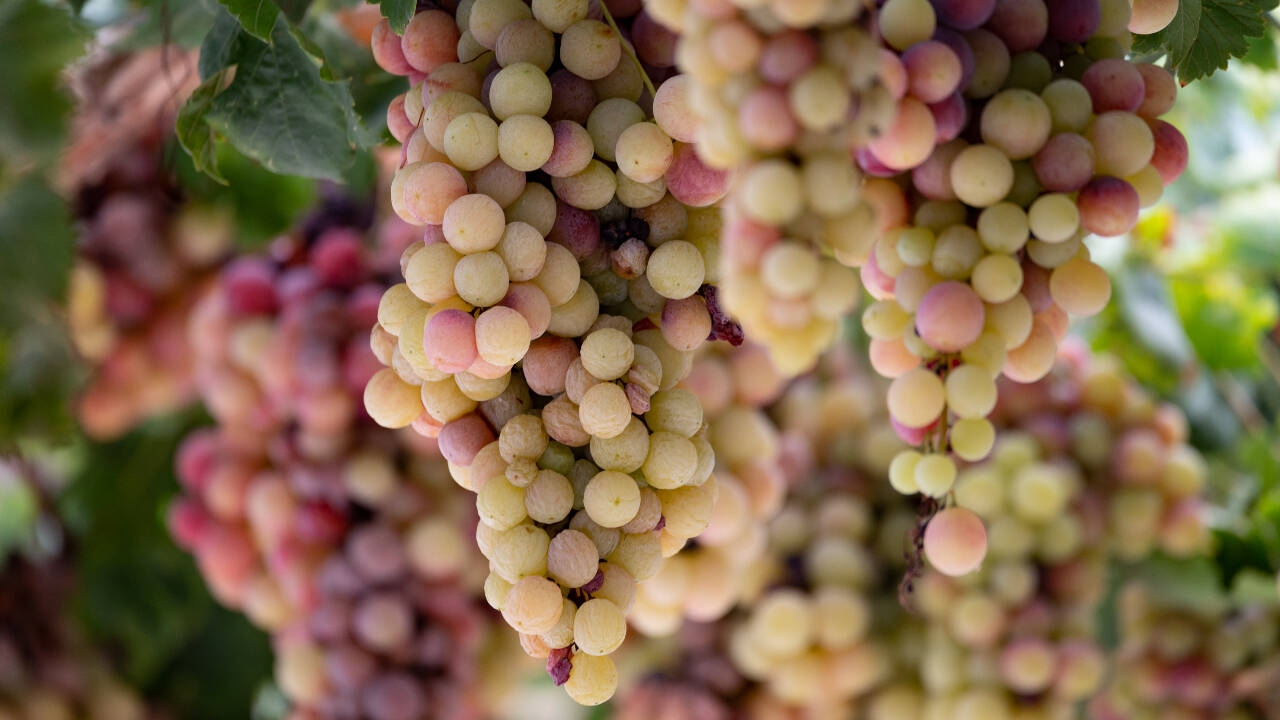
The limestone in the soils of the Riverland has much in common with the terrain of Cyprus and other parts of the eastern Mediterranean
Xynisteri has been grown in Cyprus for more than 5,500 years. If we go by reports, the variety was introduced to Australia by researcher Dr Alexander Copper in 2018, after years working overseas in wine production and researching grape varieties from the eastern Mediterranean that could perform in Australia’s warming climate. Xynisteri was quickly a promising candidate. Early trials in McLaren Vale, South Australia, were unsuccessful as the climate was too cool. But in the Riverland, when the vines were planted, they found conditions more like those of their Mediterranean origins. The region had a particularly suitable combination of heat and soil. The limestone in the soils of the Riverland has much in common with the terrain of Cyprus and other parts of the eastern Mediterranean. Also, that the compatibility could become increasingly important as Australian wine regions come to terms with conditions for which many traditional varieties were never bred.
Australia’s wine sector is getting hit by a double whammy
Xynisteri is not only fascinating for its heat resistance. Water security and profitability are now linked challenges for growers. If we go by the ABC news report, parts of South Australia are expected to experience temperatures during future growing seasons almost two degrees Celsius higher by 2070. Dr Peter Hayman is a principal scientist in climate applications at the South Australian R&D Institute, and has spent decades studying the impact of climate change on agriculture. Higher temperatures can accelerate grape development and increase water needs, adding to the stress on growers already grappling with uncertain supplies The problem is particularly acute in perennial horticulture (e.g. grapevines). Established vineyards need water each year, unlike annual crops that farmers can cut back or not plant at all in dry spells, which means reliable water supplies are critical – and more expensive.
Water prices put more pressure on
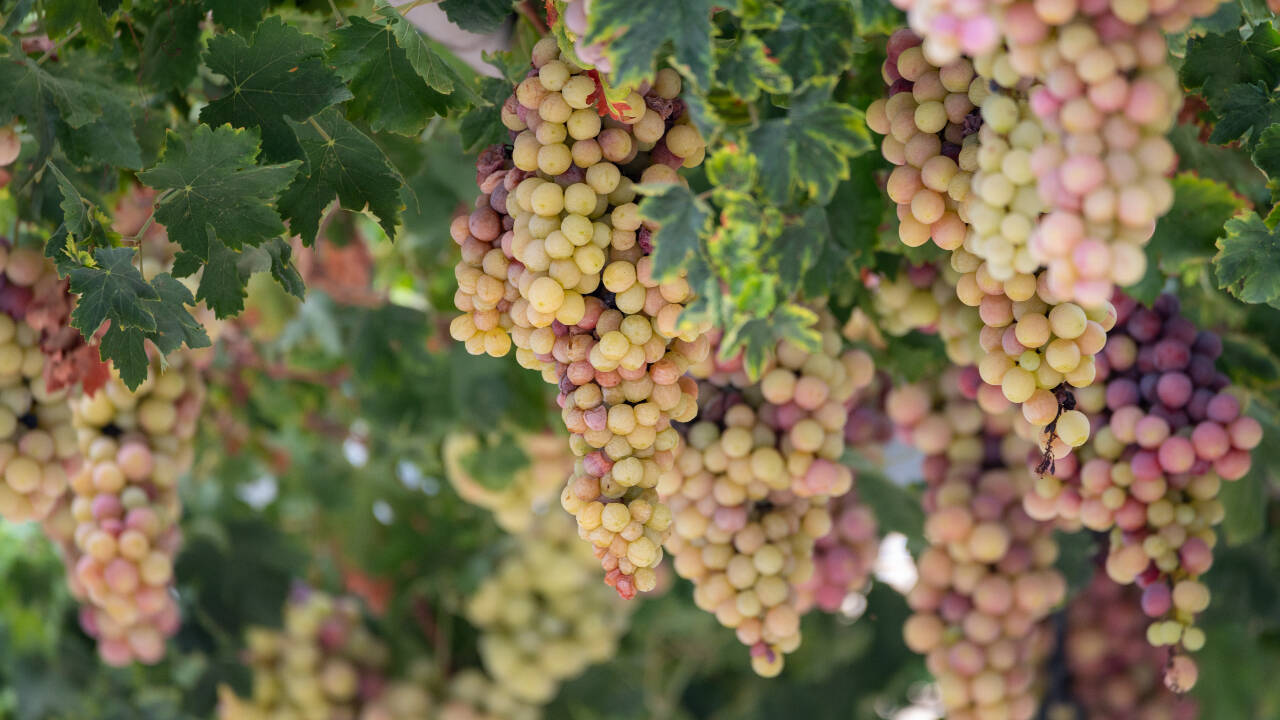
The report also mentions that some Riverland growers have been paid less than $100 a ton for their grapes, making it difficult to justify continuing with water- and labor-intensive varieties.
Water security has become one of the biggest issues in the industry. Temporary water market prices in the Lower Murray Darling Basin have more than doubled over the past 12 months, according to water consultancy Riccardo Group. Prices have soared from about $187 a megaliter to about $400 a megaliter. It can make a fundamental difference to the economics of a vineyard for growers operating on thin margins. Alongside the water crisis, there’s another problem emerging: too much wine. Production outstripped sales during 2024-25, Wine Australia said. The imbalance has resulted in historically low grape prices at the grower level. The report also mentions that some Riverland growers have been paid less than $100 a ton for their grapes, making it difficult to justify continuing with water- and labor-intensive varieties. Koutouzis has himself felt that pressure. He had ripped out shiraz vines recently as the crop was not economically viable. In that context, a variety that can produce grapes while consuming significantly less water offers more than environmental benefits. This may give growers an alternative to staying financially viable.
New white wine for the Barossa
Xynisteri is not the only South Australian region dabbling with the grape. In the Barossa Valley, a region traditionally synonymous with premium red wines, vignerons Paul and Mara Georgiadis have planted the variety as part of their response to changing climate conditions and consumer tastes. In 2021, the couple planted some 90 Xynisteri vines. The trial has since grown to include more than 600 vines on about an acre. Barossa producers have now bottled more than 450 bottles of their Xynisteri, the first time the variety has been bottled commercially. And producers believe the Barossa could slowly alter its grape variety mix as climate and consumer tastes shift.
Beyond the traditional French varieties
Much of Australia’s wine industry has traditionally depended on grape varieties of European origin, especially French varieties like shiraz, cabernet sauvignon, chardonnay, sauvignon blanc and pinot gris. These grapes have done well in all of Australia’s wine regions, but climate change is making growers question whether the varieties that were best suited to the past will remain the best choice for the future. Cyprus and other parts of the eastern Mediterranean are no strangers to hot, dry conditions. Their native grapes have evolved under ecological stresses that are becoming increasingly familiar to Australian growers. That doesn’t mean that Xynisteri is going to be a universal solution. There are different soils, temperatures, rainfall patterns and market conditions in different regions. But its performance in the Riverland and Barossa shows diversification could help the wine industry adapt.
Hope in a tough industry
The arrival of a drought-tolerant variety comes at a difficult time for Australian wine growers. Now, water prices are rising, grape prices are still under pressure and climate projections indicate more difficult growing conditions. But there are reasons for optimism in experimentation, say researchers and growers. The federal government’s Future Drought Fund is expected to reach $5 billion by 2028-29, which will help fund efforts to boost Australia’s resilience to drought. For climate scientists, that adaptation is expanding the number of crops and grape varieties available to farmers.Images Courtesy: istock